Ethiopian Easter (Fasika)
ፋሲካ (ትንሳኤ)
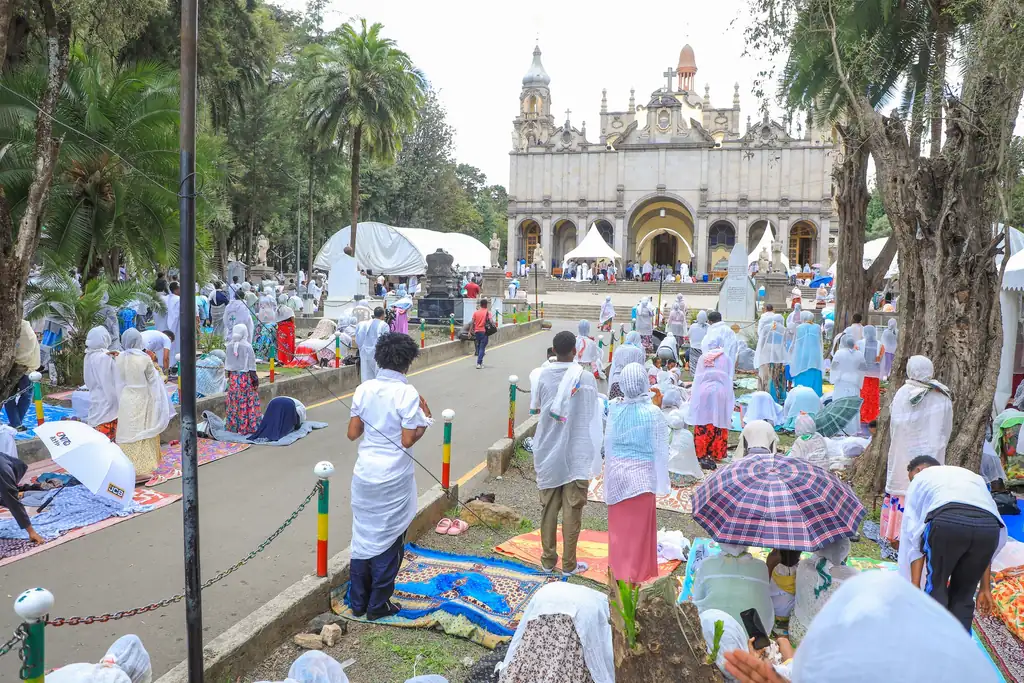
Fasika, the Ethiopian Orthodox Easter, is the most important holiday in the liturgical calendar, celebrating the resurrection of Jesus Christ.
Dates by year
All holidays| Year | Ethiopian date | Gregorian date |
|---|---|---|
| 2018 | Miazia 4 | Sun, April 12, 2026 |
| 2019 | Miazia 24 | Sun, May 2, 2027 |
| The upcoming Fasika is on Sunday, May 2, 2027, in 170 days. | ||
| 2020 | Miazia 8 | Sun, April 16, 2028 |
| 2021 | Megabit 30 | Sun, April 8, 2029 |
| 2022 | Miazia 20 | Sun, April 28, 2030 |
| 2023 | Miazia 5 | Sun, April 13, 2031 |
| 2024 | Miazia 24 | Sun, May 2, 2032 |
| 2025 | Miazia 16 | Sun, April 24, 2033 |
| 2026 | Miazia 1 | Sun, April 9, 2034 |
History
Fasika, the Ethiopian Orthodox Easter, is the most important holiday in the liturgical calendar, celebrating the resurrection of Jesus Christ. Because the Ethiopian Orthodox Church follows the Julian calendar, Fasika typically falls later than Easter celebrated by Western churches. It is the joyous culmination of the seven-week Great Lent (Abiy Tsom).
Tensae (Resurrection): Tensae, meaning Resurrection, is closely tied to Fasika and refers specifically to the moment of Jesus Christ's rising from the dead, which is the core theological event celebrated at Easter. While often used interchangeably with Fasika, Tensae highlights the spiritual triumph over death. It marks the shift from the somber fasting period to immense religious joy.
How it is celebrated
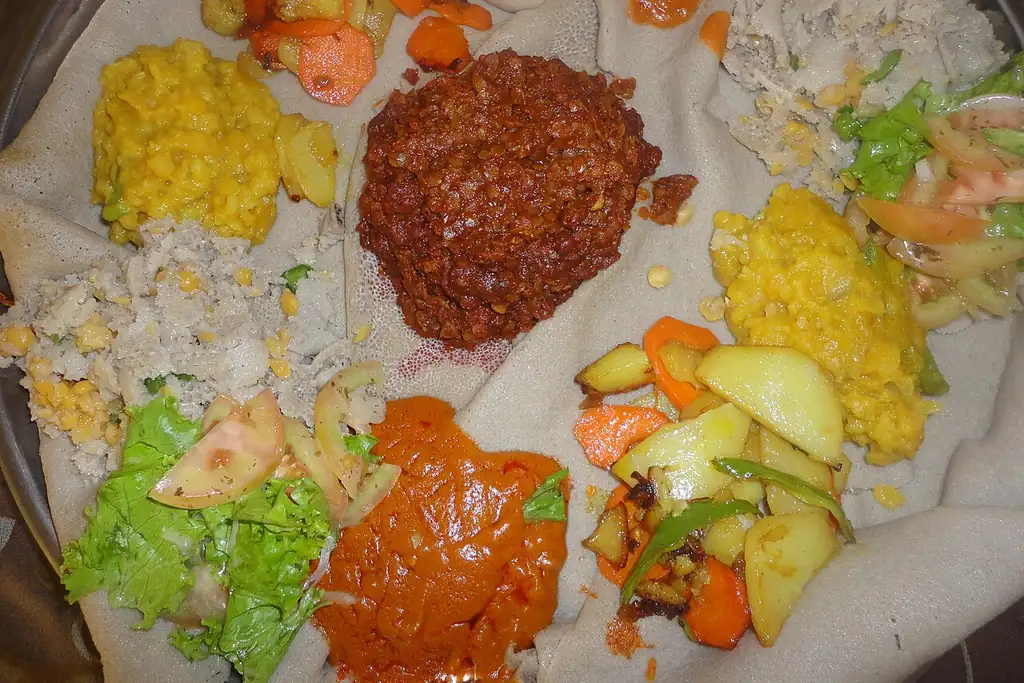
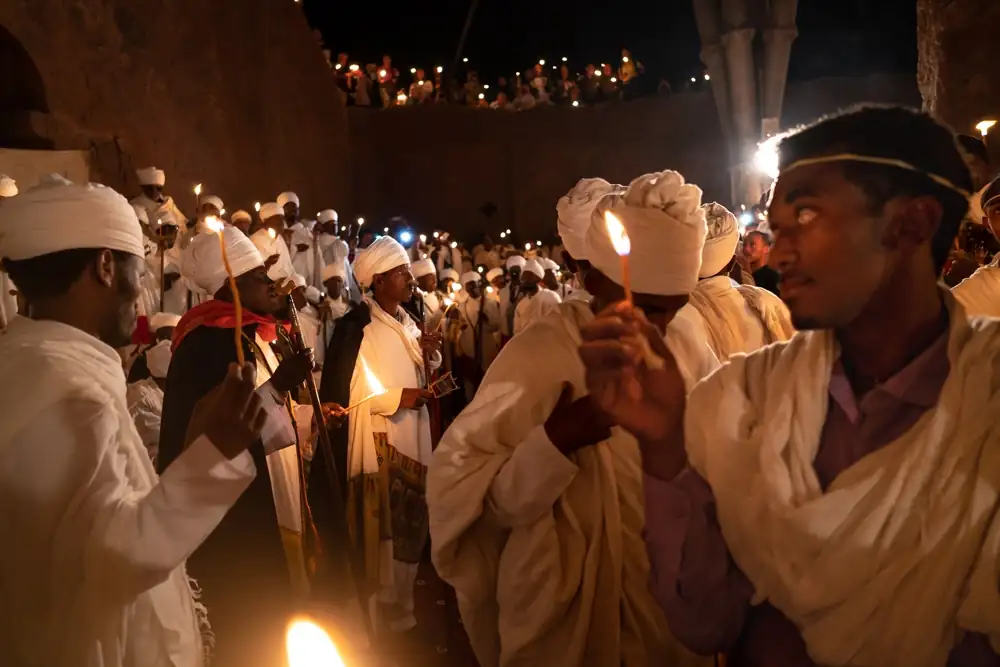
The celebration begins after an all-night vigil that ends around 3:00 am on Easter Sunday. Following the church service, the people break their long fast with a massive feast, typically featuring meat dishes like Doro Wot (chicken stew) and Kitfo (raw or lightly cooked ground beef). Unlike Western traditions, there are no Easter bunnies, but the day is filled with festive singing, dancing, and family gatherings.
Tensae (Resurrection): The liturgy of the Resurrection is characterized by jubilant chanting, processions, and the use of the sistrum (a percussion instrument) by the priests, symbolizing the angels singing. The significance of Tensae is reflected in the traditional greetings exchanged among the faithful, emphasizing the divine victory and the promise of eternal life.
Frequently asked questions
Fasika is a movable feast calculated with Bahre Hasab. The next one is May 2, 2027 (Miazia 24, 2019 E.C.).