
History & civilization
Ethiopian history can be told as the unbroken story of an ancient Christian highland kingdom, as the story of many peoples with their own states and traditions, or as a regional story shaped by Islam, trade and the Red Sea. Each version captures something real. This chapter walks through the whole sweep, from the first humans to today, and points out where historians disagree.
How to read this chapter
History matters here in a very living way. People argue about the 19th century, about the 1970s, about last year, and what they remember often depends on where their family comes from. We try to tell the main story plainly, include achievements and mistakes alike, and mark the places where credible observers differ. Where numbers are disputed, such as the death tolls of famines and wars, we say so rather than pretend to certainty.
Origins: humanity and early societies
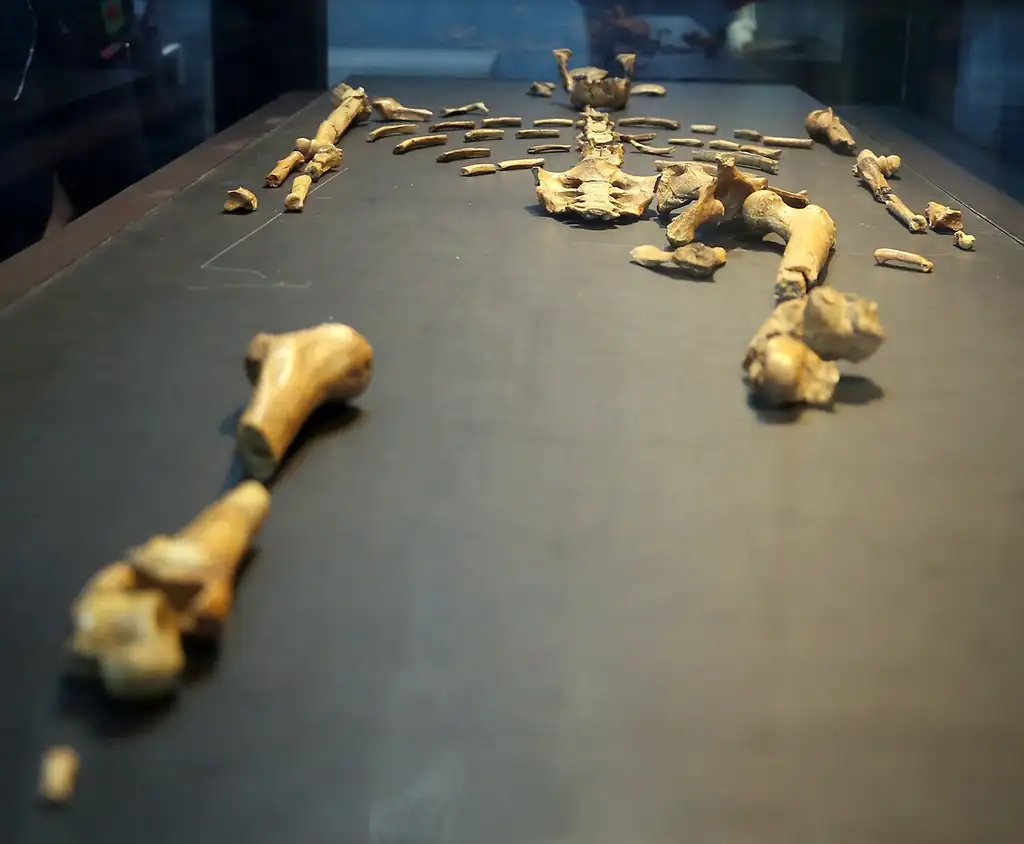
Few places on Earth tell the story of early humans as well as Ethiopia. In the Afar and Omo regions, scientists have found some of the most important fossils ever discovered. Lucy (Australopithecus afarensis, locally called Dinknesh), found at Hadar in 1974, lived about 3.2 million years ago. Ardi (Ardipithecus ramidus) is about 4.4 million years old. Selam, a child from Dikika, is about 3.3 million years old. And the Omo Kibish remains, re-dated in 2022 to more than 230,000 years, are among the oldest known fossils attributed to Homo sapiens.
The highlands were also one of the world’s great centres of crop domestication. Teff, enset (the “false banana”), noog (niger seed), coffee and finger millet all come from here, and farmers have ploughed with oxen for thousands of years. Four language families meet in the region (Semitic, Cushitic, Omotic and Nilo-Saharan), which is itself evidence of how long its peoples have lived alongside one another.
Ancient and early medieval states
The first organised kingdom we can see clearly is D’mt, in what is now Tigray and Eritrea, from around 980 to 400 BCE. It shows South Arabian cultural influence, although historians debate how much came from migration and how much was local development. Its temple at Yeha still stands.
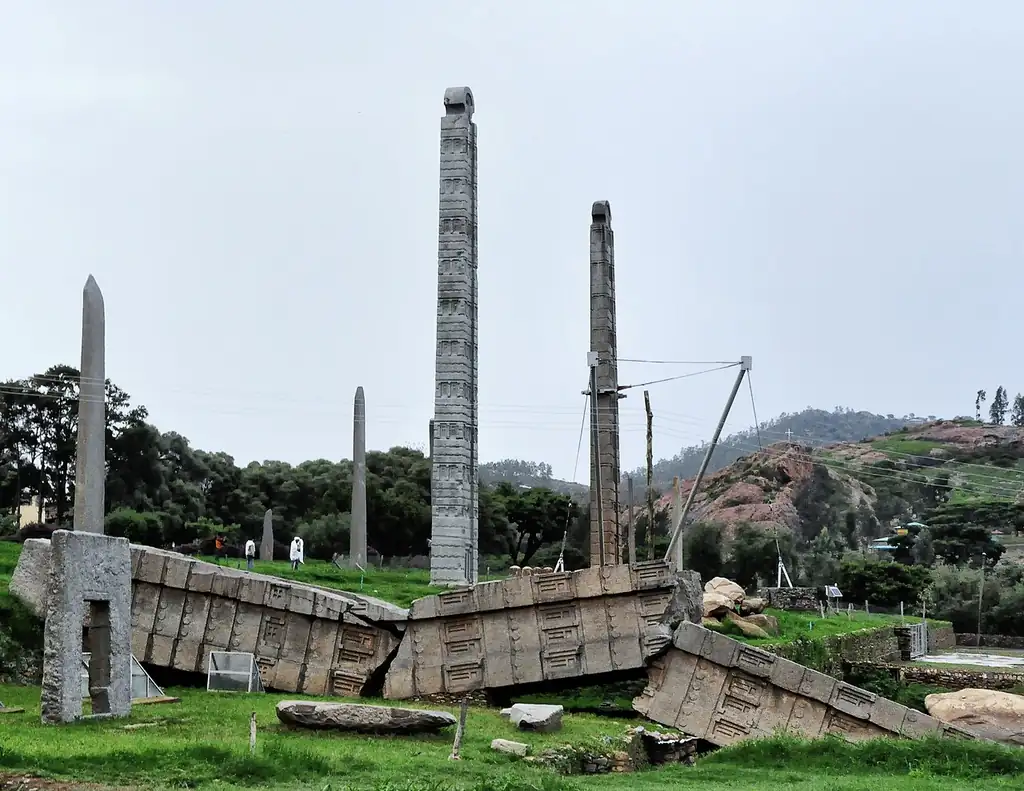
Then came Aksum, from about 100 to 940 CE, a trading empire that linked Rome and Byzantium, Egypt, Arabia and India. It had its own coinage, its own port at Adulis, and monumental stelae carved from single blocks of stone. The Persian prophet Mani, in the 3rd century, listed it among the four great powers of the world. In the 330s, King Ezana adopted Christianity after the teaching of the missionary Frumentius, making Aksum one of the first Christian states anywhere.
In 615 CE, early followers of the Prophet Muhammad fled persecution in Mecca and were sheltered at the Aksumite court by the ruler remembered as Ashama ibn Abjar, the Negus (al-Najashi in Arabic). This is the “first Hijra”, and the mosque at Negash in Tigray preserves its memory.
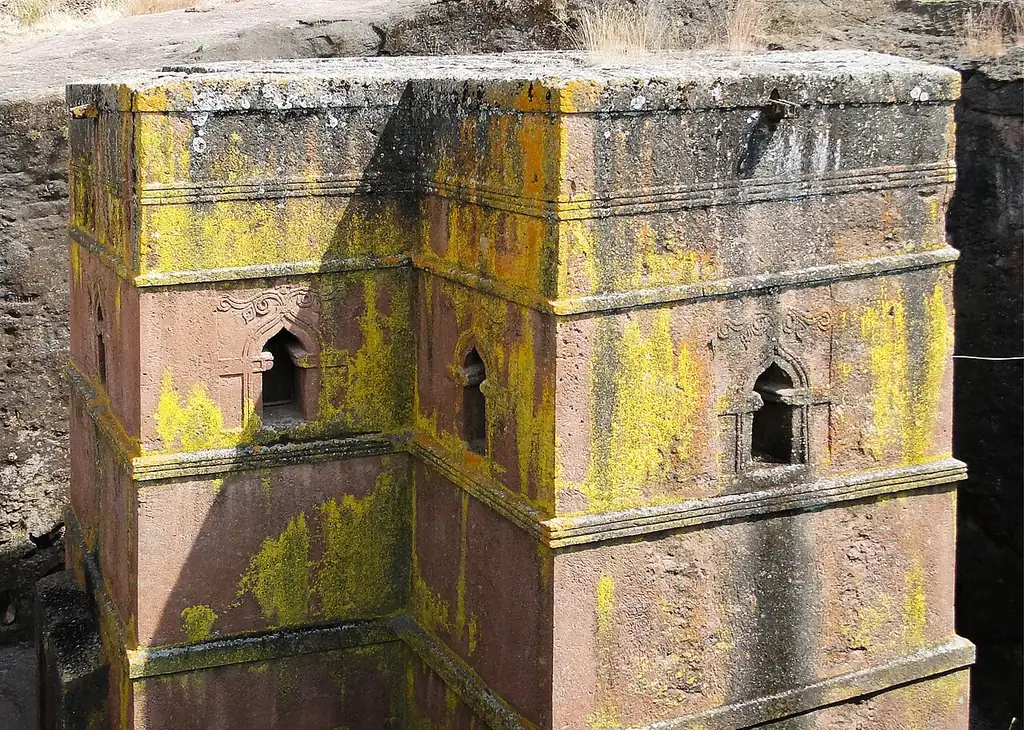
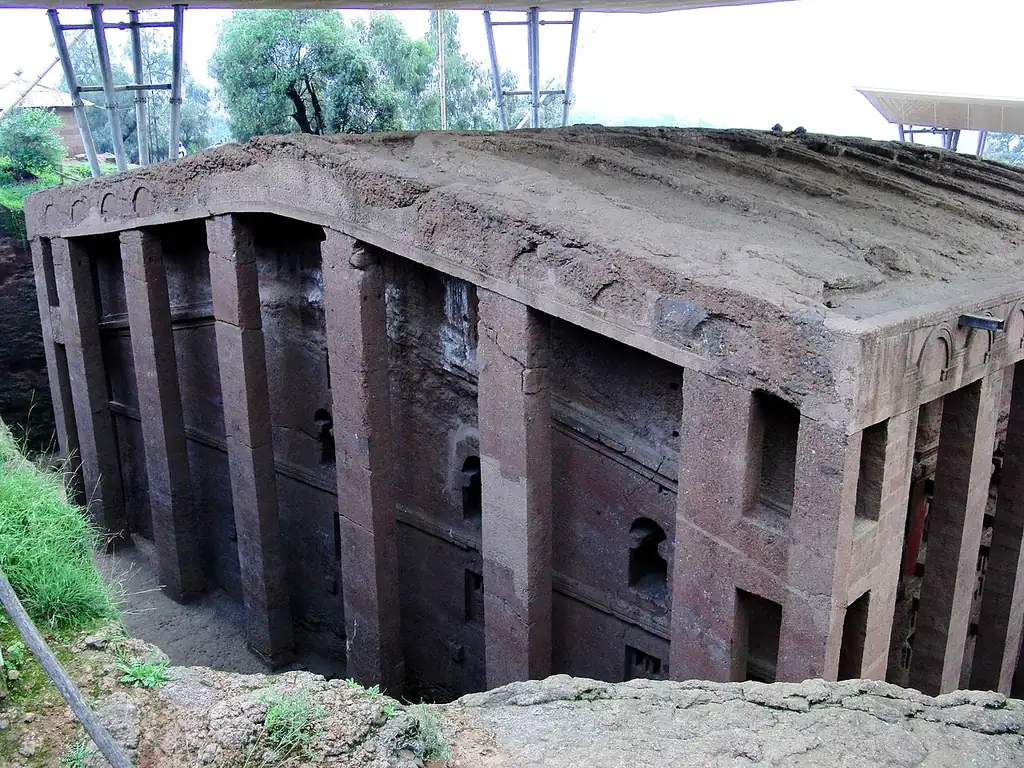
Aksum declined between the 7th and 10th centuries. Historians point to the loss of Red Sea trade, climate and soil stress, Arab control of the sea, and internal revolts, including the semi-legendary queen Gudit. A new dynasty, the Zagwe, took over around 1137 and ruled from Lasta until 1270. It was a Zagwe king, Lalibela, who is credited with the extraordinary rock-hewn churches that carry his name.
Meanwhile, elsewhere in the region, other societies were thriving. Muslim sultanates (Shewa, Ifat and Adal) grew from the 9th century, linked to Red Sea and Indian Ocean trade. In the south-west, kingdoms such as Kaffa, the Gibe states and Wolayta developed sophisticated farming and political systems. The Oromo, Somali, Afar, Sidama and other peoples had their own institutions, including the Oromo gada system, a form of governance based on generations.
The Solomonic era, 1270–1769
In 1270, Yekuno Amlak overthrew the Zagwe and founded what is called the Solomonic dynasty, claiming descent from King Solomon and the Queen of Sheba. The story is told in the 14th-century epic Kebra Nagast. Historians treat the genealogy as political legitimation; for many Ethiopians it is a living part of national tradition. Both things can be true at once.
The 14th and 15th centuries were a time of expansion, monastic reform and growing contact with Europe. Zara Yaqob (ruled 1434–68) was a major religious and administrative reformer.
The war with Adal
From 1529 to 1543, Imam Ahmad ibn Ibrahim al-Ghazi, known as Gragn (“the left-handed”), led armies from the sultanate of Adal across much of the highlands. Emperor Gelawdewos eventually defeated and killed him at Wayna Daga in 1543, with help from about 400 Portuguese musketeers under Cristovão da Gama. The war devastated both sides, and its memory still shapes how some communities see each other.
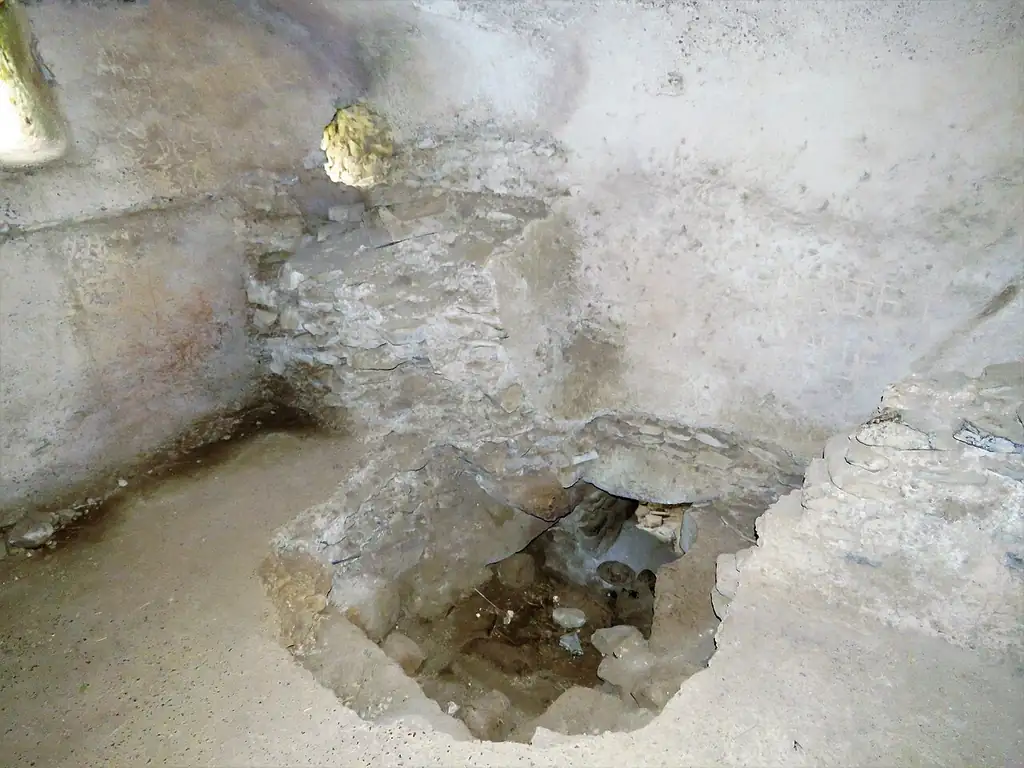
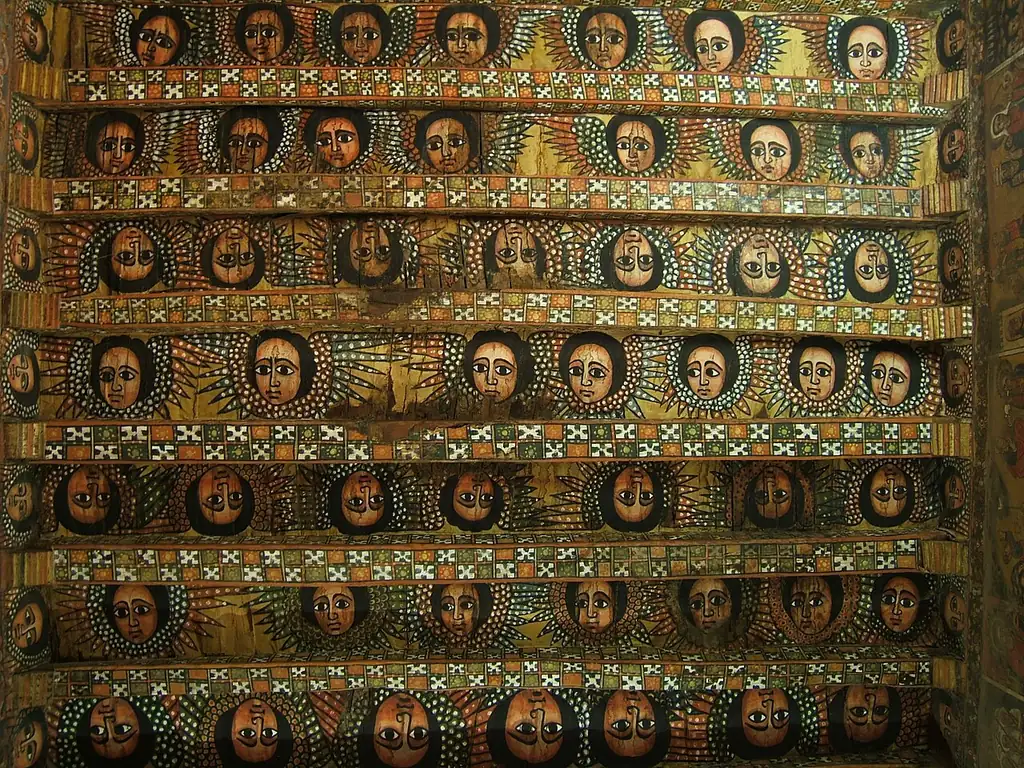
In the 16th and 17th centuries, large-scale Oromo population movements north and east reshaped the political map. Jesuit missions under Emperor Susenyos caused a religious crisis that ended with the Jesuits’ expulsion in the 1630s. In 1636, Fasilides founded Gondar as a fixed capital; its castle complex, Fasil Ghebbi, is now a World Heritage site.
The Era of the Princes, 1769–1855
During the Zemene Mesafint, emperors became figureheads while regional lords, the rases, held the real power, and civil wars were frequent. Historians still argue about how to read the period: as plain disorder, or also as an era of regional cultural vitality, in which Oromo, Tigrayan, Amhara and Yejju rulers all took part in the contest for the centre.
Reunification and expansion, 1855–1913
Tewodros II (1855–68) reunified the central highlands and tried to modernise the state. He died by suicide at Maqdala in 1868 as a British expedition stormed his fortress, after a dispute over hostages. The British carried away thousands of manuscripts and artefacts, some of which are still the subject of requests for return.
Yohannes IV (1872–89), from Tigray, fought off Egyptian invasions at Gundet and Gura and was killed fighting the Mahdists at Metemma in 1889.
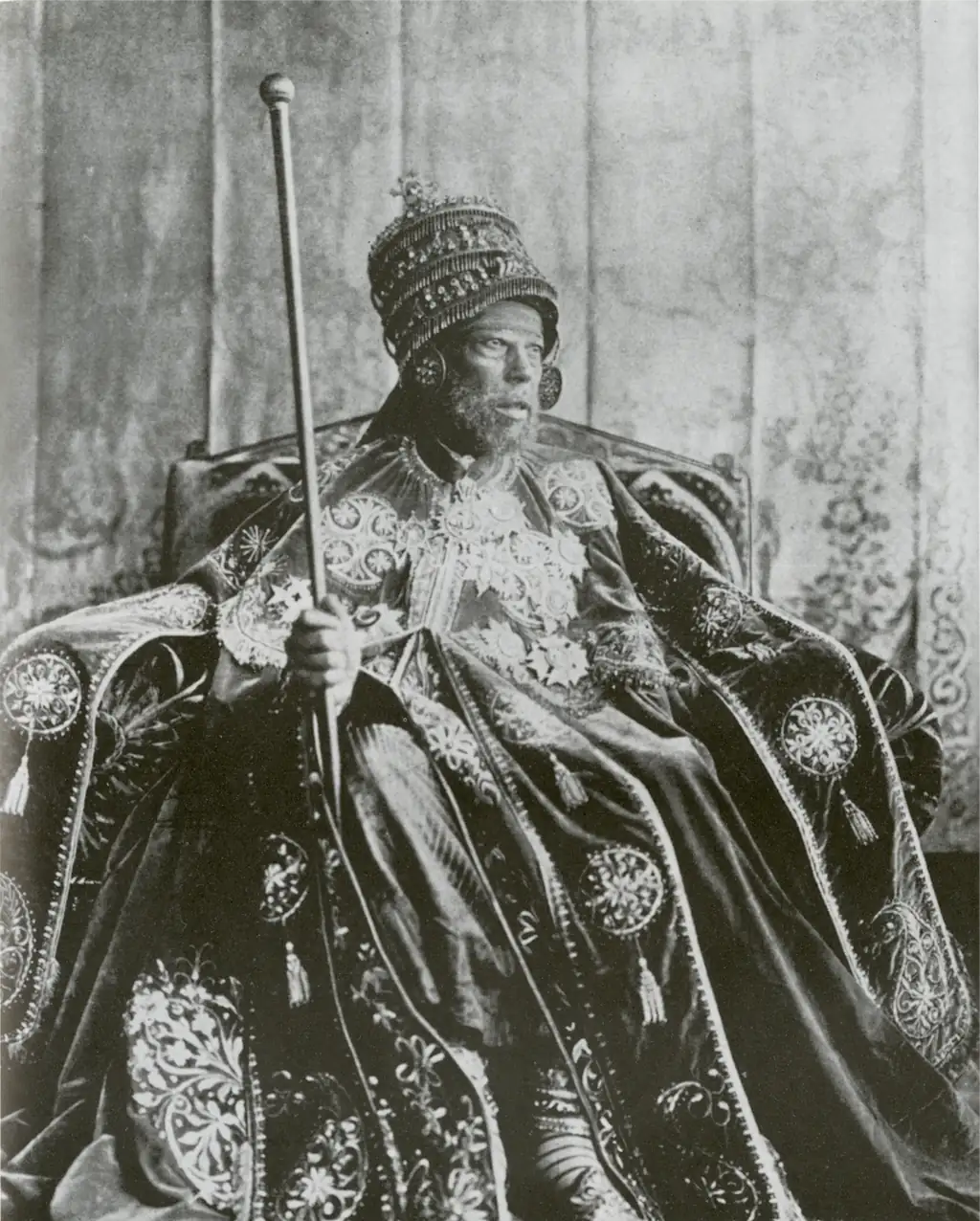
Menelik II (1889–1913), previously king of Shewa, became emperor. With Empress Taytu he founded Addis Ababa in 1886, introduced the telegraph, a railway to Djibouti, schools, banks and ministries, and led a campaign of expansion to the south and east that brought large territories into the empire, including Oromo, Sidama, Wolayta, Kaffa and Harar lands.
Adwa, 1 March 1896
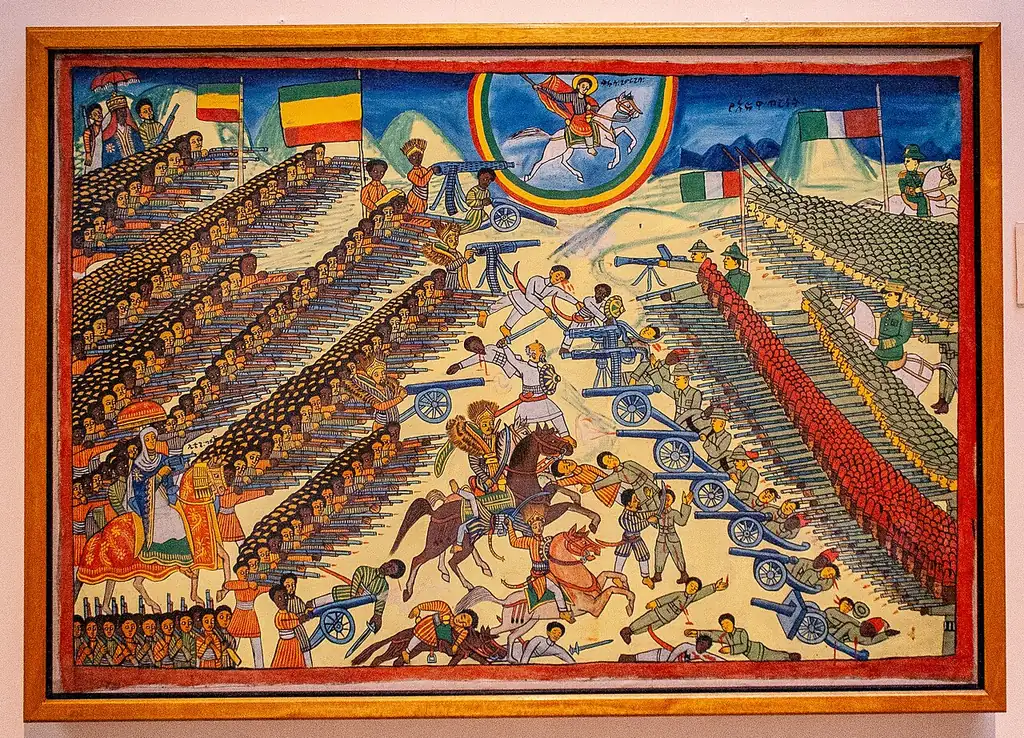
Italy claimed a protectorate over Ethiopia through a disputed version of the Treaty of Wuchale (1889), in which the Amharic and Italian texts of Article 17 differed. Menelik rejected the claim. At Adwa, his army, with Empress Taytu, Ras Alula and many regional leaders, decisively defeated the Italian force. The victory secured Ethiopia’s independence against a European colonial power and became a symbol across Africa and the diaspora. Adwa Victory Day is still a national holiday, observed on 23 Yekatit.
Haile Selassie and the Italian occupation
After a period of succession turmoil (Lij Iyasu, 1913–16), Ras Tafari Makonnen became regent and, in 1930, Emperor Haile Selassie I. Ethiopia joined the League of Nations in 1923, adopted its first written constitution in 1931, and formally abolished slavery in 1942.
In 1935, Fascist Italy invaded, using aircraft and chemical weapons in violation of the Geneva Protocol. Addis Ababa fell in 1936, and the emperor’s plea to the League of Nations became a landmark of failed collective security. Italian rule combined brutality, including the massacre of Yekatit 12 in Addis Ababa in February 1937, with road-building, and Ethiopian resistance fighters, the arbegnoch (“patriots”), never stopped. British and Ethiopian forces liberated the country in 1941. This is why “never colonised” needs a footnote: Ethiopia was occupied, but not durably colonised.
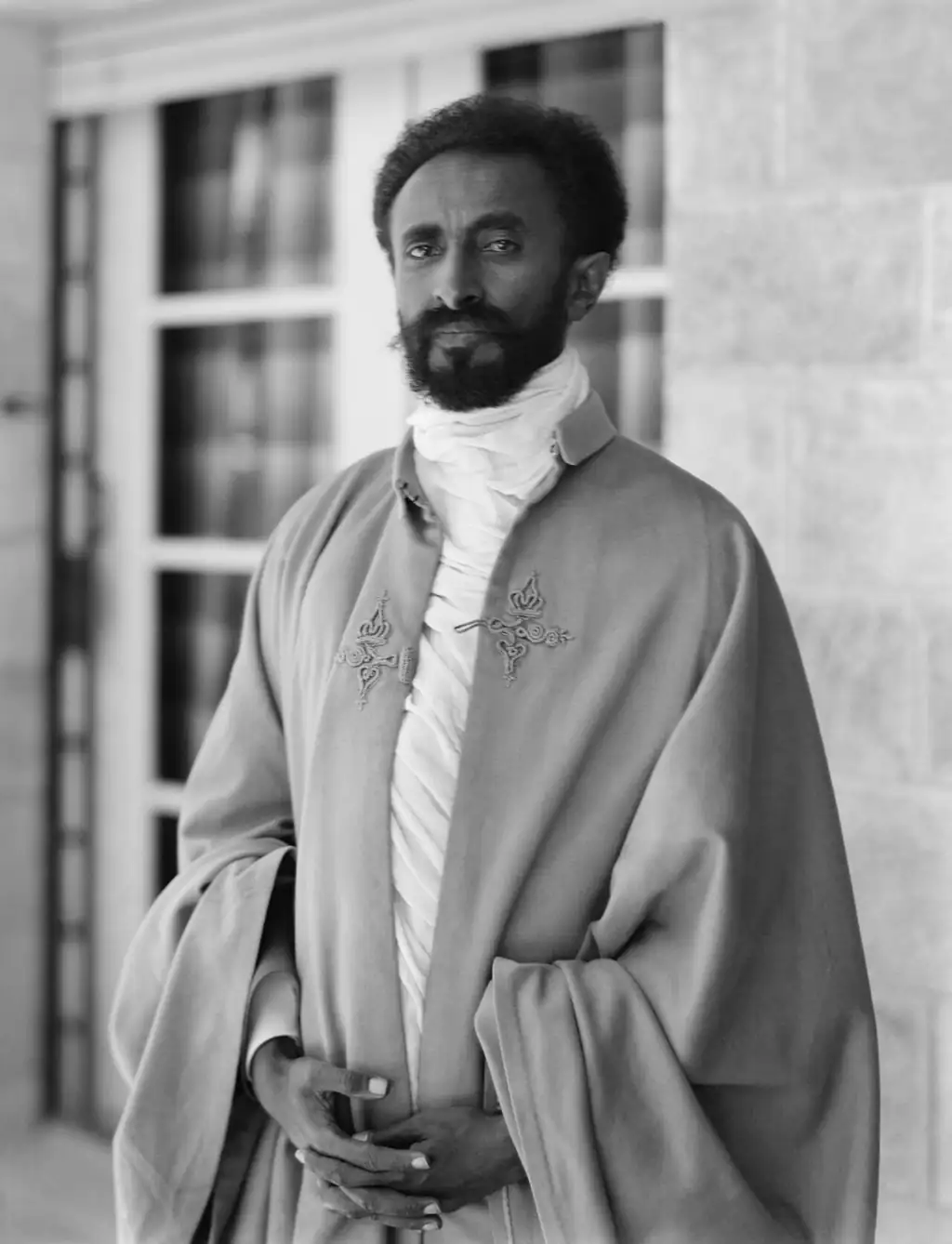
After the war, Eritrea was federated with Ethiopia in 1952 and annexed in 1962, starting a thirty-year armed struggle for independence. Haile Selassie hosted the founding of the Organisation of African Unity in Addis Ababa in 1963. Universities, the army and the cabinet developed, but land reform, equality and political participation stalled. Student activism, an attempted coup in 1960 and the Wollo famine, which the court hid, fed a growing crisis.
The Derg and military rule, 1974–1991
In 1974, soldiers, students and workers forced Haile Selassie from power. He died in custody in 1975, in circumstances that remain disputed and were probably violent. A military committee, the Derg (“committee”), later led by Mengistu Haile Mariam, declared Marxism-Leninism and aligned with the Soviet Union.
- 1975Land reform nationalises rural land, ending tenancy and landlordism. It was one of the Derg’s most consequential and, in the south especially, popular measures, though it came with forced collectivisation and villagisation.
- 1977–78The Red Terror: large-scale killing of real and alleged opponents, especially urban youth. Estimates run into the tens of thousands. Mengistu was convicted of genocide in absentia in 2006 and lives in Zimbabwe.
- 1977–78The Ogaden War with Somalia.
- 1983–85Famine, caused by drought, war and policy. Estimates of the dead range from 400,000 to 1,000,000. It prompted international relief efforts such as Live Aid.
Wars against Somalia and against Eritrean and Tigrayan insurgents exhausted the regime, which fell in 1991.
The EPRDF era, 1991–2018
In 1991, the Ethiopian People’s Revolutionary Democratic Front, led by the Tigray People’s Liberation Front (TPLF) with allied movements, took Addis Ababa. Mengistu fled. A transitional charter recognised self-determination for nationalities, and the Constitution of 1995 created a federal state. In 1993, Eritrea became independent after a UN-observed referendum.
From 1998 to 2000, Ethiopia and Eritrea fought a war over the border town of Badme and other areas. Perhaps 70,000 to 100,000 people died on both sides, though estimates vary. The Algiers Agreement (2000) and a boundary decision (2002) did not lead to real normalisation until 2018.
Prime Minister Meles Zenawi led until his death in 2012, followed by Hailemariam Desalegn. The state pursued a “developmental state” model with very high growth, often cited at 8–11% a year, big public investment, and expanded health and schooling, alongside limits on opposition parties, the press and NGOs. The 2005 election saw a strong opposition showing and a violent aftermath in which about 200 people were killed. Protests in Oromia and Amhara from 2014 to 2018, over land, representation and rights, led to a state of emergency and Hailemariam’s resignation.
The Abiy era, 2018 to today
In April 2018, Abiy Ahmed became Prime Minister. He released political prisoners, invited exiled groups home, relaxed media restrictions, appointed a gender-balanced cabinet and made peace with Eritrea, for which he received the Nobel Peace Prize in 2019. That year the EPRDF was dissolved and replaced by the Prosperity Party; the TPLF declined to join.
The Tigray war, 2020–2022
Federal elections were postponed in 2020 because of COVID-19; Tigray held its own regional vote anyway. In November 2020 fighting broke out between federal forces, supported by Eritrean troops and Amhara forces, and Tigrayan forces. UN-mandated investigators and rights groups documented atrocities by several parties, and a humanitarian blockade caused hunger. The African Union-led Pretoria Agreement of 2 November 2022 ended the main fighting. The death toll is highly uncertain; some academic estimates reach several hundred thousand from violence and hunger, while the Ethiopian government disputes the higher figures.
Since 2023, an insurgency in parts of the Amhara region (the Fano militias) and continuing armed conflict in parts of Oromia (the Oromo Liberation Army) have caused serious civilian suffering. Tensions between federal and Tigrayan authorities, and between Ethiopia and Eritrea, have returned. General elections were held in 2021, and the next were scheduled for 2026. For the latest events, consult current news and the sources listed in the reference chapter.
Themes that run through the story
State and periphery
The repeated tension between a centralising highland state and diverse peoples at its edges. The federal system of 1995 was an attempt to reset it.
Religion and politics
From Aksum’s Christianity to the Muslim sultanates to modern secularism. See the chapter on religion.
Land
Who owns and farms the land has driven revolutions, reforms and protests.
Famine and food security
Drought interacts with governance, conflict and markets, and the pattern keeps returning.
Sovereignty and the sea
Ethiopia’s position as a large landlocked power, explored in Ethiopia in the world.
- c. 980–400 BCEKingdom of D’mt
- c. 100–940 CEKingdom of Aksum; Ezana adopts Christianity in the 330s
- c. 1137–1270Zagwe dynasty; the Lalibela churches
- 1270Solomonic dynasty begins with Yekuno Amlak
- 1636Gondar founded
- 1896Victory at Adwa
- 1935–41Italian invasion and occupation
- 1974Revolution; the Derg takes power
- 1991The Derg falls; EPRDF takes power
- 2018Abiy Ahmed becomes Prime Minister
ሁሉም ምዕራፎች
- 01 · Country at a glance
- 02 · History & civilization
- 03 · People & society
- 04 · Religion & belief
- 05 · Culture & everyday life
- 06 · Government & institutions
- 07 · Economy & development
- 08 · Natural environment
- 09 · Travel & tourism
- 10 · Practical living guide
- 11 · Ethiopia in the world
- 12 · Knowledge & reference