
Religion & belief
Religion in Ethiopia is not something kept for Sundays. It sets the calendar, the menu, the dress, the holidays and much of the architecture. The country is home to some of the oldest Christian and Muslim communities outside the Middle East, a fast-growing Protestant movement and living indigenous traditions, and most people live alongside neighbours who believe differently.
A deeply religious country
Ethiopia is among the most religiously diverse countries in Africa. Its faiths are woven into daily life: the days people fast, what they eat on those days, the festivals that fill the calendar, the white shawls worn to church, the call to prayer in the morning. This is also why the Ethiopian calendar on this site pays so much attention to feasts and fasts.
Religious affiliation (2007 census)
| Tradition | Share | Notes |
|---|---|---|
| Ethiopian Orthodox Tewahedo | ~43.5% | Dominant in the northern and central highlands; the oldest institution in the country |
| Muslim (mostly Sunni, with Sufi traditions) | ~33.9% | Majority in Somali, Afar and Harari regions; large in Oromia |
| Protestant / Pentecostal (“P’ente”) | ~18.5% | Fast-growing since the 1960s and especially since 1991; strongest in the south |
| Traditional beliefs | ~2.6% | Includes Waaqeffannaa among the Oromo; many practices blend with other faiths |
| Catholic | ~0.7% | The Ethiopian Catholic Church (Ge’ez rite) and the Latin rite |
| Other | ~0.7% | Includes small Jewish, Baha’i and other communities |
The Ethiopian Orthodox Tewahedo Church
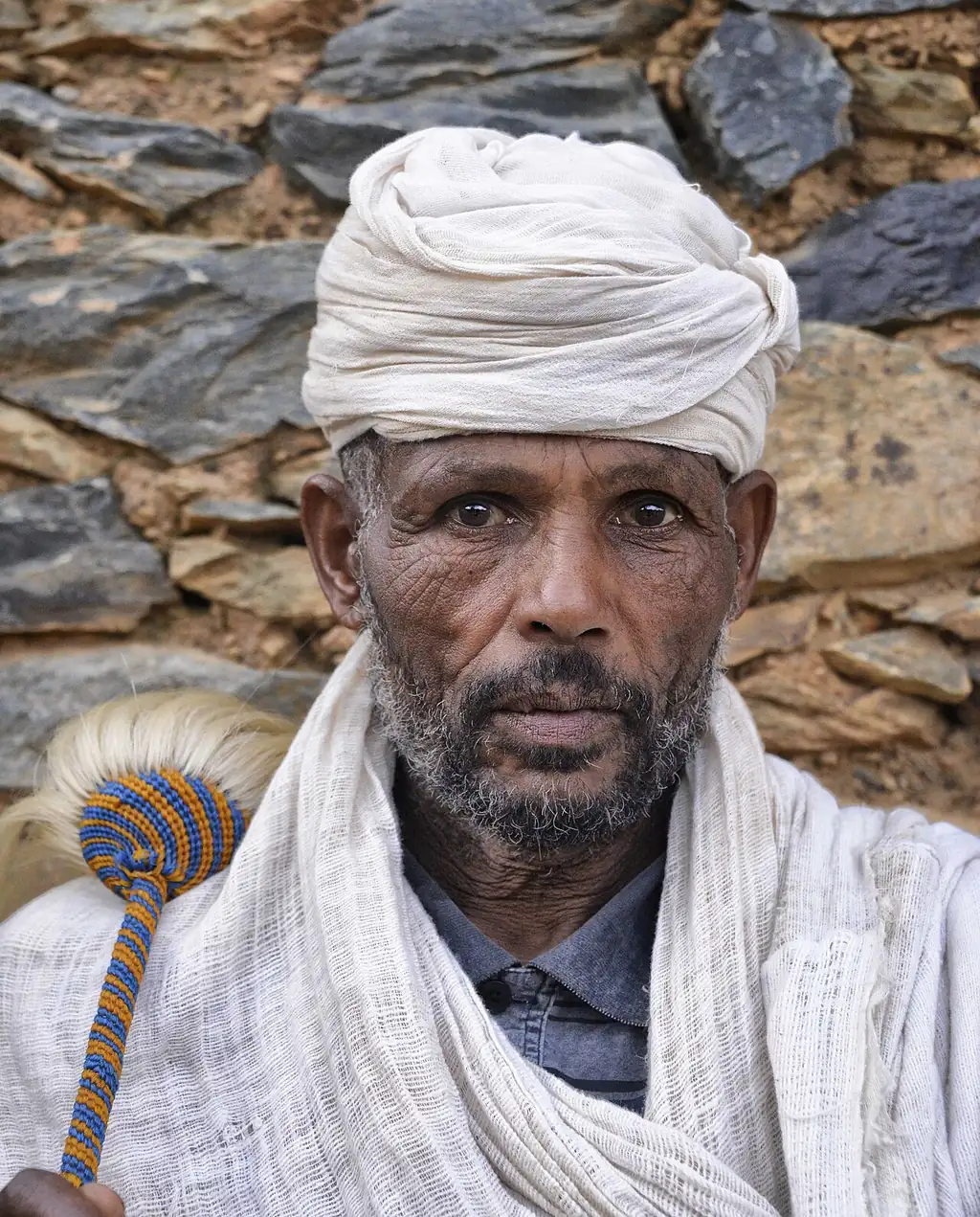
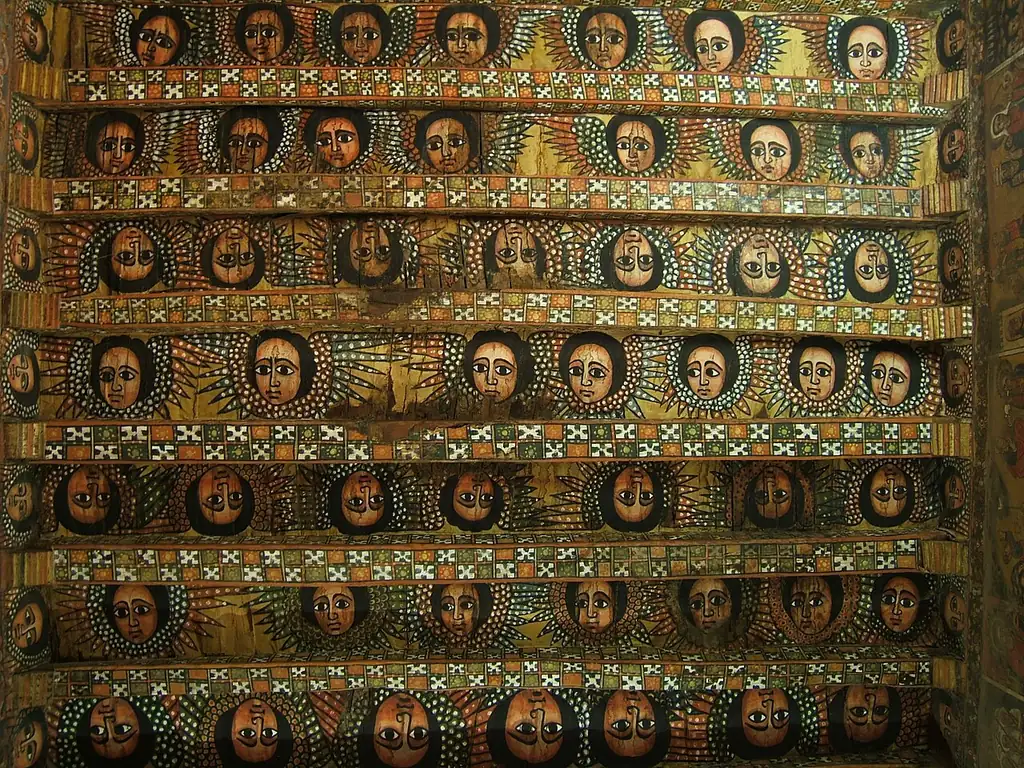
The Church traces its origin to the conversion of King Ezana of Aksum by Frumentius in the 4th century. By the 5th and 6th centuries the Bible had been translated into Ge’ez, and the “Nine Saints” strengthened monastic life. The word Tewahedo (“being made one”) refers to the belief in the single, united nature of Christ. The Church belongs to the Oriental Orthodox family, along with the Coptic, Armenian, Syriac and Eritrean churches. Its head, the abun, was appointed from Alexandria until 1959, when the Church became independent.
What the Church practises
- An unusually large Bible canon of 81 books, including the Book of Enoch and Jubilees.
- Extensive fasting: around 180 days or more a year, including Wednesdays, Fridays and the 55-day Lent (Abiy Tsom).
- A tradition of observing Saturday as well as Sunday as a day of rest, and the practice of male circumcision.
- A system of church schools (nebab bet, zema bet and qene bet) teaching reading, sacred music and poetry, and a tradition of sacred song and dance (aqwaqwam).
The Tabot
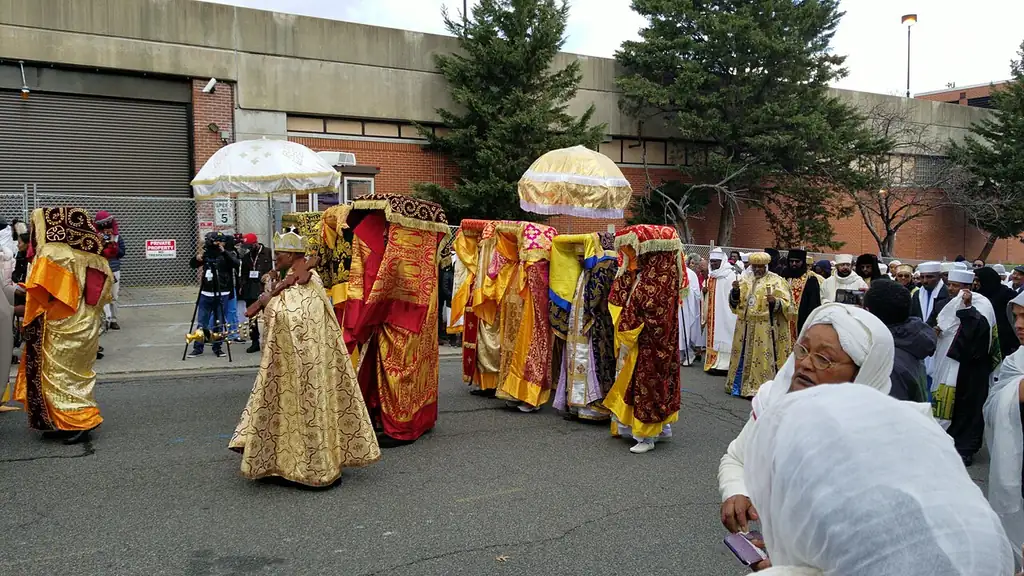
Every Ethiopian Orthodox church contains a tabot, a replica of the tablets of the Ark of the Covenant, and a church is consecrated only once it has one. According to tradition, the original Ark rests in the Church of Our Lady Mary of Zion in Aksum, where only a single guardian monk may see it. It is a matter of faith, and no outside verification is possible.
Living churches, not museums
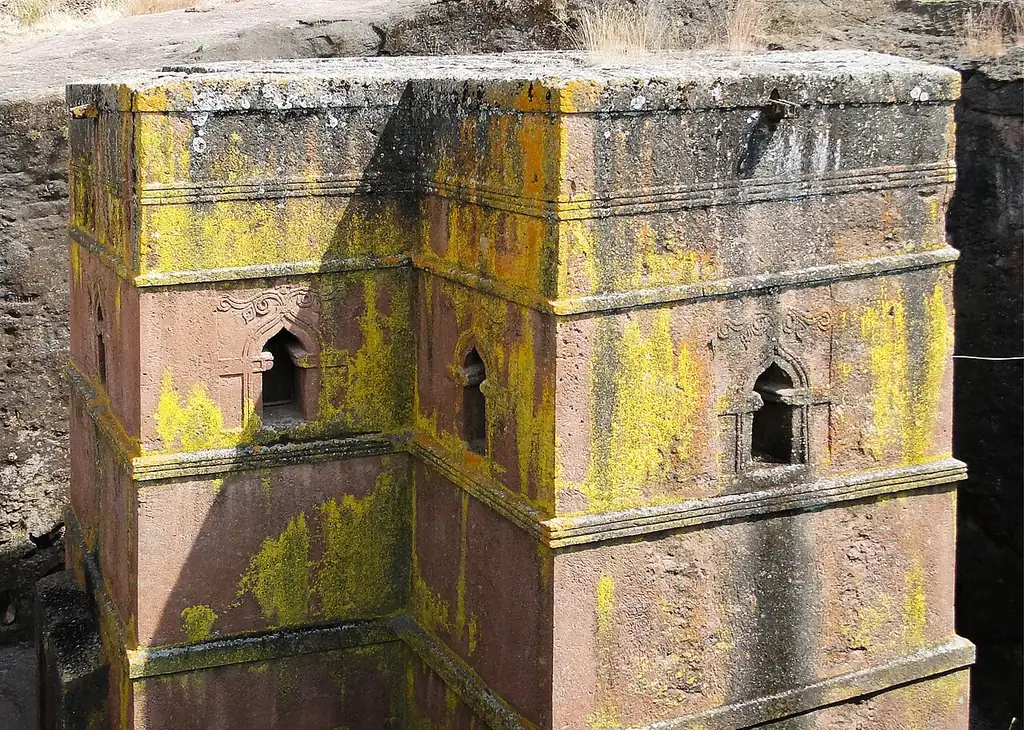
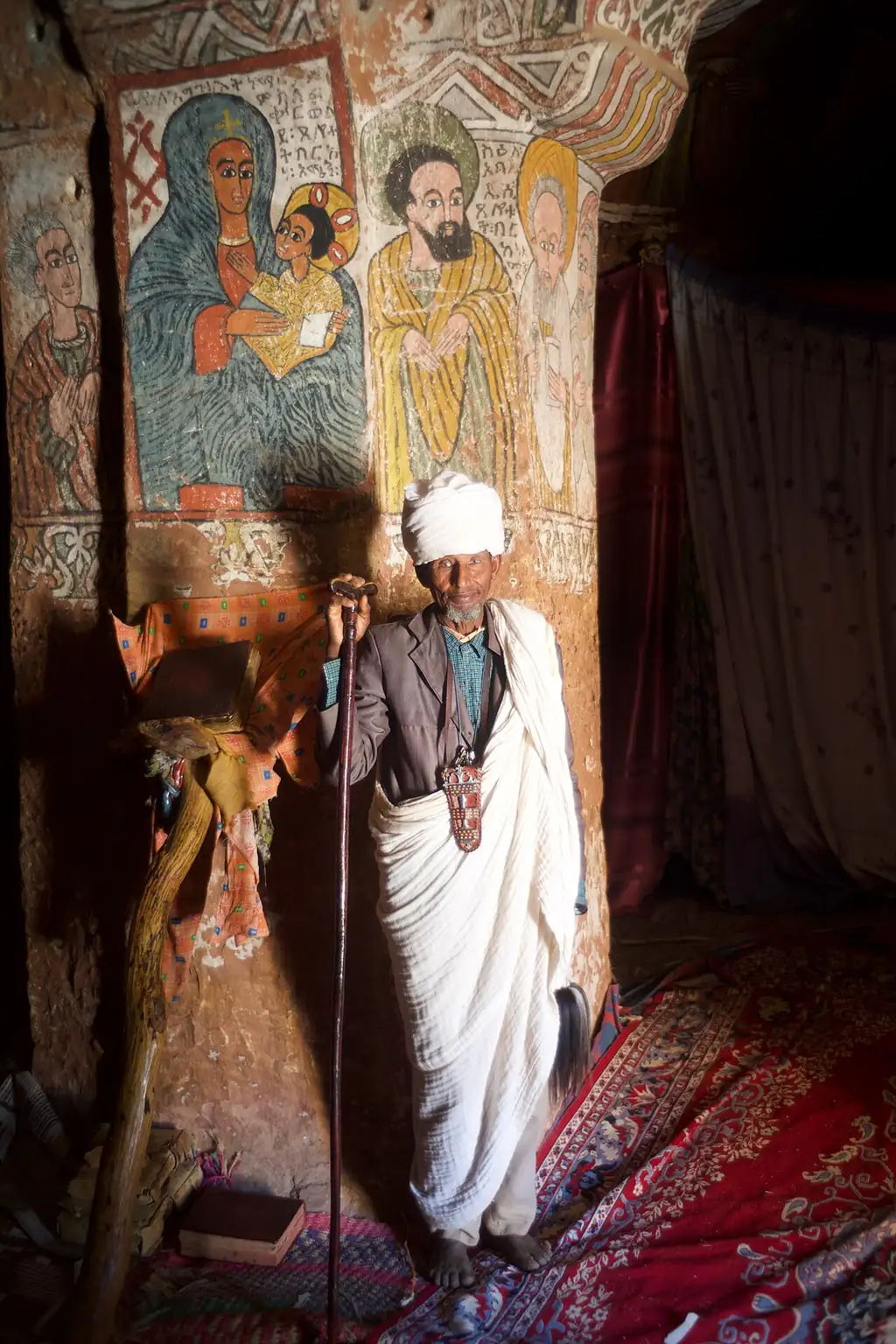
The rock-hewn churches of Lalibela (12th–13th centuries) and the cliff churches of Tigray are not heritage sites in the usual sense. They are still active places of worship, with priests, pilgrims and daily services. Visitors are guests.
Islam in Ethiopia
Islam arrived early. In 615 CE, followers of the Prophet Muhammad were sheltered at the court of Aksum, in the “first Hijra”. The settlement of Negash in Tigray is traditionally regarded as the first Muslim community in Africa. Over the following centuries Islam spread along trade routes into the lowlands and the east.
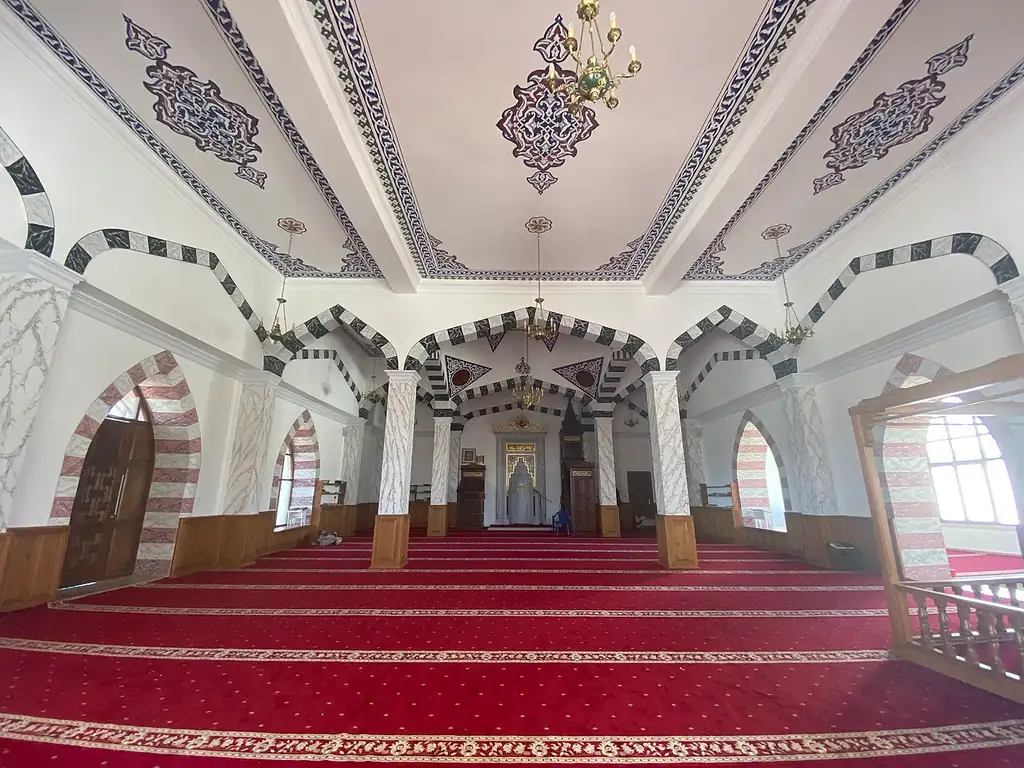
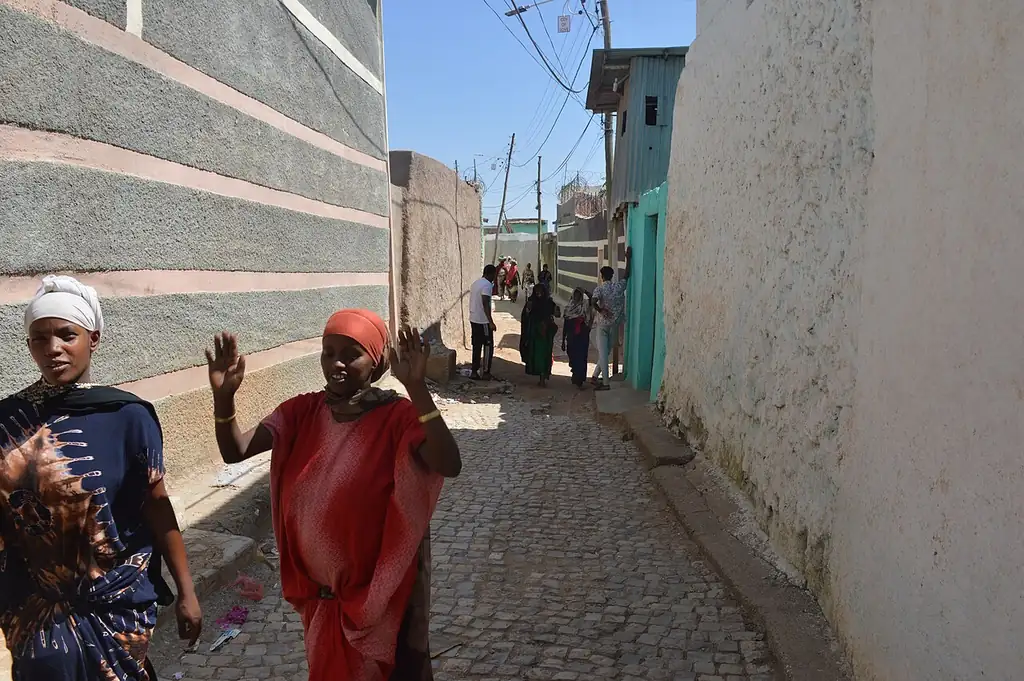
Harar is the great Muslim city of Ethiopia. Its walled old town, Jugol, a World Heritage site since 2006, packs more than 80 mosques into around a square kilometre, and it has long been a centre of Islamic learning. It is often called one of the four holiest cities of Islam, a local tradition rather than an official ranking.
Sufi traditions, notably the Qadiriyya and Tijaniyya orders, are strong, and the shrines of saints, such as Sheikh Hussein in Bale, draw thousands of pilgrims. Wollo has long had a tradition of mixed and tolerant Muslim and Christian communities.
Muslims were historically under-represented in the state, which had a Christian emperor and the Orthodox Church as state church until 1974. The 1974 revolution and the 1995 constitution separated religion and state, and Eid al-Fitr and Eid al-Adha became official holidays. The Ethiopian Islamic Affairs Supreme Council has been the subject of disputes over government interference, including protests in 2011–15. Day to day, relations are generally peaceful: families and villages are often mixed, and shared customs such as the coffee ceremony and Ethiopian cuisine cross the line. Occasional violence has occurred, including incidents in 2022 and 2023 around Orthodox processions and mosques in various places.
Protestant and Pentecostal Christianity
Missionary work began in the 19th century, but growth accelerated after 1960 and especially after the Derg period, when underground churches such as the Mekane Yesus (Lutheran) and Kale Heywet grew quietly. Today it is a significant movement, mostly urban and southern, with a large role in education, health and charity. Relations with the Orthodox Church can be tense in some places, yet there are also major reconciliation efforts, including the Inter-Religious Council of Ethiopia, which brings together the main faiths.
Indigenous traditions and the Beta Israel
Waaqeffannaa is the traditional Oromo belief in a single supreme creator, Waaqa. Its central rituals include Irreecha, a thanksgiving at water that becomes a huge public festival at Lake Hora near Bishoftu in autumn, and the ceremonies of the Gada system. Both Gada and Irreecha are on UNESCO’s lists of intangible cultural heritage. A tragic stampede at Irreecha in 2016 killed many people.
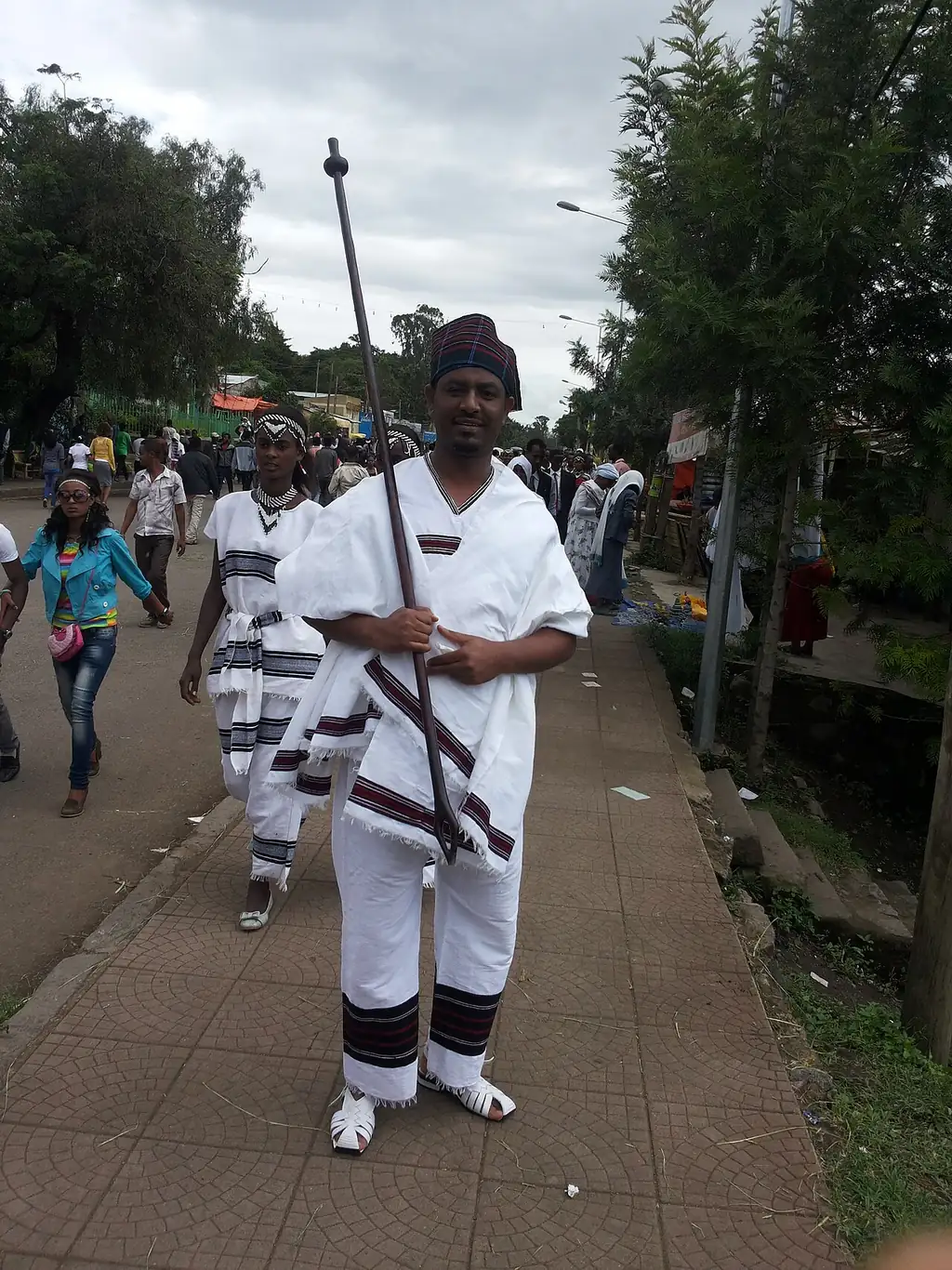
Other traditions include ancestor and spirit veneration in the south and west, as in the wooden waka grave markers of the Konso, and the zar spirit-possession cults found among both Christians and Muslims.
The Beta Israel
The Beta Israel (“House of Israel”), once called Falasha, a name now considered pejorative, were a Jewish community in the Gondar region and Tigray with ancient traditions. About 17,000 left in 1984–85 in Operation Moses, through Sudan, and about 14,000 were flown out in 24 hours in May 1991 in Operation Solomon. With later arrivals and descendants, about 160,000 Ethiopian Israelis now live in Israel. The Falash Mura, Ethiopians of Beta Israel ancestry who converted to Christianity, remain a subject of immigration policy.
Festivals through the year
Festivals are the best way to see Ethiopia’s faiths in colour and sound. Exact dates for each year are on the holidays page.
| Festival | When | What it is |
|---|---|---|
| Enkutatash | 11 or 12 September | New Year, at the end of the rainy season, celebrated with flowers and yellow daisies (adey abeba) |
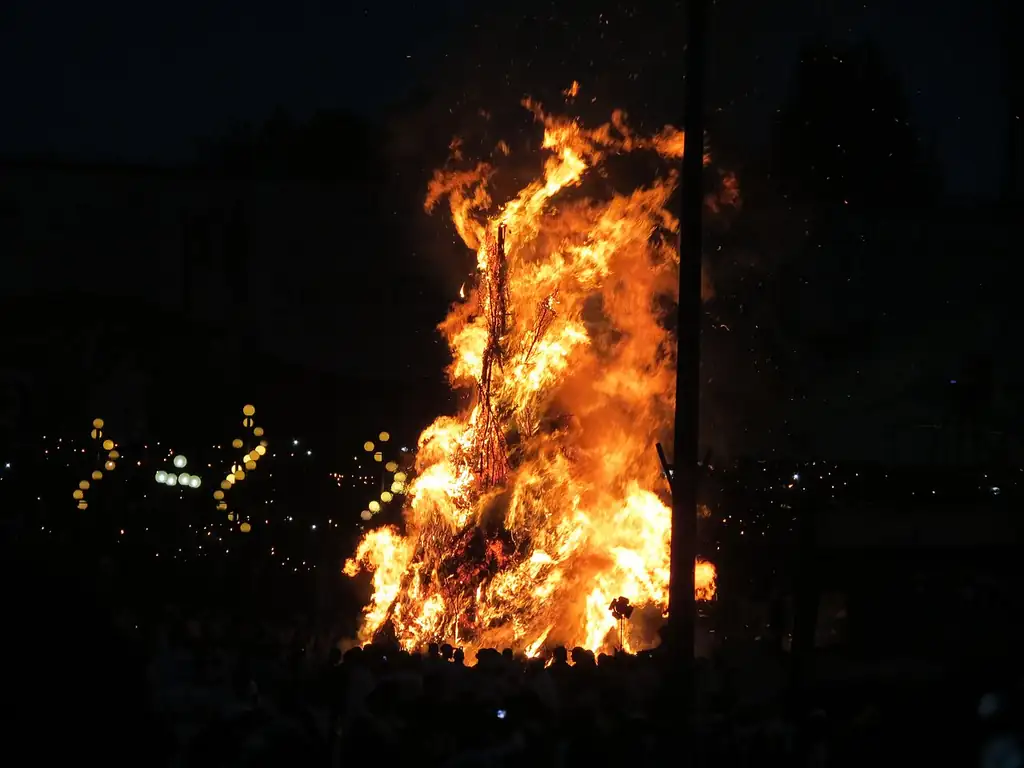
| Meskel | 27 September (28 in some years) | The Finding of the True Cross, marked by a huge bonfire (demera) in Meskel Square; UNESCO-listed in 2013 |
| Irreecha | Late September to October | The Oromo thanksgiving after the rains |
| Genna | 7 January | Ethiopian Christmas; the fast ends, and the yegenna chewata, a hockey-like game, is played |
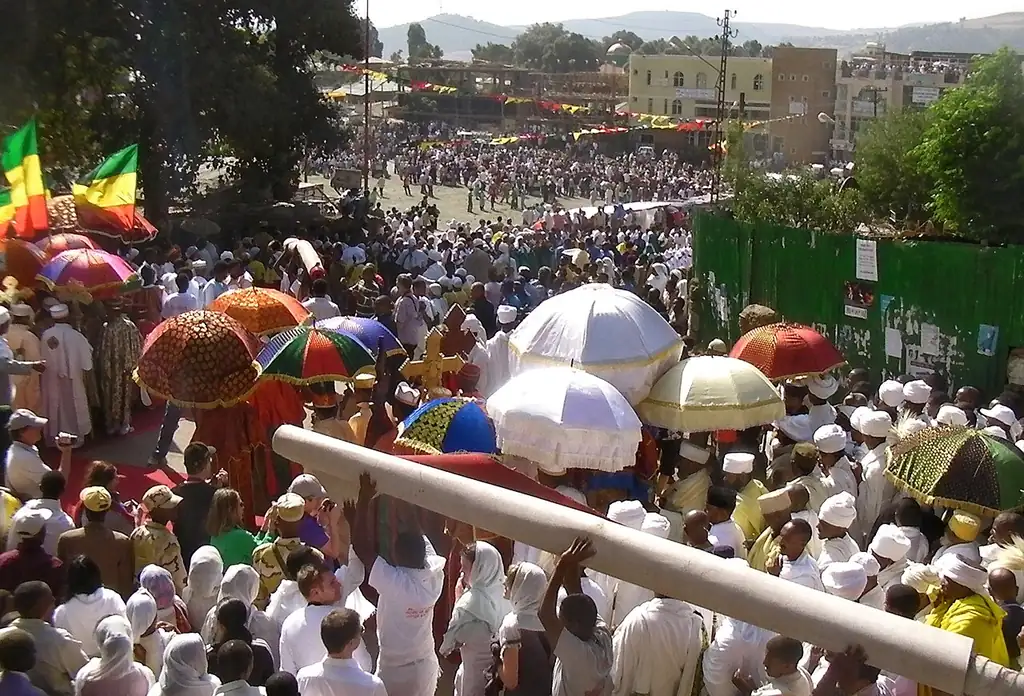
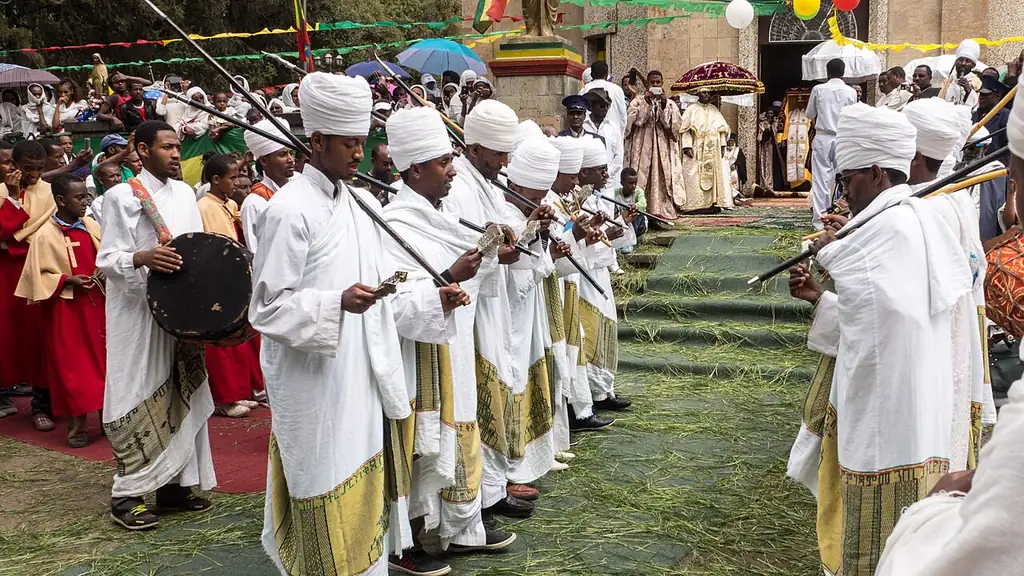
| Timkat | 19 January (20 in leap years) | Epiphany; tabots are carried in procession to water; major pilgrimages to Gondar and Lalibela |
| Fasika | Varies | Easter, ending the 55-day Lent |
| Eid al-Fitr, Eid al-Adha, Mawlid | Lunar dates | National holidays; Mawlid is celebrated especially at Negash and Harar |
| Fichee-Chambalaalla | Around August or September | Sidama New Year; UNESCO-listed in 2015 |
| Ashenda, Shadey, Solel | August | Girls’ festivals in Tigray and the Amhara highlands |
Church, state and secularism
Article 11 of the 1995 constitution says plainly: “State and religion are separate.” There is no state religion.
Etiquette for visitors
Dress and shoes
Remove your shoes before entering churches and mosques. Dress modestly, covering shoulders and knees. Women may need a headscarf.
Photography
It is often restricted inside churches, or carries a fee. Ask first, and never photograph people at prayer without permission.
Fasting days
On fasting days many restaurants serve only vegan dishes (yetsom). It is a good time to try the food, described in the culture chapter.
Sacred objects
Do not touch priests’ crosses or replica tabots unless you are invited to.
ሁሉም ምዕራፎች
- 01 · Country at a glance
- 02 · History & civilization
- 03 · People & society
- 04 · Religion & belief
- 05 · Culture & everyday life
- 06 · Government & institutions
- 07 · Economy & development
- 08 · Natural environment
- 09 · Travel & tourism
- 10 · Practical living guide
- 11 · Ethiopia in the world
- 12 · Knowledge & reference