
Culture & everyday life
If you want to understand Ethiopia, start at the table. Food is shared from one tray, coffee is an hour-long ritual, greetings take their time, and music runs on scales that sound like nowhere else. This chapter is a tour of everyday culture: what people eat and drink, what they wear, how they behave with guests, and the arts and sports they love.
Food: one tray, many hands
Ethiopian cuisine is communal. At its centre is injera, a spongy, slightly sour flatbread made from fermented teff, an ancient, tiny-grained cereal that is naturally gluten-free. Injera is plate, spoon and bread all at once. Stews and salads are arranged on a large round tray, everybody eats with the right hand, and tearing off a piece of injera to wrap around a mouthful is a skill you pick up in minutes.
Sharing is an act of intimacy. The custom of gursha, putting a bite into someone else’s mouth, is a gesture of respect and affection, and it is polite to accept. If someone offers you a gursha, you have been welcomed.
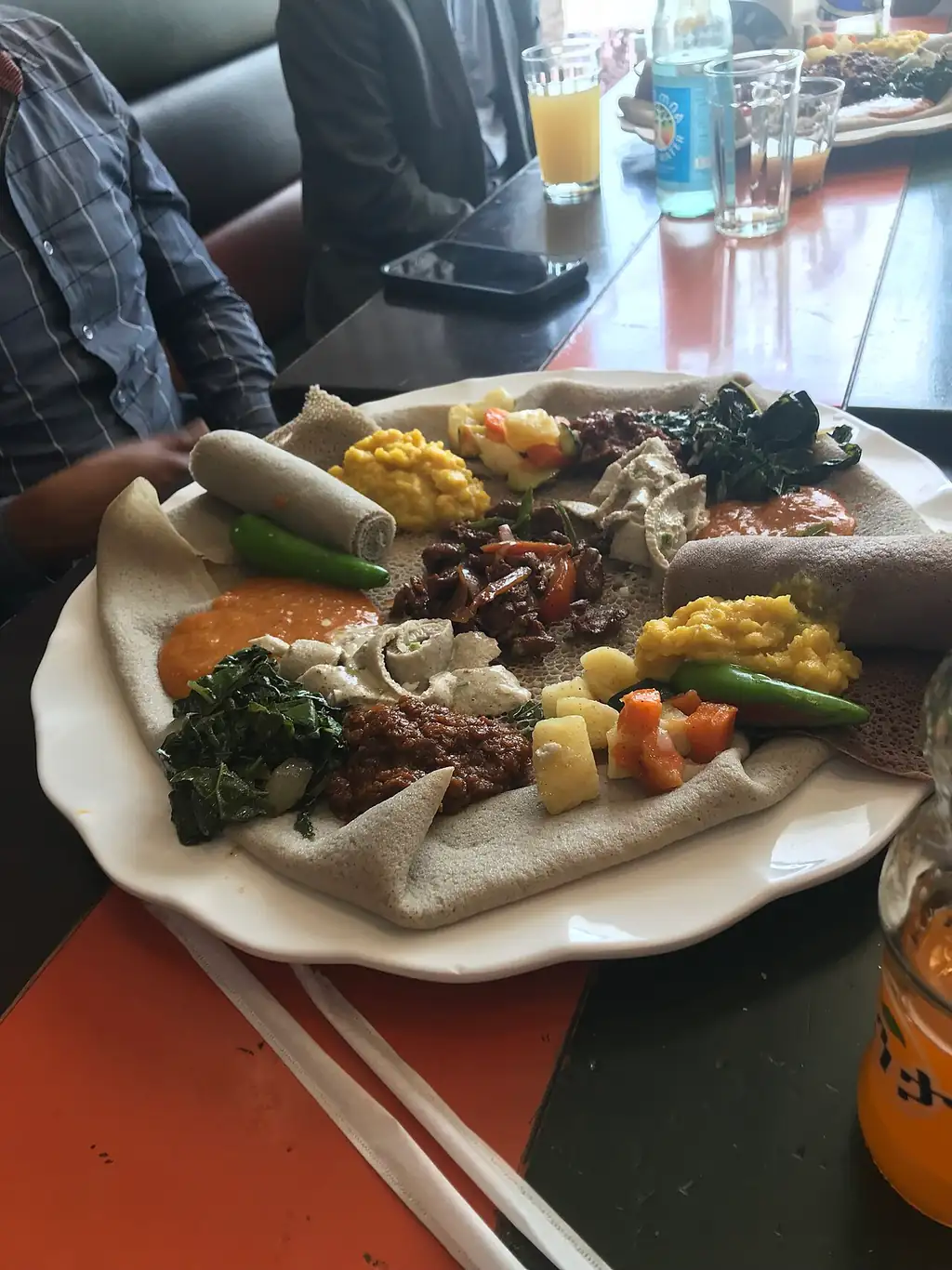
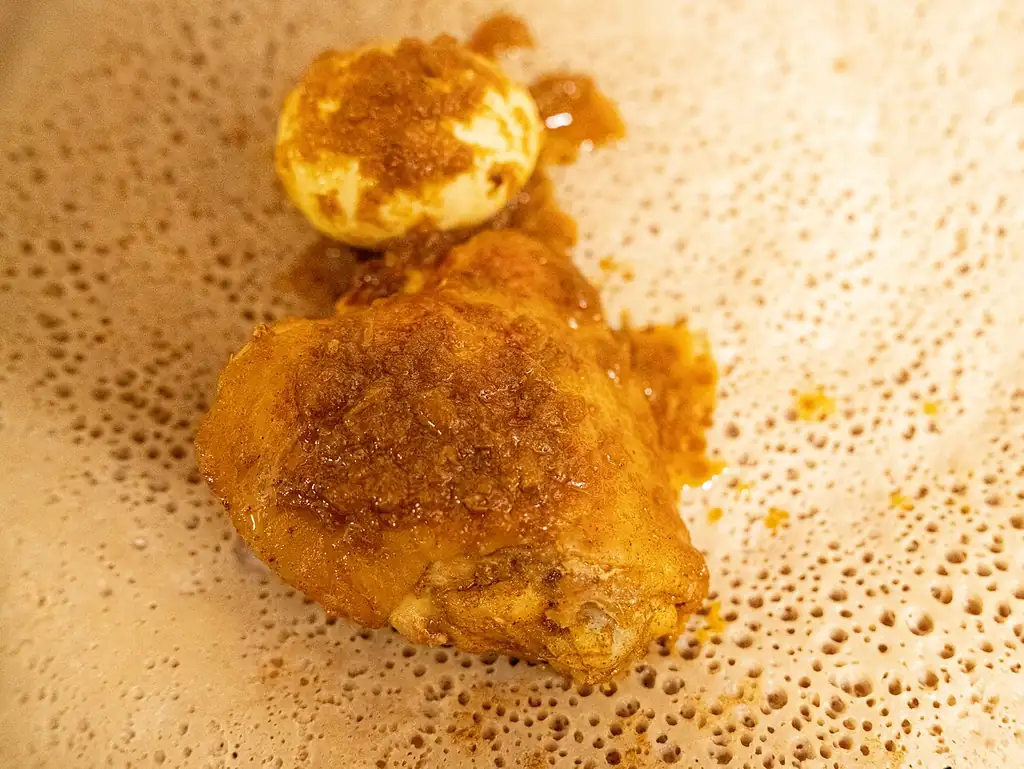
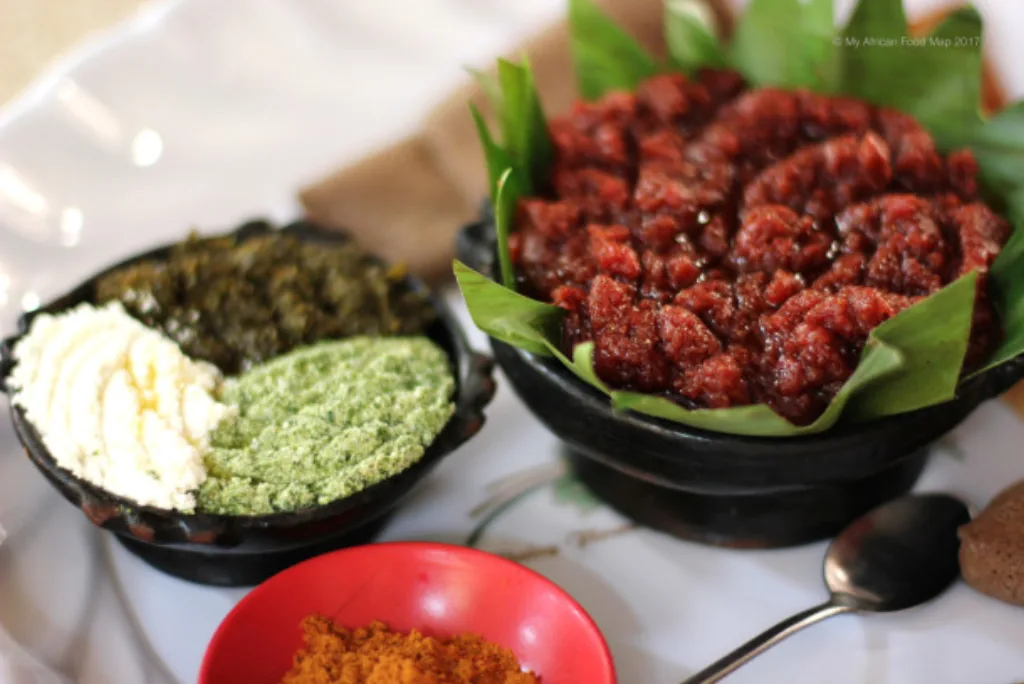
Dishes and drinks to know
| Name | What it is |
|---|---|
| Doro wat | Spicy chicken stew made with berbere and a hard-boiled egg; the traditional festival dish |
| Tibs | Sautéed beef, lamb or goat with onions, pepper and rosemary |
| Kitfo | Minced beef, raw, rare or cooked (leb leb), with mitmita and spiced butter (niter kibbeh); a Gurage speciality |
| Shiro | A chickpea or broad-bean stew; a staple, especially during fasts |
| Misir, kik, gomen, atkilt | Red lentils, split peas, collard greens and a cabbage-carrot-potato dish: the heart of the fasting platter (beyaynetu) |
| Firfir, chechebsa, genfo, ful | Breakfast dishes: shredded injera or bread, wheat or barley porridge, fava beans |
| Kocho and bulla | Fermented enset (false banana) bread and starch; a staple in the south |
| Gored gored, dulet, qurt | Raw or minced meat dishes, the meat served at feasts |
| Berbere, mitmita, niter kibbeh | The chilli spice blends and the spiced clarified butter behind so many dishes |
| Tej, tella, areke | Honey wine, home-brewed grain beer, and a strong distilled spirit |
| Ambasha or dabo | Festival bread |
| Somali, Harari and Afar foods | Rice with goat, camel milk, anjero pancakes and Harari dishes, which reflect Indian Ocean trade |
Fasting and food
Orthodox Christians abstain from meat, dairy and eggs on Wednesdays and Fridays and during Lent (Abiy Tsom), Advent and other periods. The result is one of the richest vegan traditions in the world. Restaurants often advertise fasting menus (yetsom), and these are some of the best meals in the country. Muslims fast during Ramadan, and halal rules apply in Muslim areas. To see which days are fasting days, use the fasting calendar.
Coffee: homeland and ceremony
Arabica coffee began in the forests of south-west Ethiopia, in Kaffa, where a wild genetic reservoir still survives. A popular story tells of Kaldi, a goatherd who noticed his goats dancing after eating coffee cherries. It was first recorded centuries later, and what historians can say is that the habit of drinking coffee can be traced to Ethiopia and Yemen.
Coffee is Ethiopia’s main export, historically worth about a quarter to a third of export earnings, and it supports millions of smallholders. The famous origins are Yirgacheffe and Sidama, Guji, Harar, Limu, Jimma and Kaffa.
The coffee ceremony (buna tetu)
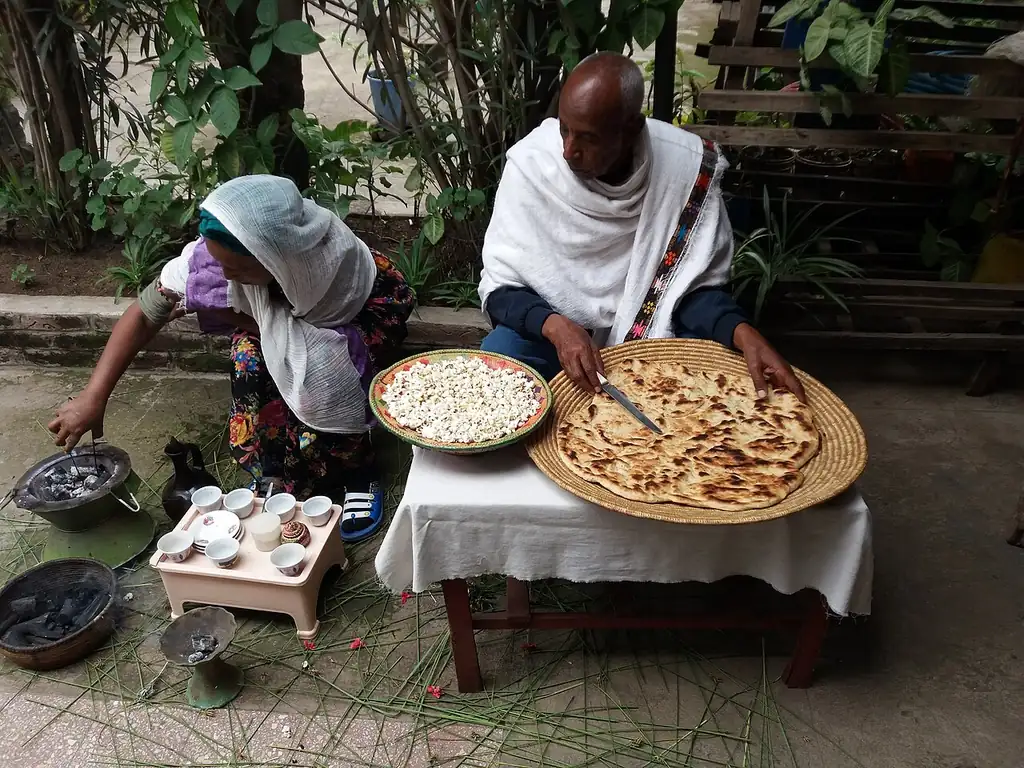
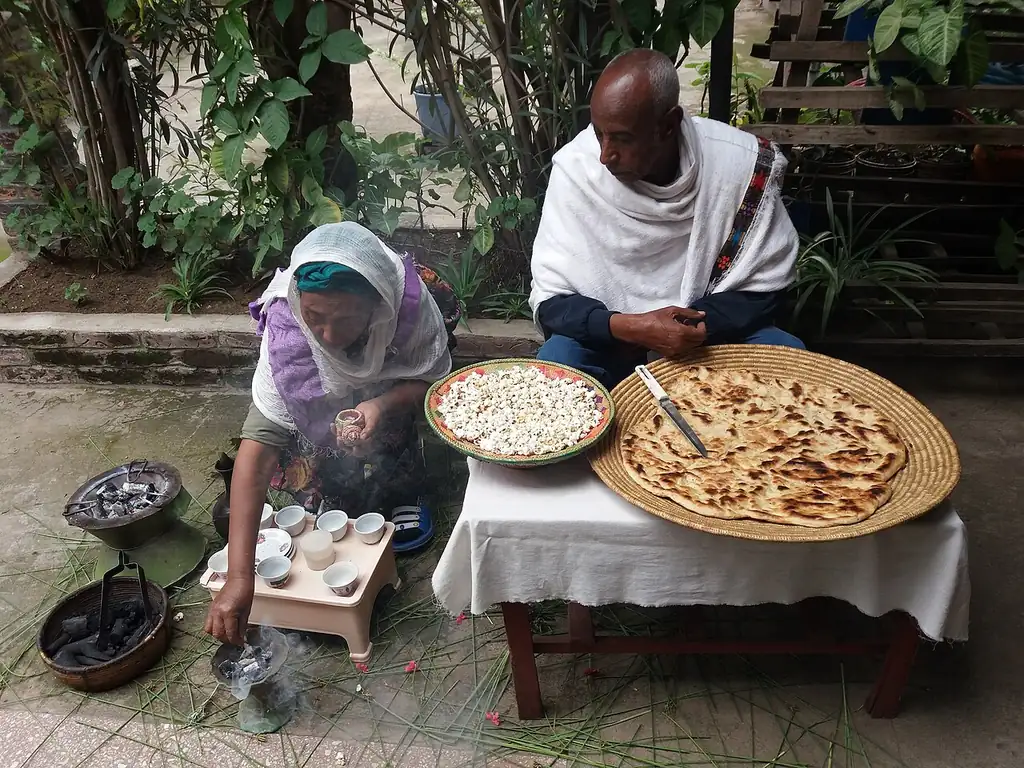
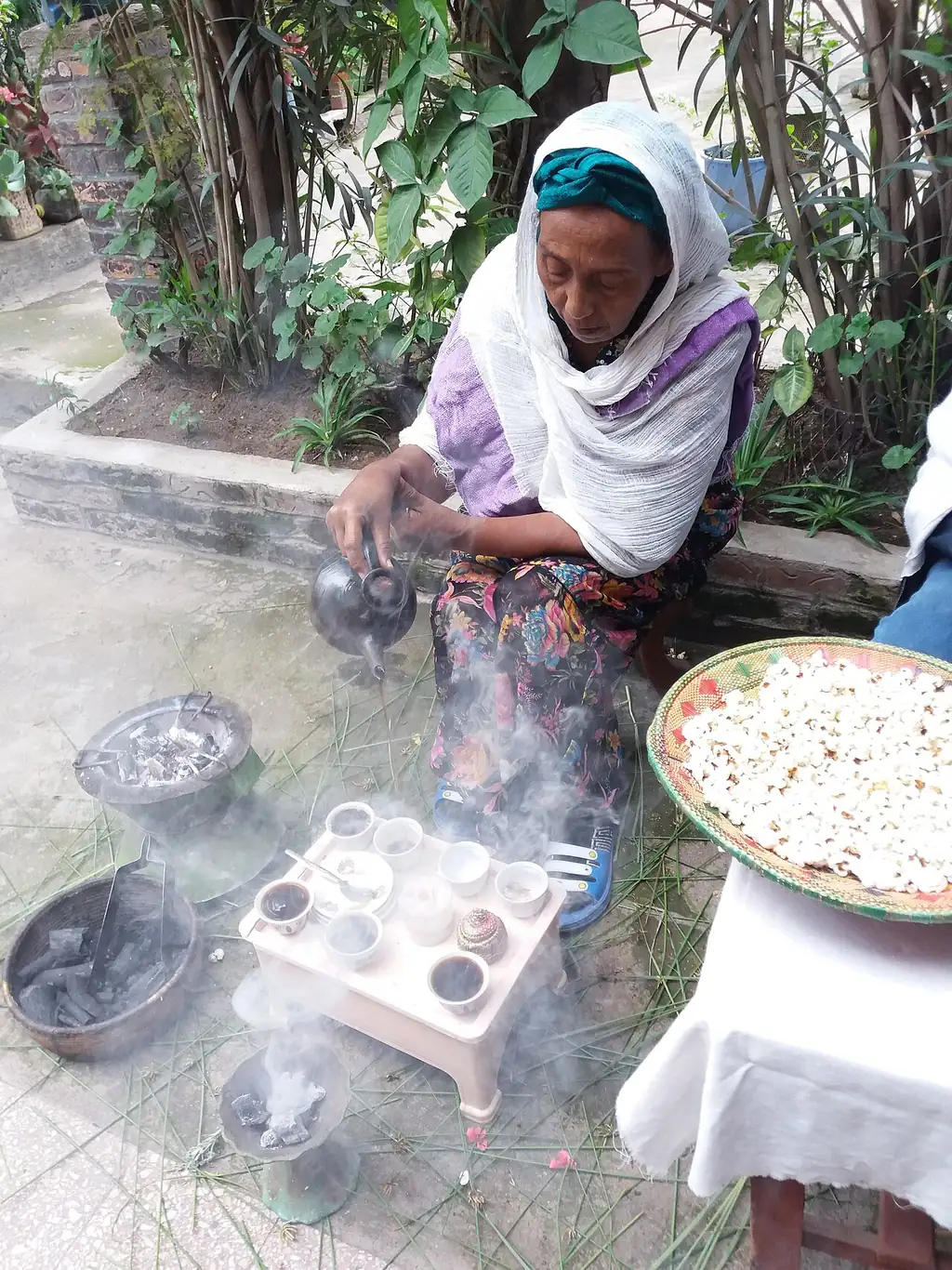
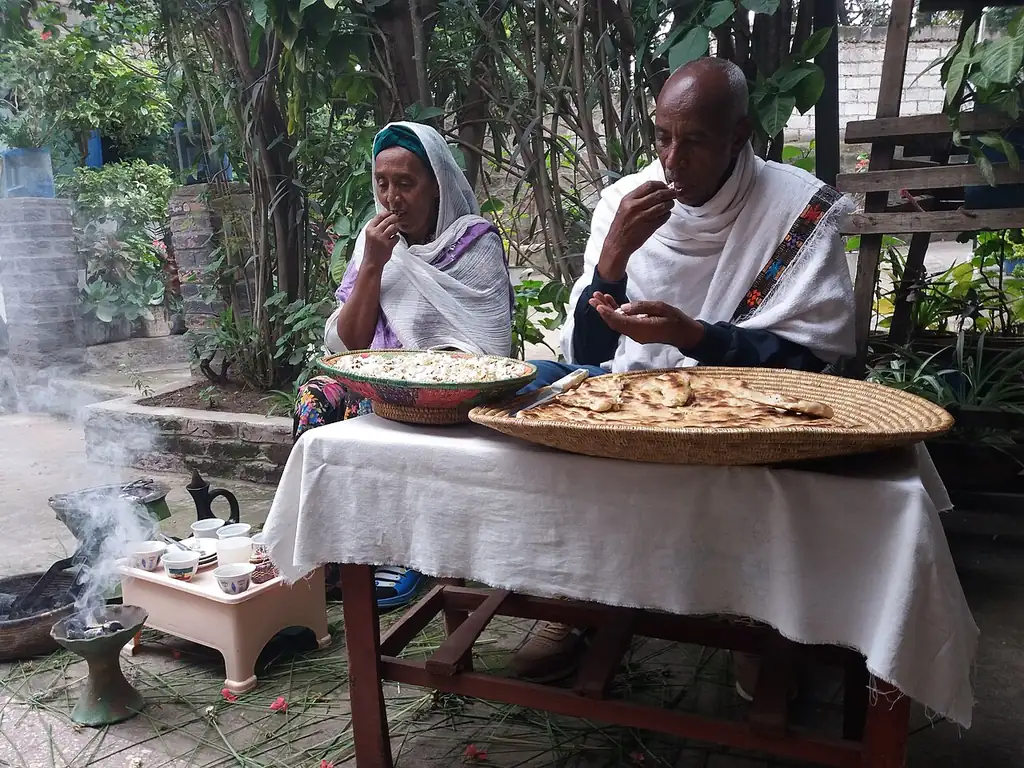
More than a drink, coffee is a daily ritual of hospitality, and being invited to one is an honour. A woman roasts green beans in a pan over charcoal and carries the fragrant smoke around the guests. She grinds the beans, brews the coffee in a clay pot called a jebena, and serves three rounds in small cups: abol, tona and baraka. Fresh grass is often scattered on the floor, incense burns, and there is popcorn or bread to eat. The whole thing can take an hour or more, and it is rude to refuse the first cup.
Clothing and appearance
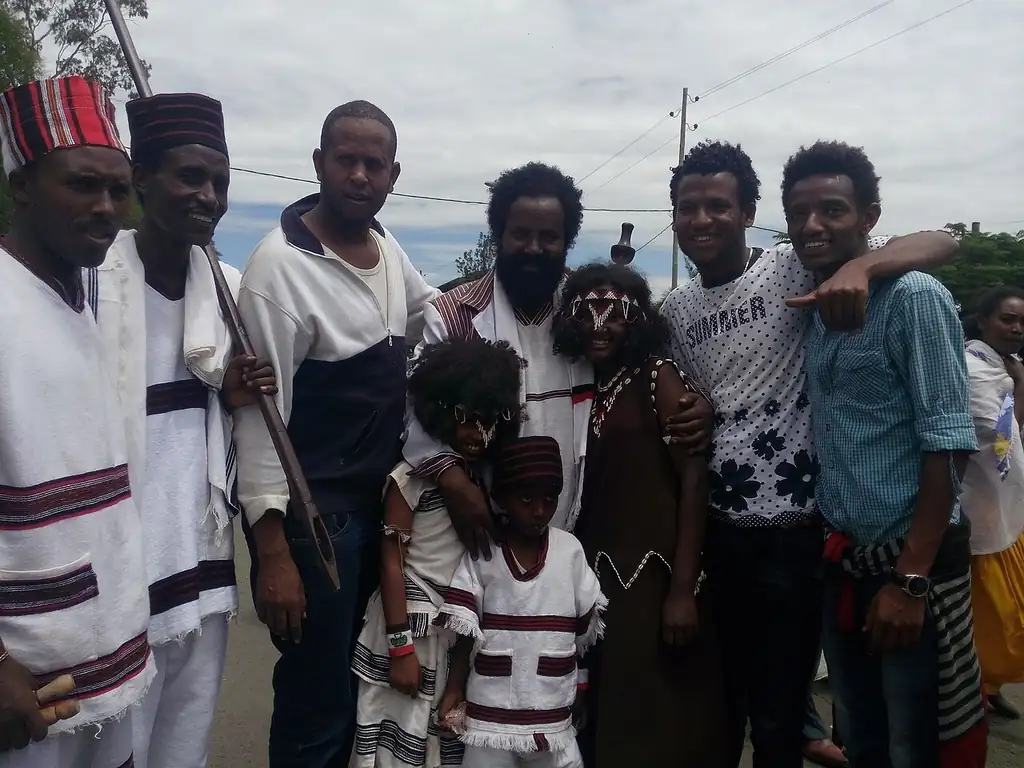
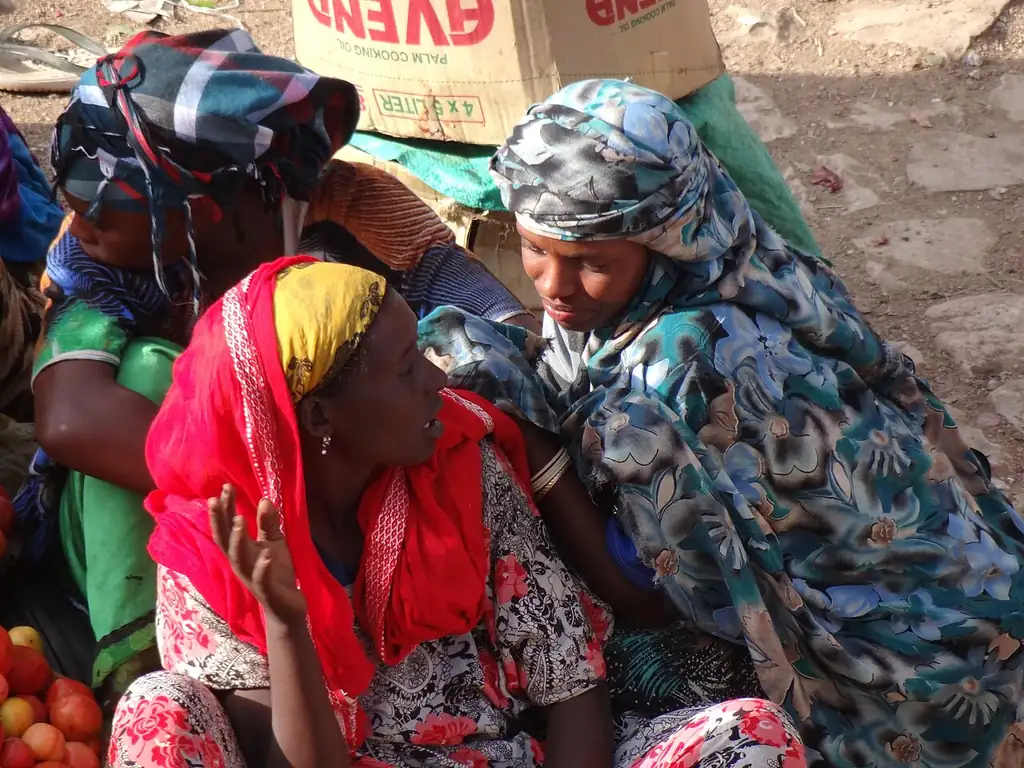
In the cities most people wear Western clothes day to day, but traditional dress comes out on religious days, at weddings and at celebrations. The best known is the habesha kemis, a white cotton dress with a woven border (tibeb), worn with a shawl called a netela. Men may wear a gabi, a thick blanket-like wrap, or a lighter cotton shamma.
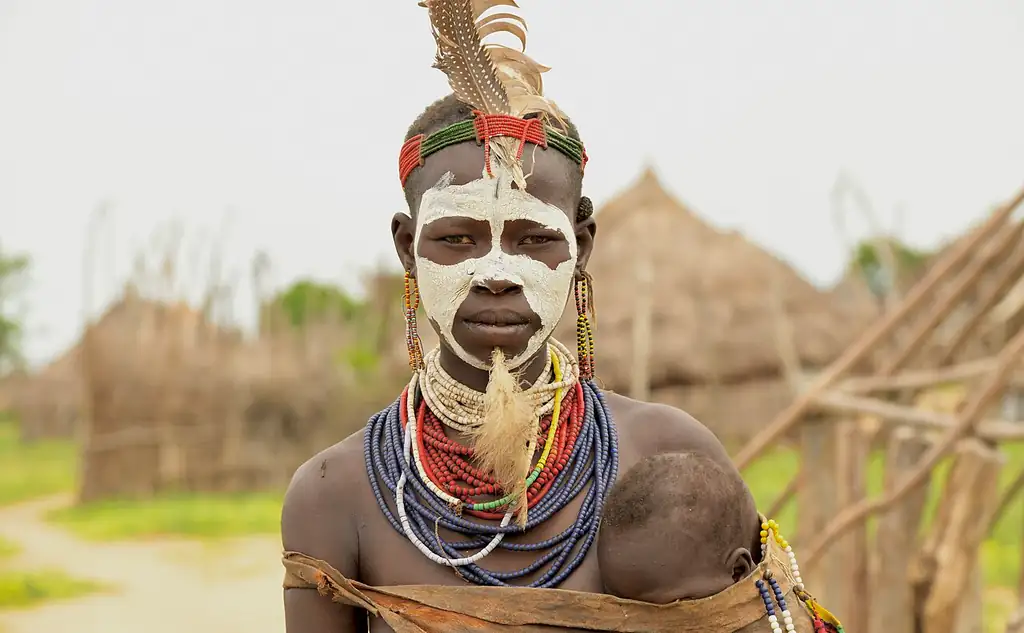
There is great variety beyond this. Colourful hand-woven cloth from Dorze, Gamo and Chencha, and the dress of the Oromo, Gurage, Tigrayan and Afar traditions all look different. Braiding (shuruba) is an art in its own right, silver crosses are worn widely, and some southern groups practise scarification and lip plates. As always, ask before photographing people.
Customs and manners
Greetings
They matter, and they are not rushed. Handshakes are common, sometimes with the left hand supporting the right forearm as a sign of respect, and friends may bump shoulders. Greet elders first.
Eating
Use the right hand only, and wash your hands before and after the meal.
Time
“Ethiopian time” often means arriving later than agreed for social events. Business meetings in the cities are more punctual.
Hospitality
A guest receives the best food and coffee. Refusing food can offend, though taking a small amount is accepted.
Gestures
Avoid pointing with a finger. Some hand gestures, including the thumbs-up, can mean different things.
Conversation
Avoid arguing about politics with people you do not know. People hold strong and varied views.
Music and dance
Ethiopian music is built on four main pentatonic modes called qenet: tizita (the sound of nostalgia), bati, ambassel and anchihoye. Together with rhythms often in 6/8 and 12/8, they give the music its unmistakable, haunting character.
The instruments are distinctive too: the krar, a lyre; the begena, a large lyre used for prayer; the masenqo, a one-string fiddle played by the azmari; the washint flute; the kebero and negarit drums; and the tsenatsel sistrum used in church. The azmari are wandering bards who improvise verses, often with wax and gold, the double-meaning wordplay that is the hallmark of Amharic poetry. You can hear them in the azmari bet music houses of Addis Ababa.
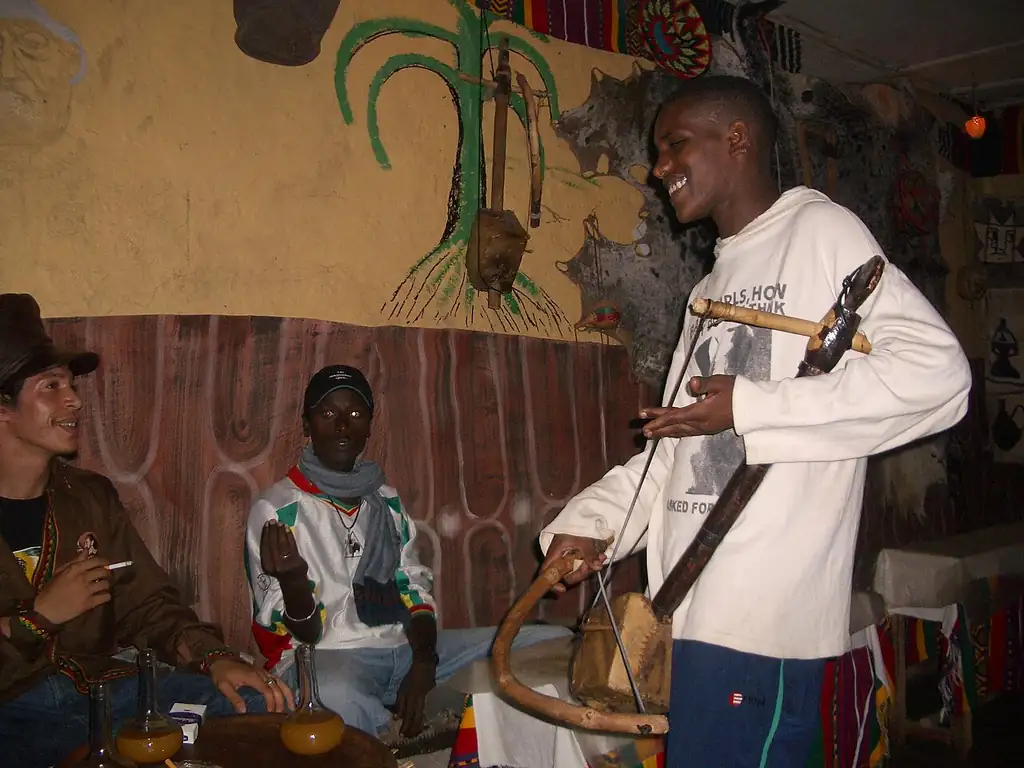
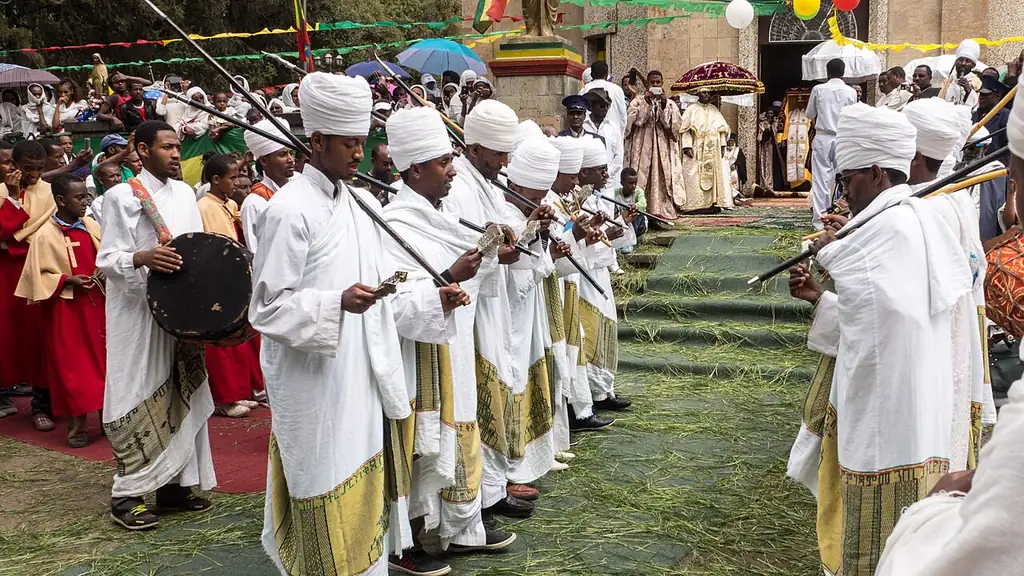
The most famous dance is eskista, a shoulder dance from Amhara, Gojjam and Tigray. The Oromo, Gurage, Afar, Somali and southern peoples all have their own dances, such as those of the Gurage, Wolayta, Konso and Bench.
Modern music
The sound that reached the world was Ethio-jazz, pioneered by Mulatu Astatke. The 1960s and 1970s, the “Swinging Addis” era, produced stars such as Mahmoud Ahmed, Alemayehu Eshete, Tilahun Gessesse and Muluken Melesse, and the Ethiopiques reissue series, begun in 1998, introduced that music to a global audience. Modern names include Aster Aweke, Teddy Afro, Gigi, Gosaye Tesfaye and Hachalu Hundessa, whose assassination in June 2020 triggered unrest in Oromia and Addis Ababa. Oromo, Tigrinya, Somali and other regional pop scenes are vibrant too.
Writing, art and film
The Ge’ez script (fidel) is an abugida in which each symbol stands for a consonant plus a vowel; Amharic uses over 200 characters. Ge’ez literature includes the Kebra Nagast and the royal chronicles, and monasteries preserved beautifully illuminated parchment gospels, with vivid paintings and, in the Gondarine style, icons with large almond eyes.
- Literature. Haddis Alemayehu’s Amharic novel Fiker Iske Mekaber, the poet Tsegaye Gabre-Medhin, Sebhat Gebre-Egziabher and Be’alu Girma. In English, Maaza Mengiste, Dinaw Mengestu and Nega Mezlekia. Oromo literature grew after the adoption of the Latin alphabet.
- Visual art. The painters Afewerk Tekle and Gebre Kristos Desta; contemporary artists Julie Mehretu and Elias Sime; and the Zoma Museum in Addis Ababa.
- Film. A small but growing industry, with Haile Gerima (Sankofa, Teza), Yared Zeleke (Lamb) and Zeresenay Mehari (Difret).
Sport
Running is a national passion and a source of immense pride. Abebe Bikila won the 1960 Olympic marathon in Rome barefoot, the first African to win Olympic gold in the event, and won again in 1964. Derartu Tulu won the 10,000 metres in 1992, the first Black African woman to become an Olympic champion. Haile Gebrselassie, Kenenisa Bekele, Tirunesh Dibaba, Meseret Defar, Almaz Ayana, Tamirat Tola, Letesenbet Gidey and Tigst Assefa, who set a women’s marathon world record in 2023, are among the best known. Long-distance training centres thrive at altitude, in Bekoji, Sululta and Addis Ababa.
 Photo coming soon
Football is hugely popular, with the Ethiopian Premier League and clubs such as Saint George SC. Ethiopia won the 1962 Africa Cup of Nations, hosted in Addis Ababa. Traditional sports include genna, the hockey-like game played at Christmas, and gugs, a horse-riding game of the Oromo and Amhara. Ritual stick fighting (donga) among the Suri in the south-west is an ongoing custom that carries a risk of serious injury and has attracted tourist attention, an ethical question for visitors.
Crafts and markets
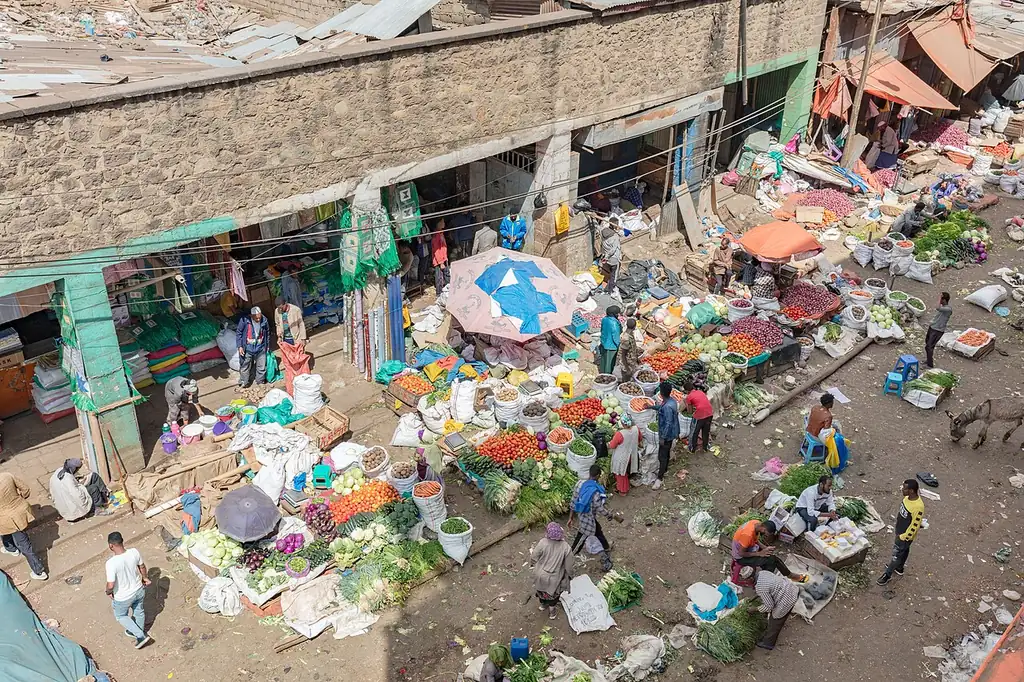
Ethiopian crafts include woven baskets (mesob), pottery, leatherwork, silver and brass crosses, woven cotton, wood carving and hand-painted icons. The Mercato in Addis Ababa is among the largest open-air markets in Africa, and Harar, Gondar and Bahir Dar have lively craft markets of their own. Weekly rural markets, such as Key Afer in the Omo area and Bati on the Afar-Amhara border, are major social events and trade hubs.
All chapters
- 01 · Country at a glance
- 02 · History & civilization
- 03 · People & society
- 04 · Religion & belief
- 05 · Culture & everyday life
- 06 · Government & institutions
- 07 · Economy & development
- 08 · Natural environment
- 09 · Travel & tourism
- 10 · Practical living guide
- 11 · Ethiopia in the world
- 12 · Knowledge & reference