
Ethiopia in the world
Ethiopia is a regional heavyweight in population, army size and diplomatic weight, and yet it is landlocked, low-income and surrounded by security concerns. This chapter looks outward: the role it plays in international organisations, its relations with each neighbour, its big partners, the movement of people in and out, and the way the world sees it.
Ethiopia’s place in the world
For a long time, Ethiopian foreign policy has revolved around three priorities: protecting sovereignty, securing access to the sea and to trade routes, and using multilateral diplomacy, especially Pan-Africanism, to gain influence beyond what the country’s wealth would suggest.
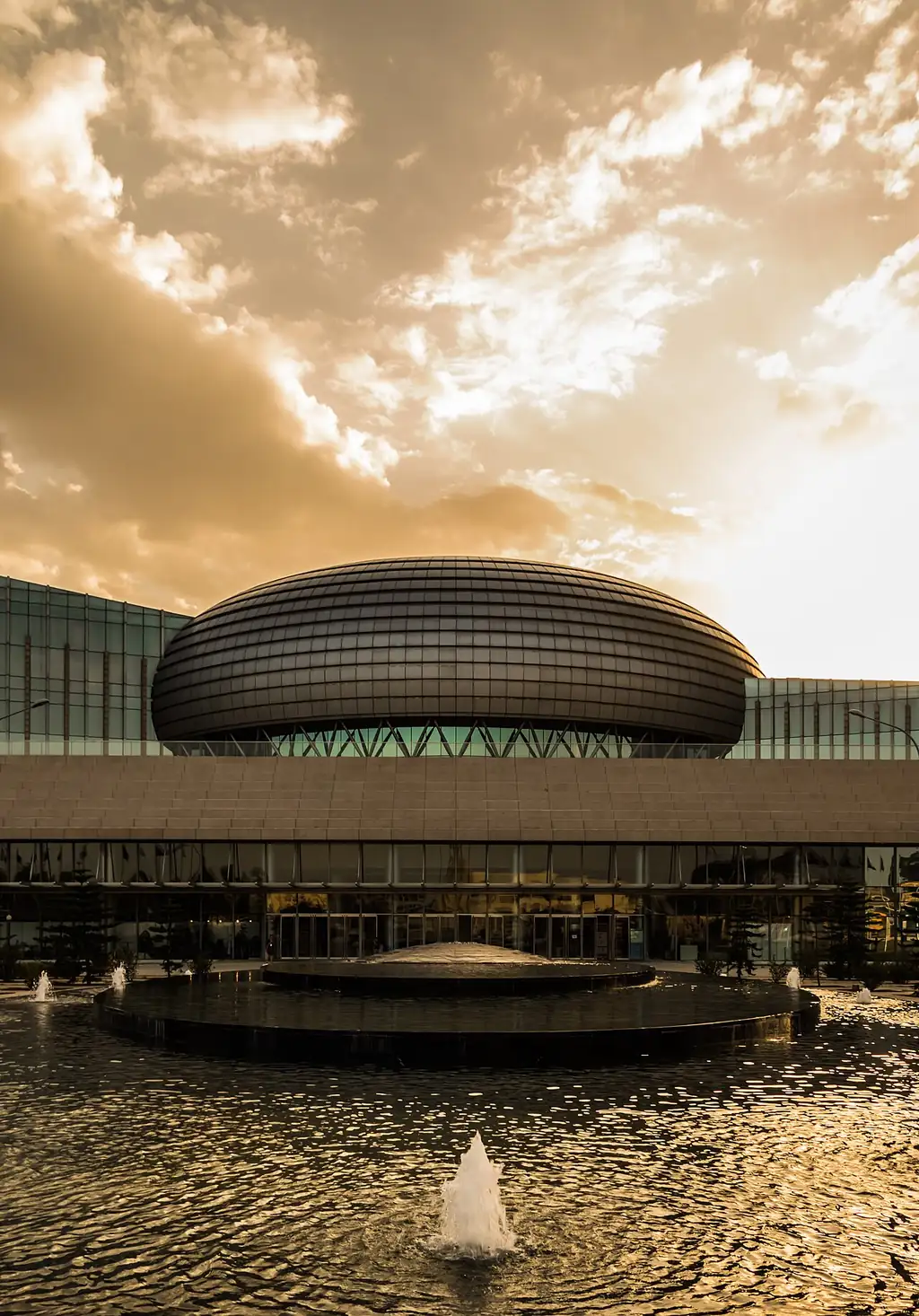
Africa’s diplomatic capital
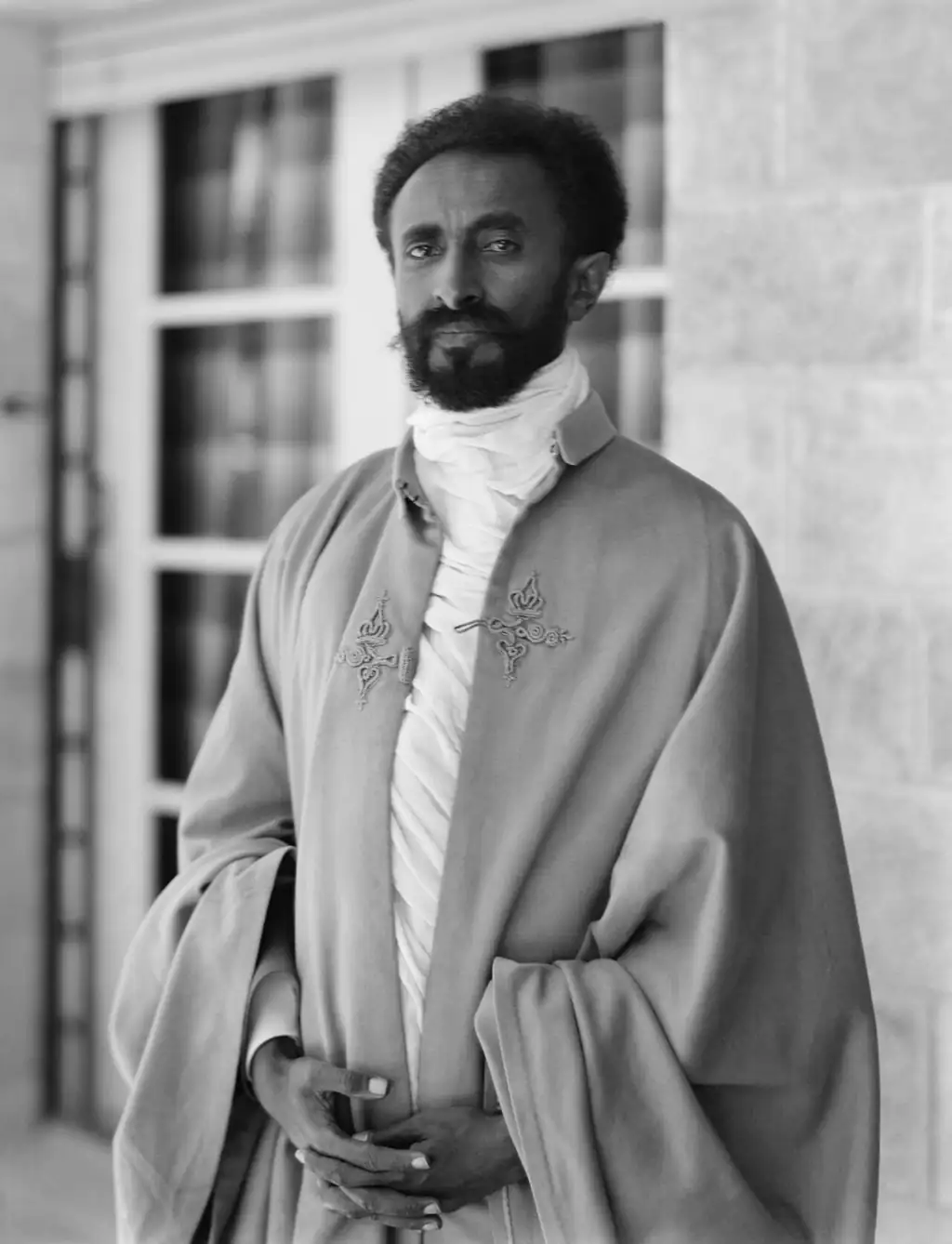
Ethiopia joined the League of Nations in 1923 and was a founding member of the United Nations in 1945. Haile Selassie’s appeal to the League after the Italian invasion in 1936 remains a symbol of the failure of collective security. Addis Ababa is the seat of the African Union, the successor to the Organisation of African Unity founded there in 1963, as well as the UN Economic Commission for Africa, many UN agencies and over 100 embassies and missions.
Peacekeeping
Ethiopia is among the top contributors to UN missions: Korea in 1951 with the Kagnew Battalion, then Congo, Liberia, Darfur, Abyei, South Sudan and Somalia. The Somali operations have also been controversial among Somalis.
BRICS
Ethiopia joined in January 2024.
Regional groups
Ethiopia belongs to IGAD and COMESA, has been negotiating to join the WTO since 2003, and has discussed joining the East African Community.
The neighbours
Ethiopia’s relations with each of its neighbours are different, and several are tense. This is a summary of the main issues.
| Country | Key issues |
|---|---|
| Eritrea | Shared history: Eritrea was federated and then annexed in 1952–62, and became independent in 1993. A border war in 1998–2000 over Badme was followed by “no war, no peace” until the 2018 peace deal. Eritrean forces fought in Tigray in 2020–22. Relations worsened again in 2023–25, with public rhetoric about Red Sea access and mutual accusations. The risk of renewed war has been widely discussed |
| Djibouti | The main trade outlet, carrying about 90% of cargo; the Addis–Djibouti railway, and water and power links. Ethiopia pays port fees and has a strong interest in the port’s stability, and its alternatives are limited |
| Somalia and Somaliland | The history of the 1977–78 Ogaden War; Ethiopian troops in Somalia against al-Shabaab; a memorandum between Ethiopia and Somaliland on sea access in January 2024, with possible recognition, which provoked a major crisis with Somalia; the Ankara Declaration (December 2024) restarted talks. Somali, Afar and other border communities share kinship ties |
| Kenya | Generally stable and cooperative relations: the Moyale border, a joint power line, the planned LAPSSET corridor, and shared concern about pastoral conflict and security |
| South Sudan | Ethiopia hosts hundreds of thousands of South Sudanese refugees in Gambela, has cross-border conflicts, and has mediated peace efforts |
| Sudan | A border dispute in the Fashaga area, cooperation and disagreement over the GERD, and since April 2023 a civil war in Sudan that has sent refugees into Ethiopia and complicated border security |
| Egypt | The Nile and the GERD. Both sides have also cooperated on some trade and diplomacy, and there is periodic tension involving Somalia, Eritrea and Sudan |
The big partners
China
The largest bilateral lender and a top trade partner. It built the Addis–Djibouti railway, industrial parks and roads. Ethiopia is now seeking to restructure Chinese debt.
United States and Europe
Long-time development and security partners and major humanitarian donors. Relations were strained after the Tigray war, with US sanctions and Ethiopia’s suspension from AGOA from January 2022, and have since been partly reset. There is a large Ethiopian diaspora in the US.
Gulf states and Turkey
Investment, loans and defence cooperation. The UAE and Saudi Arabia are major destinations for Ethiopian labour migrants, and Turkey is a major investor and drone supplier.
Russia, India, Japan and others
Trade and development finance. India is a significant exporter of medicine and importer of pulses.
Financial institutions
The World Bank, the IMF and the African Development Bank run large programmes with conditions attached.
Trade and corridors
Being landlocked makes trade costly. Roughly 90 percent of foreign trade passes through Djibouti, with growing interest in Berbera, Lamu and Port Sudan. Ethiopia exports coffee, oilseeds, gold, flowers, pulses, live animals and khat, along with electricity to Djibouti and Kenya, and imports fuel, machinery, fertiliser, vehicles and food. The African Continental Free Trade Area, which Ethiopia ratified in 2020, offers a bigger market, and WTO membership remains a long-term goal. Trade preferences matter too: the EU’s Everything But Arms scheme and the US AGOA, which was suspended in 2022, are both important to garment exporters.
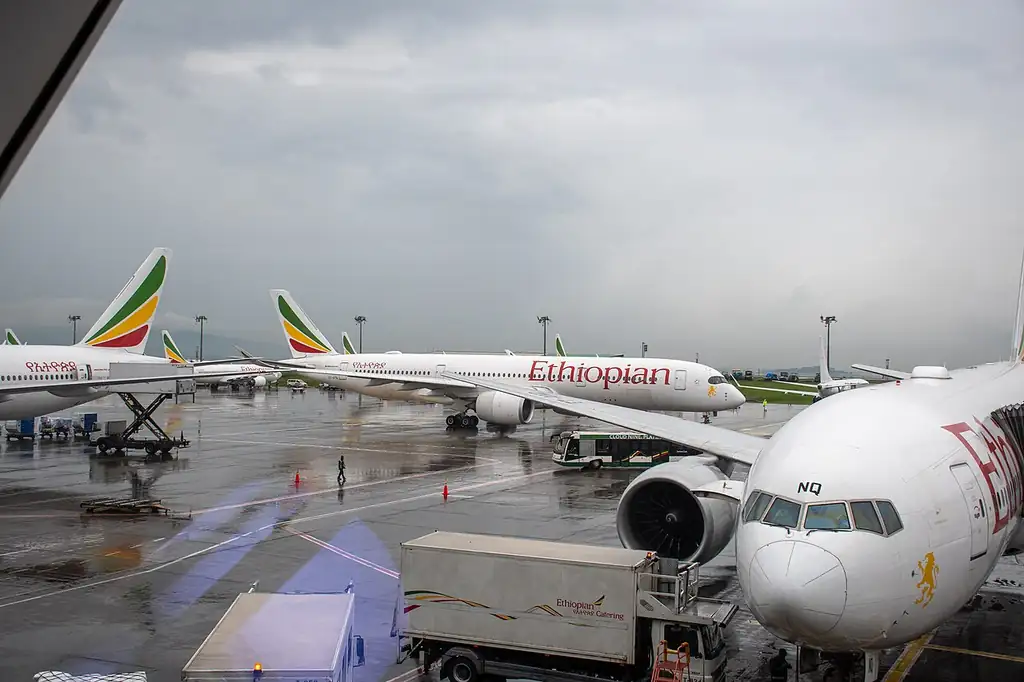
 Photo coming soon
Refugees, displacement and migration
Ethiopia is both a place people flee to and a place they leave.
A refugee host
Ethiopia hosts roughly 1 to 1.1 million refugees, about 40 percent of them South Sudanese, plus Somalis, Eritreans, Sudanese and others, one of the largest refugee populations in Africa. A 2019 law moved toward allowing refugees to work and move freely, though implementation is partial and international funding has declined.
Displaced at home
Millions of Ethiopians were displaced by conflict, drought and floods between 2018 and 2024. Estimates vary widely, with some counts at roughly 3 to 4 million or more at the peak, with many in Tigray, Amhara, Oromia, Afar, Somali and the Gedeo–Guji areas.
Leaving the country
Labour migration, regular and irregular, is large, especially among young people and women. It follows three main routes:
- The Eastern route, through Djibouti and Yemen to Saudi Arabia, is dangerous, with documented abuse and detention.
- The Southern route goes through Kenya and Tanzania to South Africa.
- The Northern route runs through Sudan and Libya towards Europe.
Saudi Arabia deported hundreds of thousands of Ethiopians in 2013–14 and again in recent years. Ethiopia lifted a ban on labour migration in 2018 and now regulates formal migration to the Gulf under bilateral agreements. Remittances are an important source of foreign currency, with a significant informal share, and return and reintegration has become an important area of work for the IOM and Ethiopian programmes.
Water diplomacy
The Nile basin includes 11 countries. The 2010 Cooperative Framework Agreement (Entebbe) was signed by upstream states, rejected by Egypt and Sudan, and entered into force in 2024 after enough ratifications. The Declaration of Principles on the GERD (2015) set general rules, but there is no binding agreement on filling and operation. The perspectives of both sides are in the economy chapter.
Soft power and image
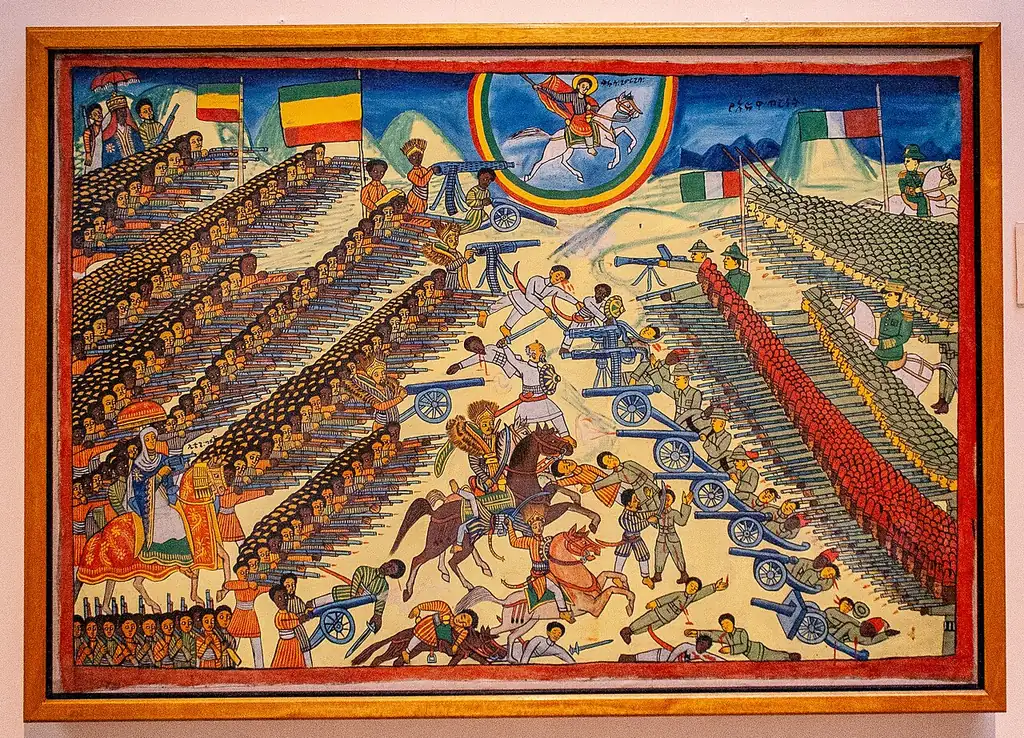
Ethiopia’s victory at Adwa in 1896 and its “never colonised” narrative gave it moral standing in Pan-Africanism and in the Rastafari movement, in which Haile Selassie is revered as divine, a view not held by Ethiopian Orthodox Christians. Shashamane in Oromia hosts a Rastafari community.
Ethiopian Airlines, athletes, coffee and Ethio-jazz are known around the world, and so, unfortunately, are the images of the 1980s famine, a stereotype that many Ethiopians reject as incomplete. The country promotes the digital sector, the creative industries and tourism, through campaigns such as “Visit Ethiopia” and city projects such as the Addis corridor and Unity Park, some of which have been criticised for displacement and cost.
All chapters
- 01 · Country at a glance
- 02 · History & civilization
- 03 · People & society
- 04 · Religion & belief
- 05 · Culture & everyday life
- 06 · Government & institutions
- 07 · Economy & development
- 08 · Natural environment
- 09 · Travel & tourism
- 10 · Practical living guide
- 11 · Ethiopia in the world
- 12 · Knowledge & reference