
Travel & tourism
Ethiopia offers things you cannot find anywhere else in Africa: medieval churches carved into rock, giant stone obelisks, a walled Muslim city, a volcanic desert at the lowest point on the continent and mountains full of animals that exist nowhere else. This chapter helps you choose where to go, when to go, and how to get around, honestly and with realistic expectations.
Safety first: check current advisories
Why visit
Ethiopia is not an easy, polished beach-and-safari destination, and it does not try to be. It suits curious, flexible travellers. Infrastructure outside the cities is basic, distances are large, and things sometimes go wrong. In return you get living medieval Christianity, ancient monuments, deep food and coffee traditions, extraordinary landscapes and a calendar full of colourful festivals.
The historic north
This is the classic route, and it is a journey through a thousand years of Christian history.
Lalibela
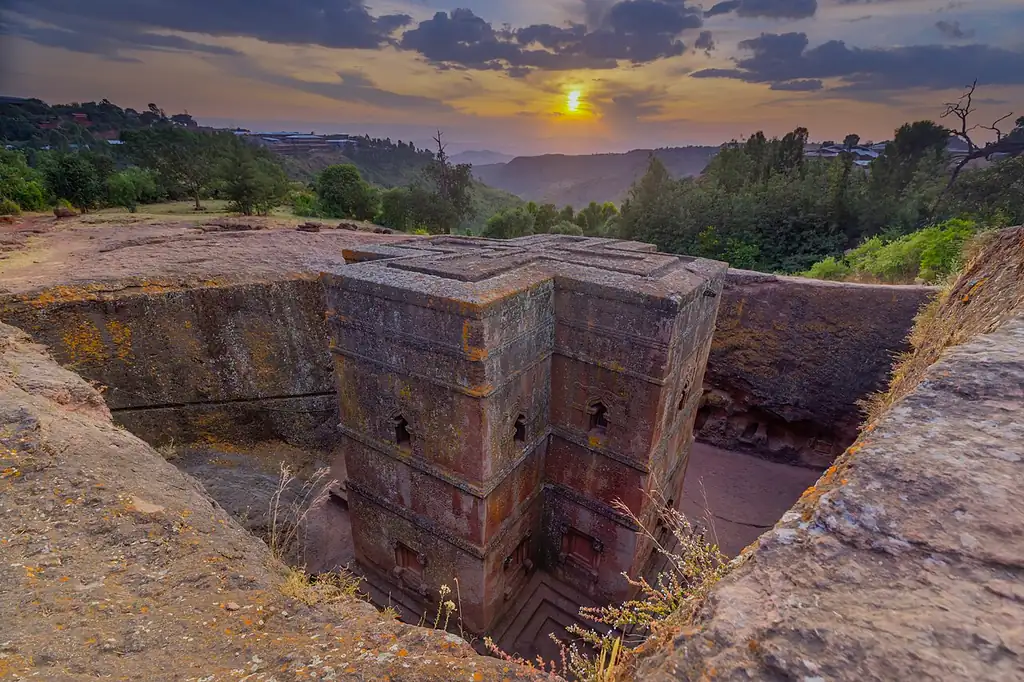
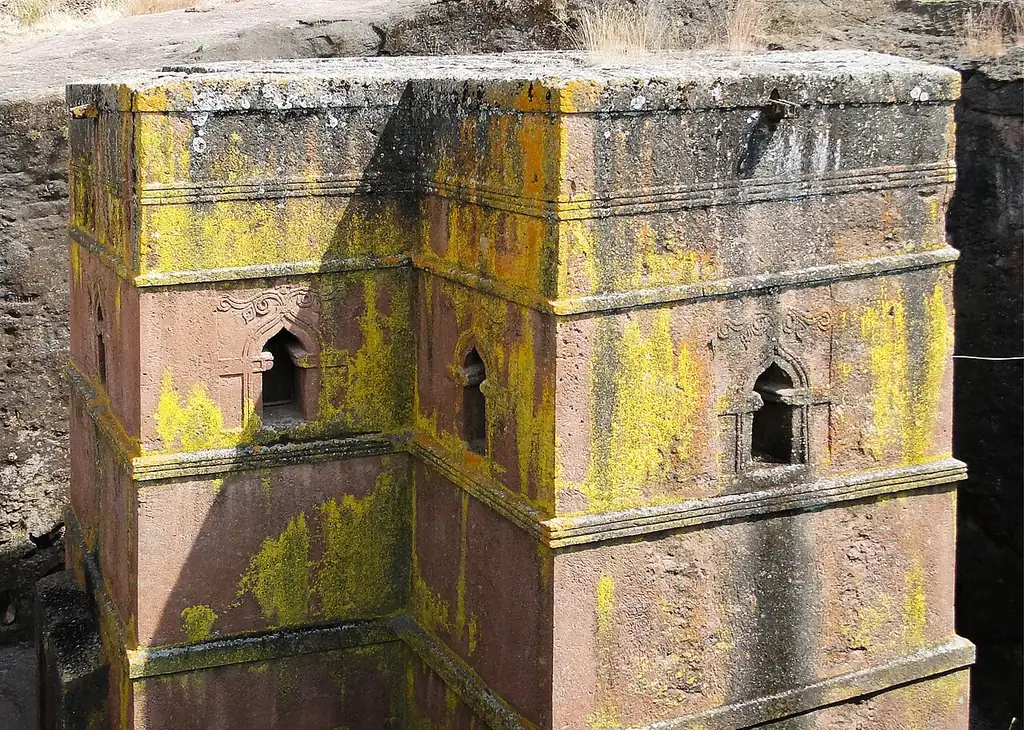
Eleven monolithic churches carved downward out of the rock in the 12th and 13th centuries, including the cross-shaped Bete Giyorgis. A World Heritage site since 1978, at about 2,500 m. It is at its best at Genna (7 January) and Timkat. Fly in from Addis Ababa.
Aksum
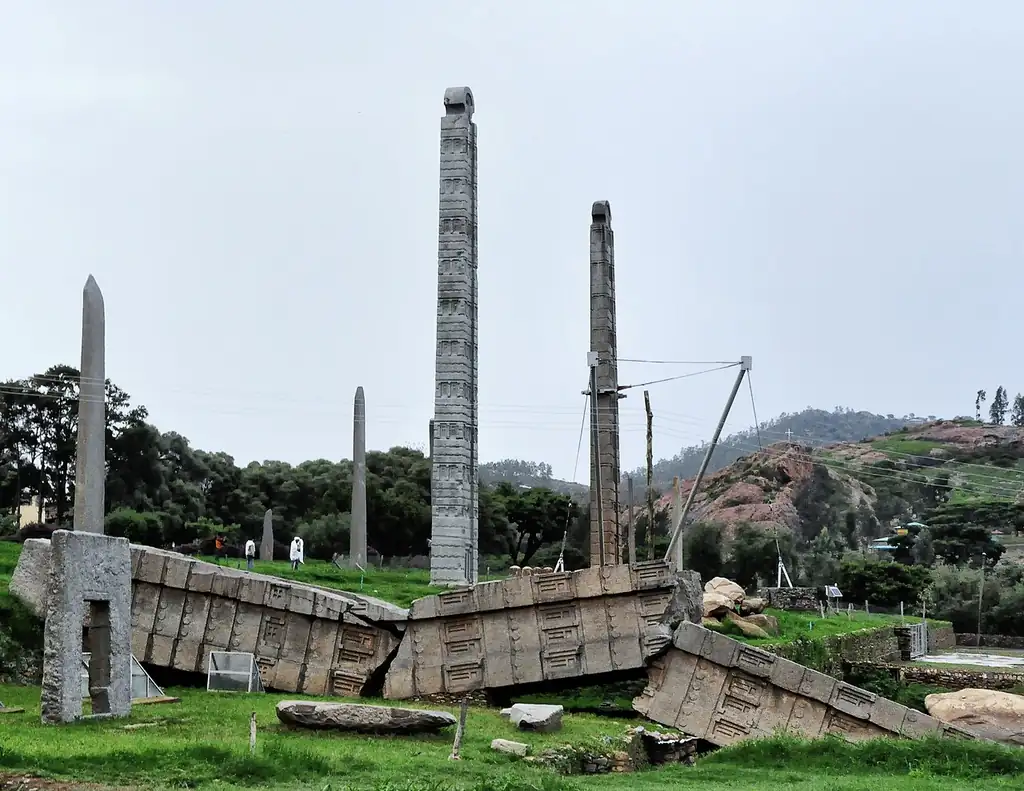
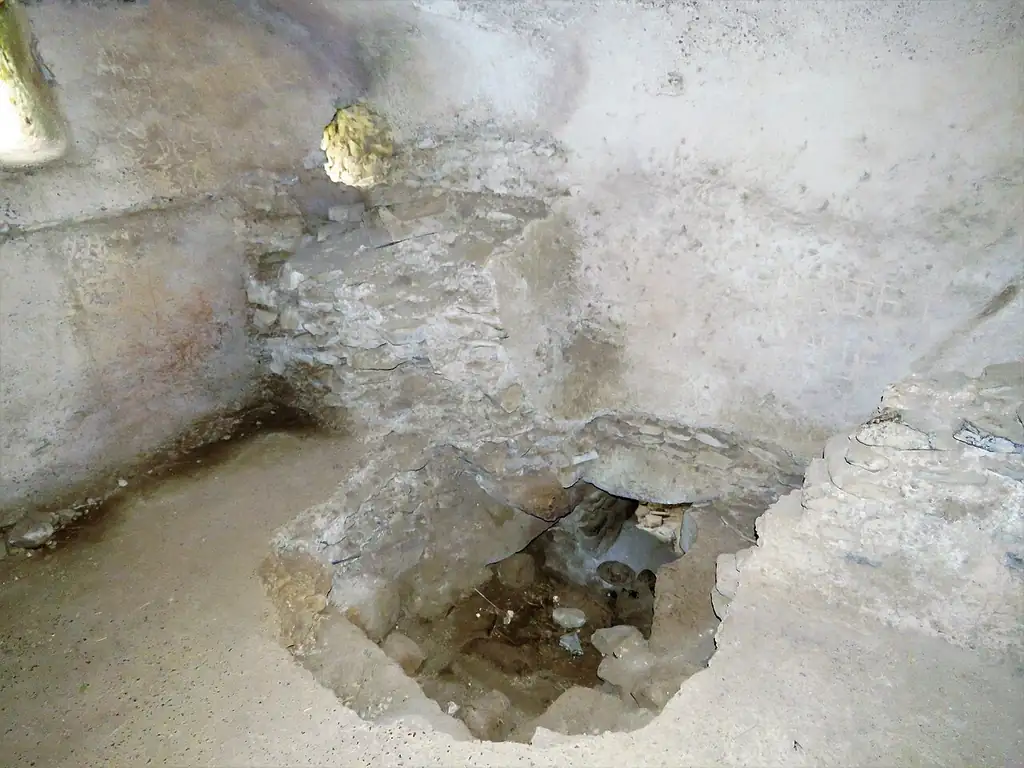
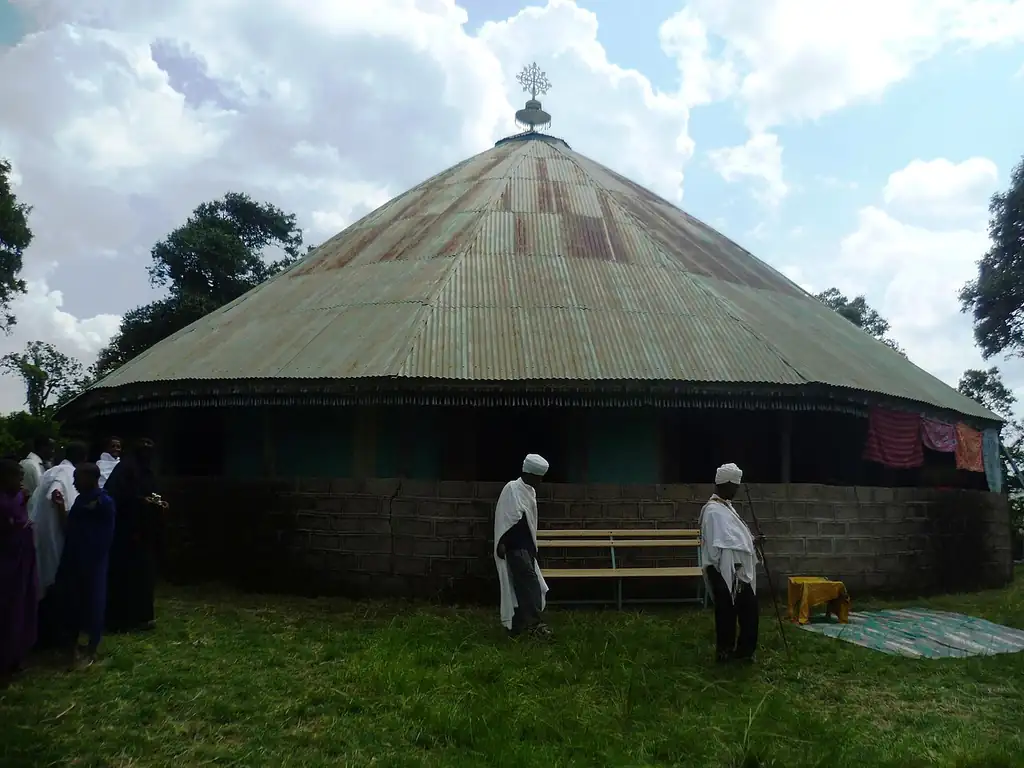
Giant carved stelae, tombs, the Church of Our Lady Mary of Zion with its Ark tradition, the so-called Queen of Sheba’s bath, and nearby Yeha, the oldest standing stone temple. World Heritage since 1980. Access was affected by the 2020–22 war, so check conditions.
Gheralta and the Tigray rock churches
Abuna Yemata Guh, a church you reach by climbing a cliff, Maryam Korkor and many more. A guide and a head for heights are required.
Gondar
The 17th-century castles of Fasil Ghebbi, the church of Debre Berhan Selassie with its ceiling of painted angels, and Fasilides’ Bath, the centre of Timkat. World Heritage since 1979.
Lake Tana and Bahir Dar
Island monasteries such as Ura Kidane Mehret and Narga Selassie, the outlet of the Blue Nile, and the Tis Abay falls, now reduced by hydropower and best in the rainy season.
Simien Mountains
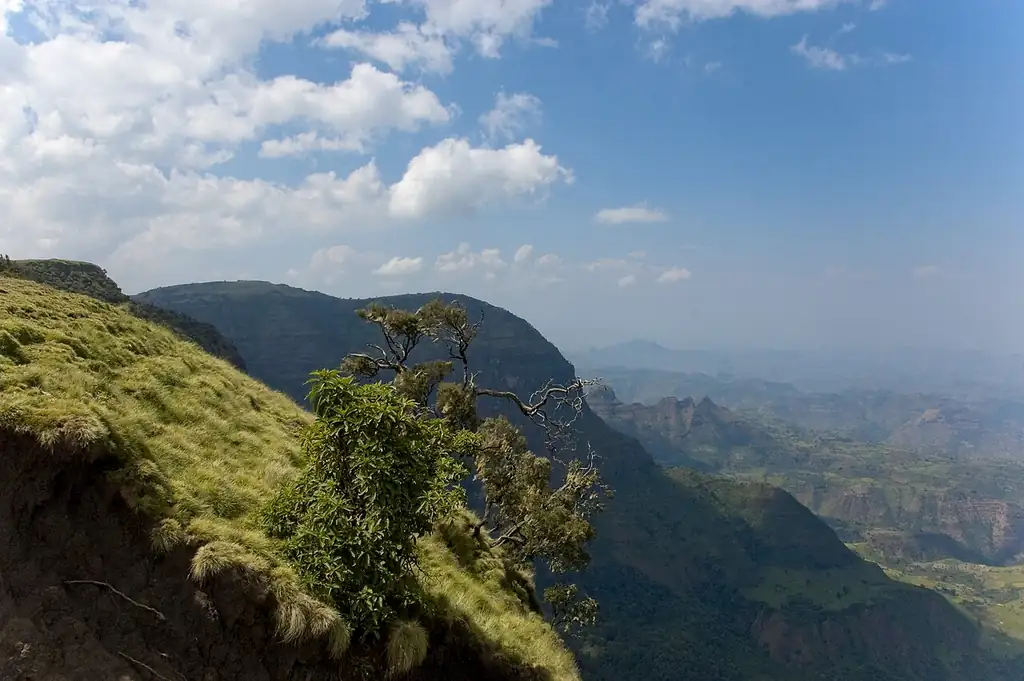
Trekking for 2 to 6 days, gelada, Walia ibex and dramatic cliffs, with camps at Chenek and Geech. Permits and a scout are required.
Also worth knowing: Wollo, Lasta and Debre Libanos, with Sufi shrines, monasteries and scenic escarpments. Debre Libanos is a day trip from Addis Ababa, near the Blue Nile gorge.
The east and the Danakil
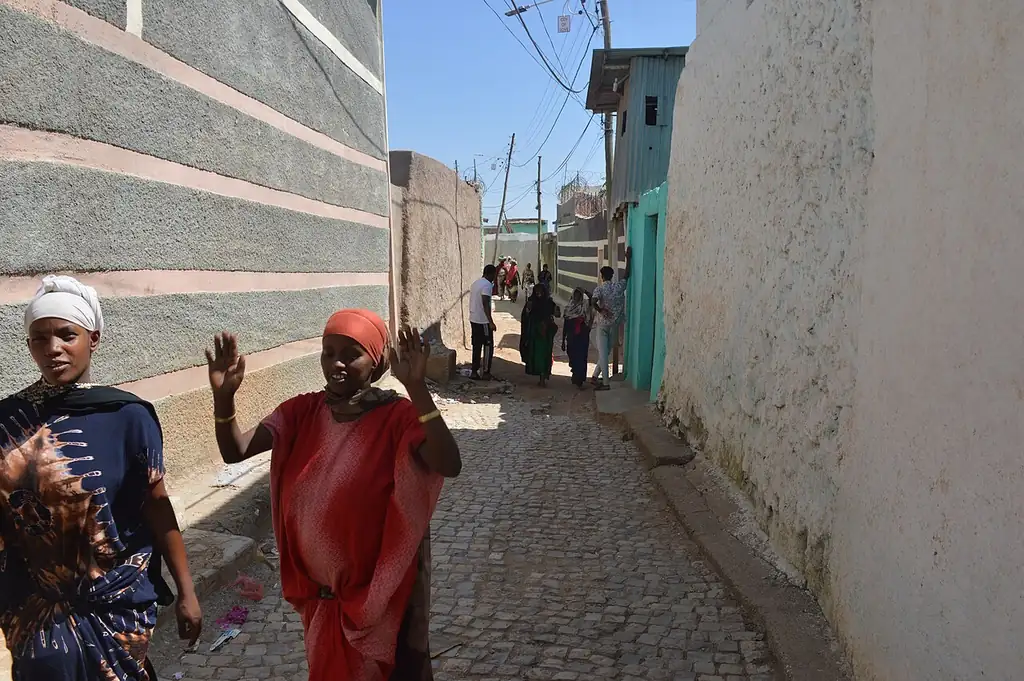
Harar is a walled city, Jugol, a World Heritage site since 2006, with some 368 alleys, more than 80 mosques, brightly painted houses, the house of the poet Rimbaud, a lively market and the evening tradition of feeding wild hyenas at the city gates. Dire Dawa’s Kefira market and the Sof Omar caves are close by. Nearer Addis, Awash National Park and the Fantale crater, with Lake Beseka and hot springs, are a gateway to Afar.
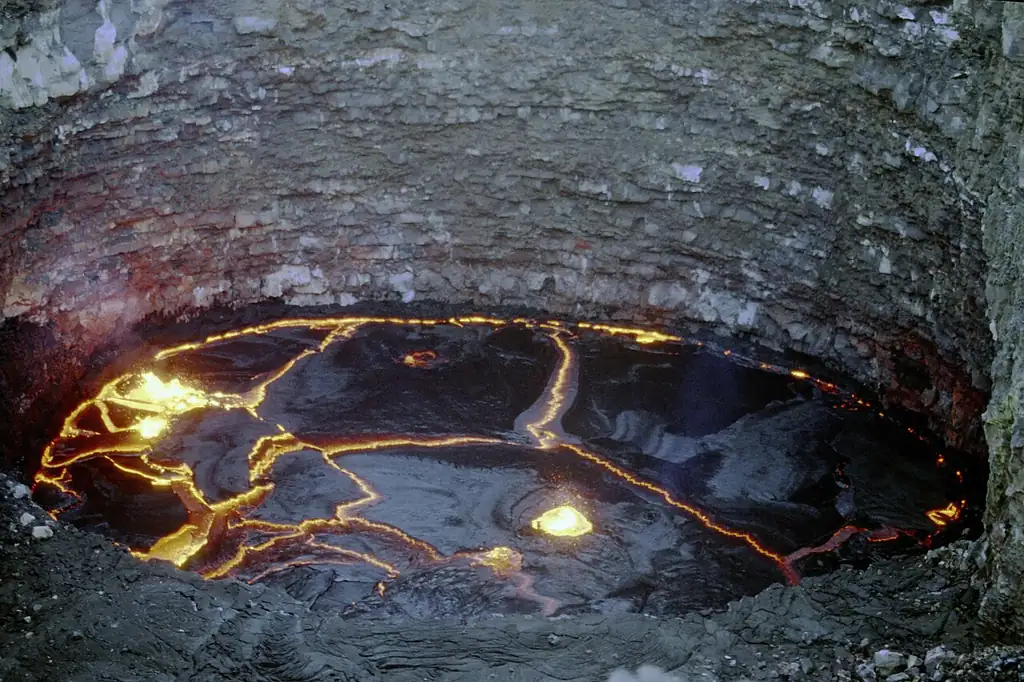
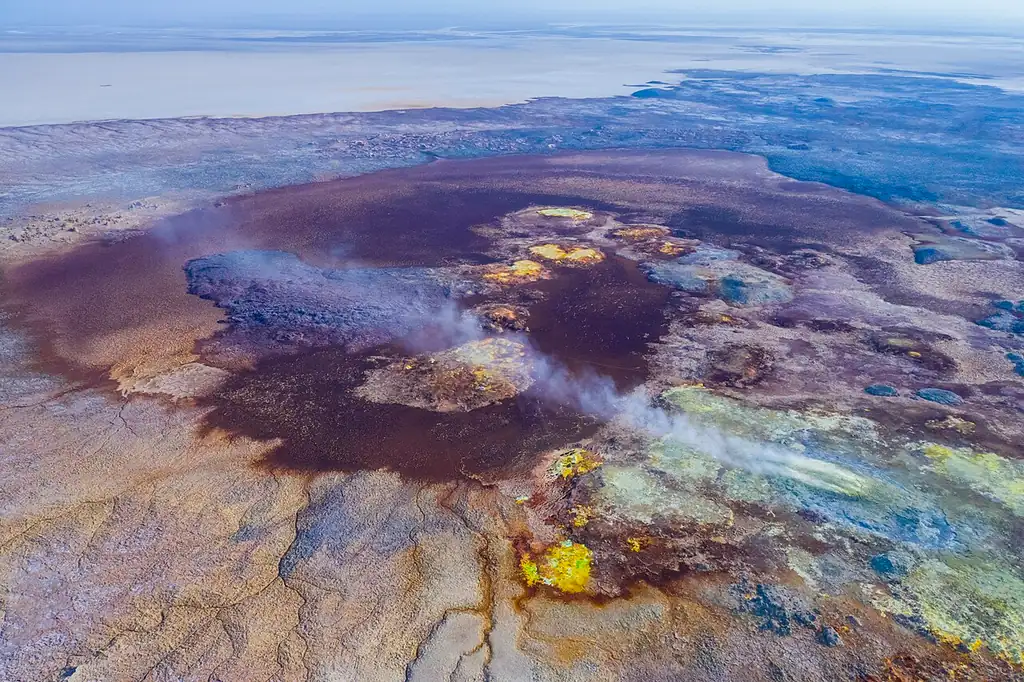
The Danakil Depression in Afar is something else entirely: Erta Ale, an active lava lake; Dallol, with coloured sulphur and salt formations; Lake Afrera; and salt caravans. It is among the hottest, harshest and most remote terrain on Earth. It can only be visited with an authorised tour operator, a military escort and a 4WD convoy, and it has been closed at times for security reasons. The cooler months, November to March, are the only sensible time.
The south and the Rift Valley
Rift Valley lakes
Ziway, Langano, Hawassa, Abaya and Chamo, with birdlife and hot springs, plus the Bishoftu crater lakes near Addis and Wenchi crater lake.
Bale Mountains
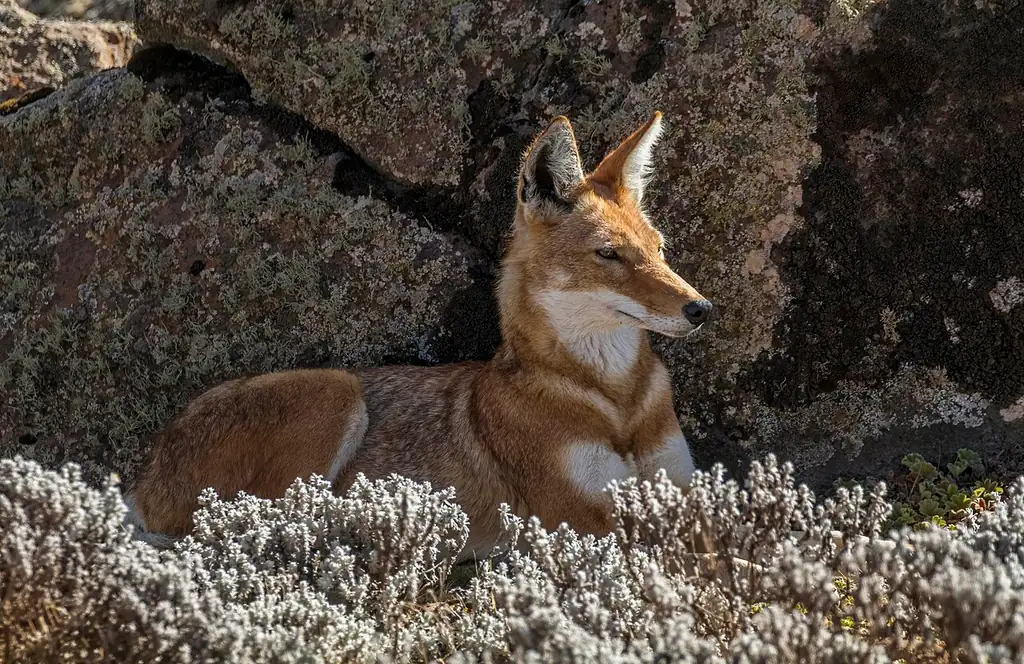
The Sanetti Plateau (a road climbs to 4,000 m), the Ethiopian wolf, the Harenna forest and Dinsho. Good for trekking and wildlife.
Arba Minch and Nechisar
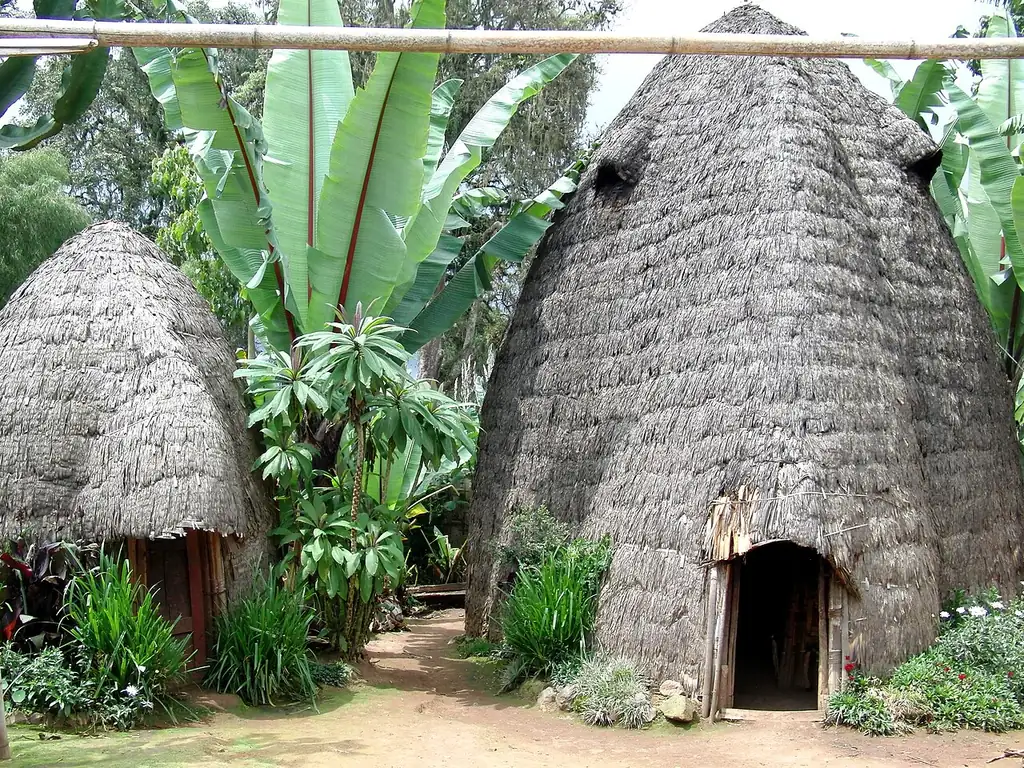
The Forty Springs, Lakes Abaya and Chamo, and the highland Dorze villages, known for weaving and bamboo houses.
Konso and the Omo Valley
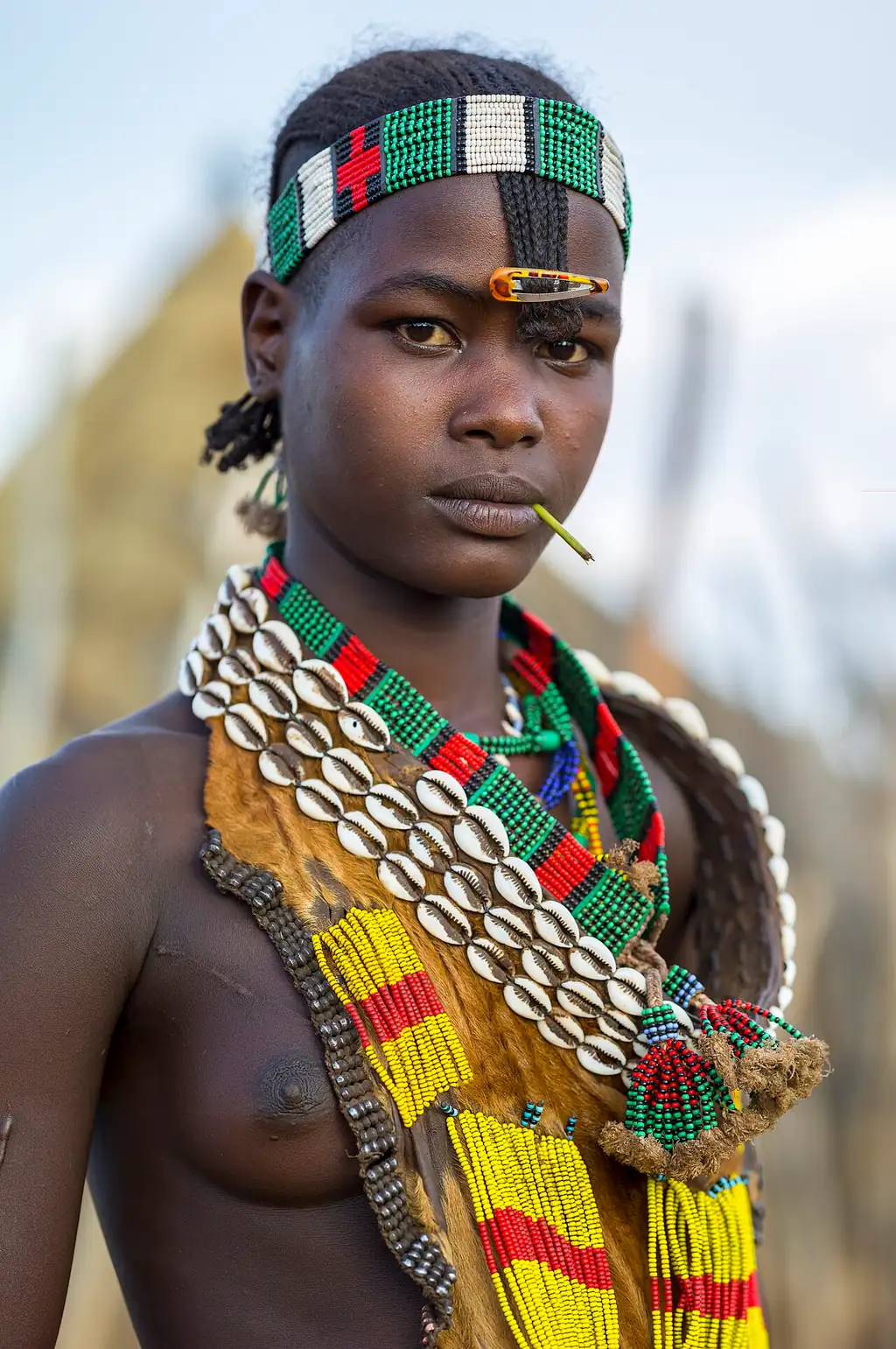
The Konso Cultural Landscape (UNESCO, 2011) with stone terraces and wooden grave markers, and the peoples of the Omo Valley: Hamer, Mursi, Karo, Dassanech, Suri and others.
Tiya, Melka Kunture and Gedeo
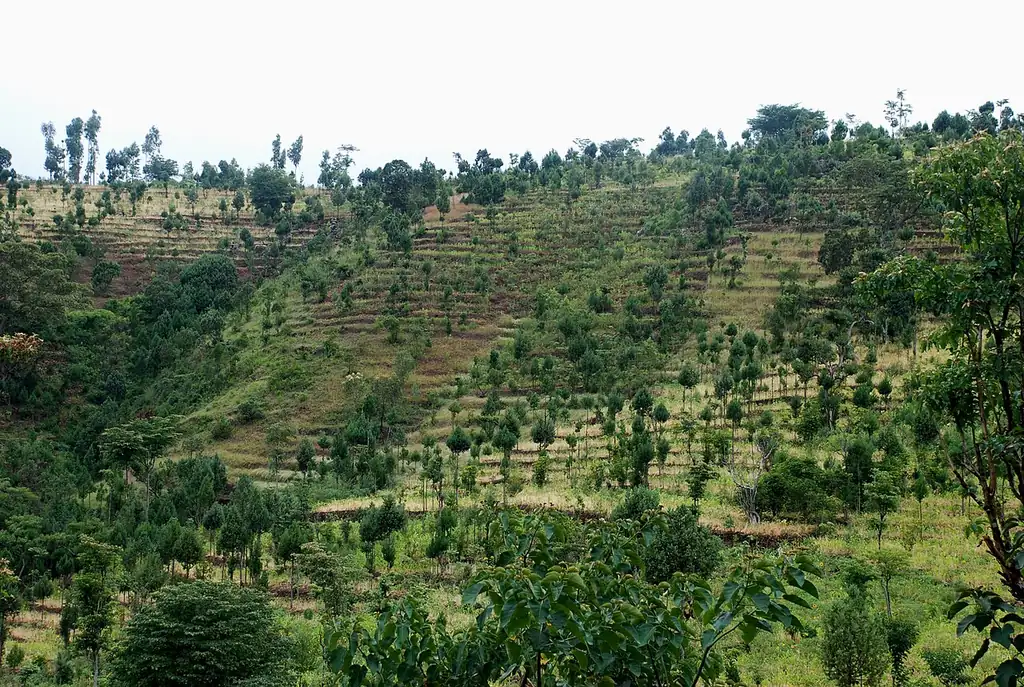
Tiya (UNESCO, 1980) is a field of carved standing stones; Melka Kunture (UNESCO, 2023) an early Stone Age site; and the Gedeo Cultural Landscape (UNESCO, 2023) near Dilla combines agroforestry and coffee.
Kafa and Jimma
The wild coffee forests, the Kafa Biosphere Reserve, and the palace of Abba Jifar in Jimma.
Addis Ababa
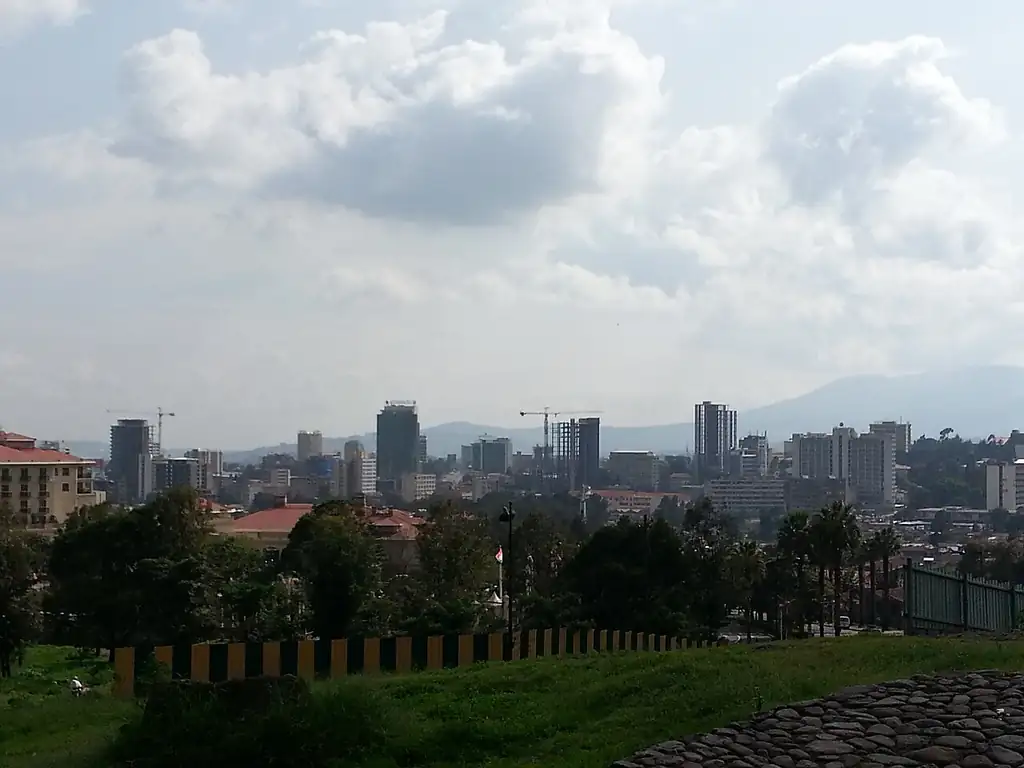
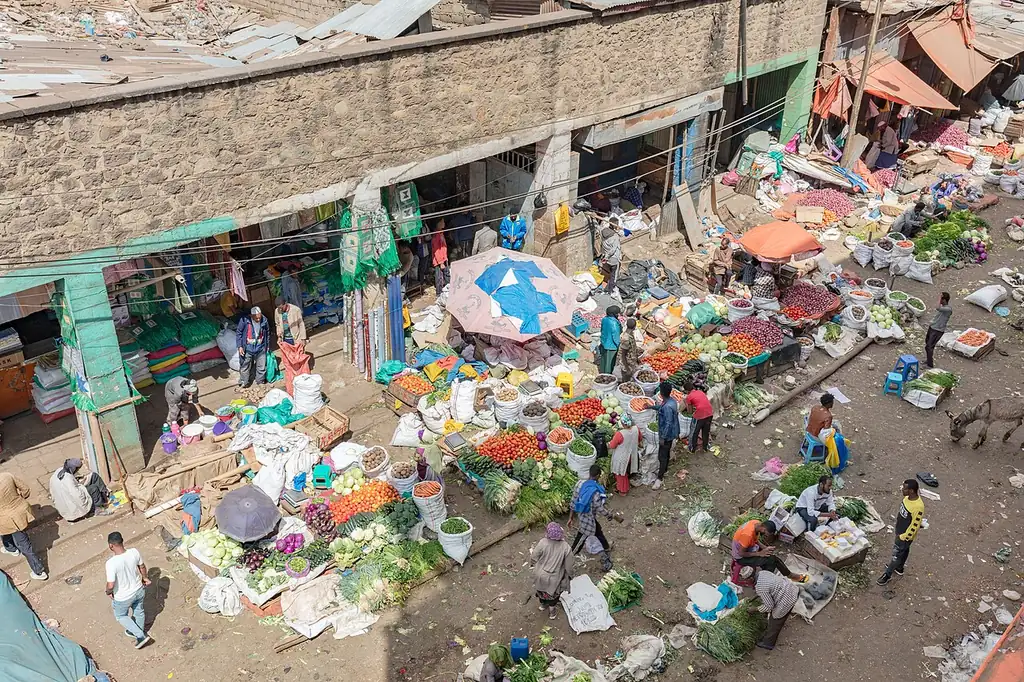
You will almost certainly land in Addis Ababa, and it deserves a day or two. The National Museum has a replica of Lucy, and the original is shown on occasion. The Ethnological Museum is housed in Haile Selassie’s former palace at Addis Ababa University. Others include the Red Terror Martyrs’ Memorial Museum, Holy Trinity Cathedral, Saint George’s Cathedral and its museum, the Mercato, the Entoto hills (the historic first capital), Unity Park (the restored Menelik palace compound), Friendship Park and Meskel Square.
In the evening, the city comes alive with azmari bet music houses, jazz clubs, coffee shops and restaurants. The best neighbourhoods for visitors are Bole, Kazanchis, Piassa, Sar Bet and Arat Kilo. Addis is also the seat of the African Union and many embassies.
When to go and how long to stay
The seasons for visitors
| Period | What to expect |
|---|---|
| October to March | Dry season; best for trekking and the north; most of the big festivals (Meskel, Genna, Timkat). The countryside is green after the rains in October |
| April to May | Hot in the lowlands, with occasional short rains; good for birding in the south |
| June to September | The main rains (kiremt); green highlands, some difficult roads, lower prices. Avoid the Omo Valley in heavy rain; the Danakil is too hot from May to September |
| Danakil | November to March, the cooler months |
Suggested itineraries
| Length | Route |
|---|---|
| 5–6 days | Addis Ababa, fly to Lalibela, fly back, then day trips to Bishoftu, Debre Libanos or the Rift Valley |
| 10 days, historic north | Addis, Bahir Dar (Lake Tana and the Blue Nile), Gondar, a Simien trek, Lalibela, Addis. Aksum is an optional add-on if it is safe |
| 10–12 days, south | Addis, Rift Valley lakes, Arba Minch and Dorze, Konso, the Omo Valley, Jinka, then fly back |
| 7–8 days, nature | Addis, Bale Mountains, Rift Valley lakes, Awash National Park |
| 14+ days | Combine the historic north with the south or Harar. Consider the Danakil only with a reputable operator |
For festivals and what they celebrate, see the holidays calendar and the religion chapter.
Getting there and getting around
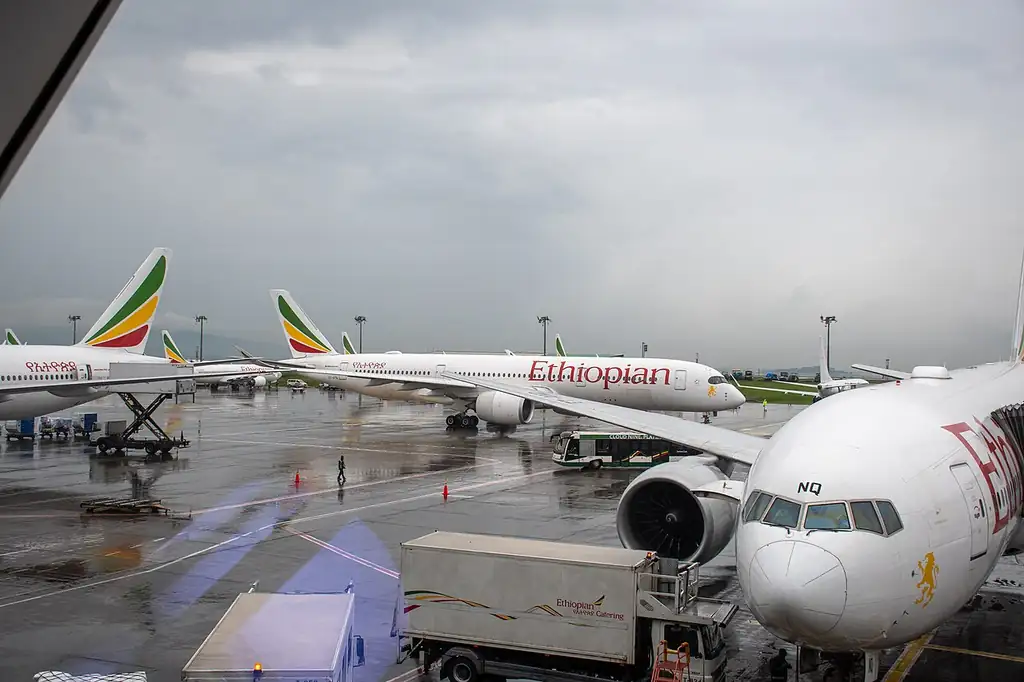
- Arrival. Bole International Airport in Addis Ababa is a major African hub, and Ethiopian Airlines links it to over 100 destinations. A larger new airport near Bishoftu is planned.
- Visas. Most visitors need one. The e-Visa (evisa.gov.et) is the standard route for tourism and business. Rules and fees change, so check eligibility. A yellow-fever certificate is required if you arrive from a risk country.
- Domestic flights. Ethiopian Airlines serves Lalibela, Gondar, Bahir Dar, Aksum, Dire Dawa, Jimma, Arba Minch, Jinka and more. Foreigners’ tickets may be priced in US dollars, and flights should be booked ahead, especially around festivals.
- By road. Buses (Selam, Sky and Awash) connect major towns, and minibuses are cheaper but crowded. A hired 4WD with a driver and guide is typical for the south and the parks. The roads are scenic but slow, and mountain passes and night driving are dangerous, so allow more time than the map suggests.
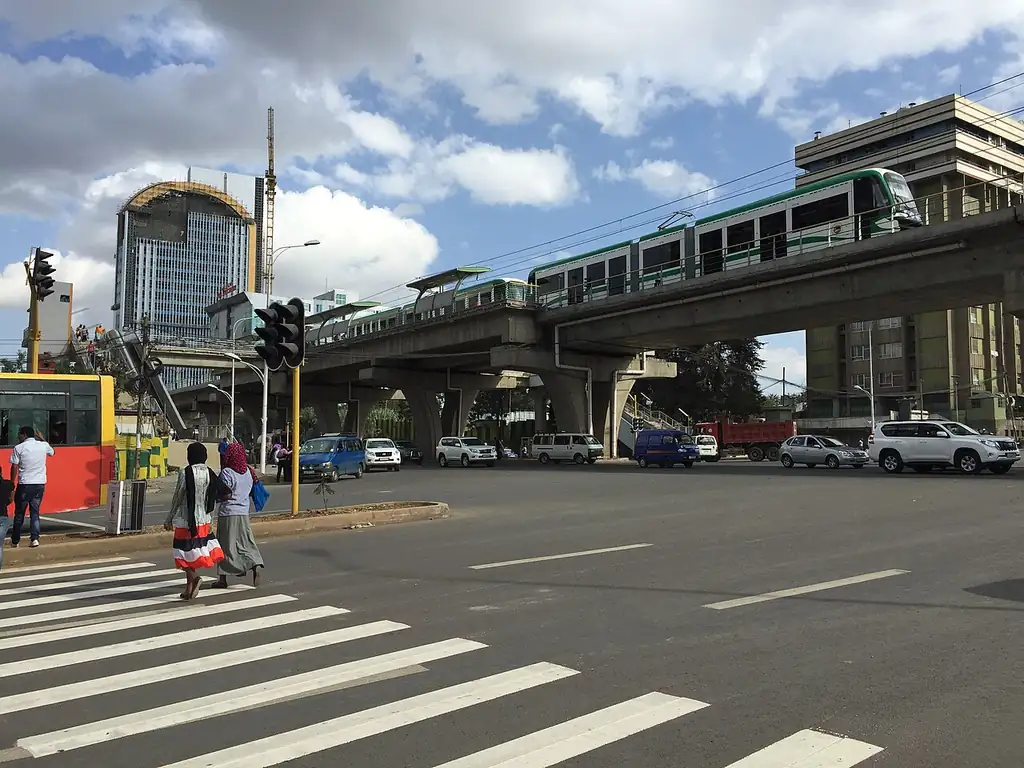
- In towns. Blue-and-white minibus taxis, ride-hailing apps (Ride, Feres, Zay Ride), the Addis light rail, three-wheeled bajaj, and horse carts (gari) in Gondar, Dire Dawa and Harar.
- Train. The Addis–Djibouti line has run mainly freight and occasional passenger service. Check the current status.
Where to stay
Addis Ababa offers everything from guesthouses to international chains (Hilton, Sheraton, Radisson Blu, Marriott and others). Lalibela, Bahir Dar, Gondar and Hawassa have lodges and mid-range hotels, and community and eco-lodges operate in the Simien, Bale and Gheralta. Power and water cuts happen, even in good hotels. Book ahead for Timkat, Meskel and Genna, and in high season (October to March). Prices are volatile, and many businesses quote foreign visitors in US dollars. Budget travellers can often find simple rooms for a few dollars, while mid-range and international hotels cost much more.
Travelling responsibly
Use local guides
Licensed guides and operators are required at some sites and parks, and they make the trip better.
Respect people
Ask before photographing anyone, and accept a refusal.
Respect faith
Dress modestly at religious sites, remove shoes, and respect fasting periods.
Buy local
Buy crafts and coffee directly. Tip about 10% in restaurants if no service charge is added, and give small change to porters and guides.
Do not give to children
Handing out gifts or cash encourages begging. Donate through reputable organisations instead.
Drones and sensitive sites
Do not fly a drone without written permission, and do not photograph military or government installations.
All chapters
- 01 · Country at a glance
- 02 · History & civilization
- 03 · People & society
- 04 · Religion & belief
- 05 · Culture & everyday life
- 06 · Government & institutions
- 07 · Economy & development
- 08 · Natural environment
- 09 · Travel & tourism
- 10 · Practical living guide
- 11 · Ethiopia in the world
- 12 · Knowledge & reference