
Knowledge & reference
The last chapter is a reference shelf. Here you will find a timeline of the main events, a table of key statistics, a glossary of words you will meet in Ethiopia, a list of notable people, the questions on which credible sources disagree, and a guide to further reading. It is meant to be dipped into rather than read straight through.
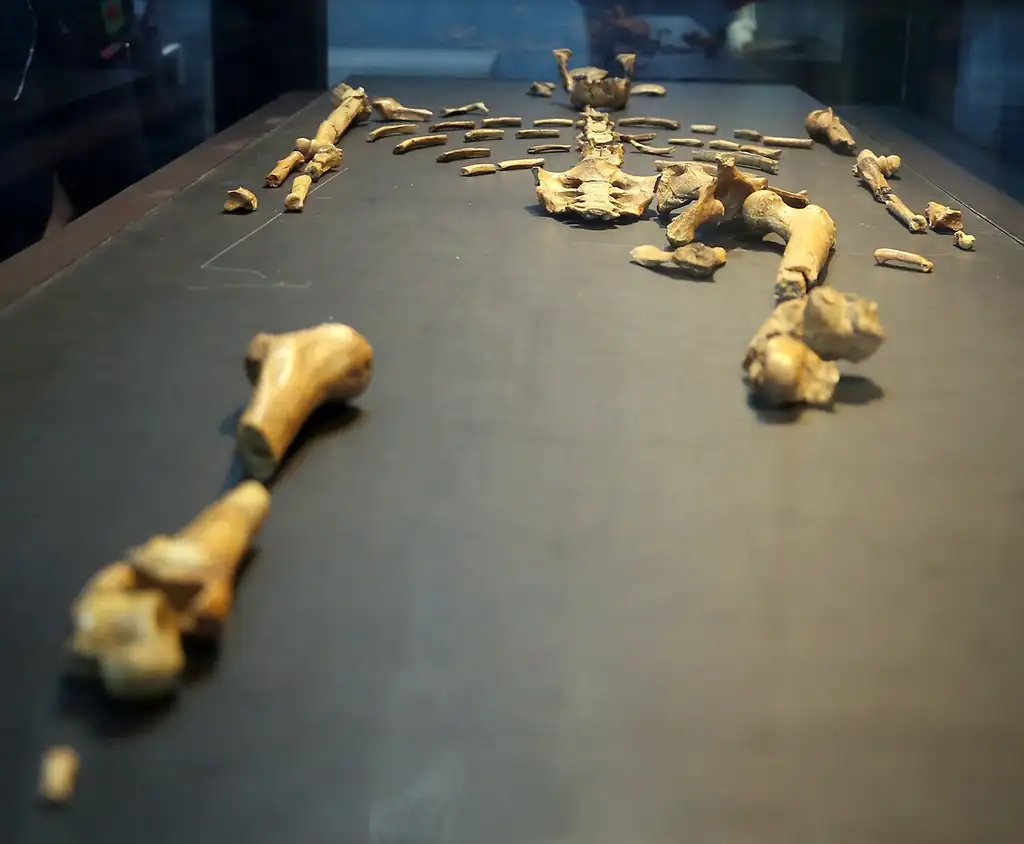
Timeline
From the first hominins to the present. The story is told in more detail in History & civilization.
- ~4.4 to 3.2 million years agoArdi, Selam and Lucy: hominin fossils in the Afar region
- ~233,000 years agoThe Omo Kibish remains of early Homo sapiens (re-dated in 2022)
- c. 980–400 BCEThe kingdom of D’mt
- c. 100–940 CEThe kingdom of Aksum
- c. 330s CEEzana adopts Christianity
- 615 CEThe first Hijra to Aksum
- c. 1137–1270The Zagwe dynasty and the Lalibela churches
- 1270The Solomonic dynasty begins under Yekuno Amlak
- 1529–43The Ethiopian–Adal war
- 1636Gondar is founded
- 1769–1855Zemene Mesafint, the Era of the Princes
- 1855–68Tewodros II
- 1872–89Yohannes IV
- 1886Addis Ababa is founded
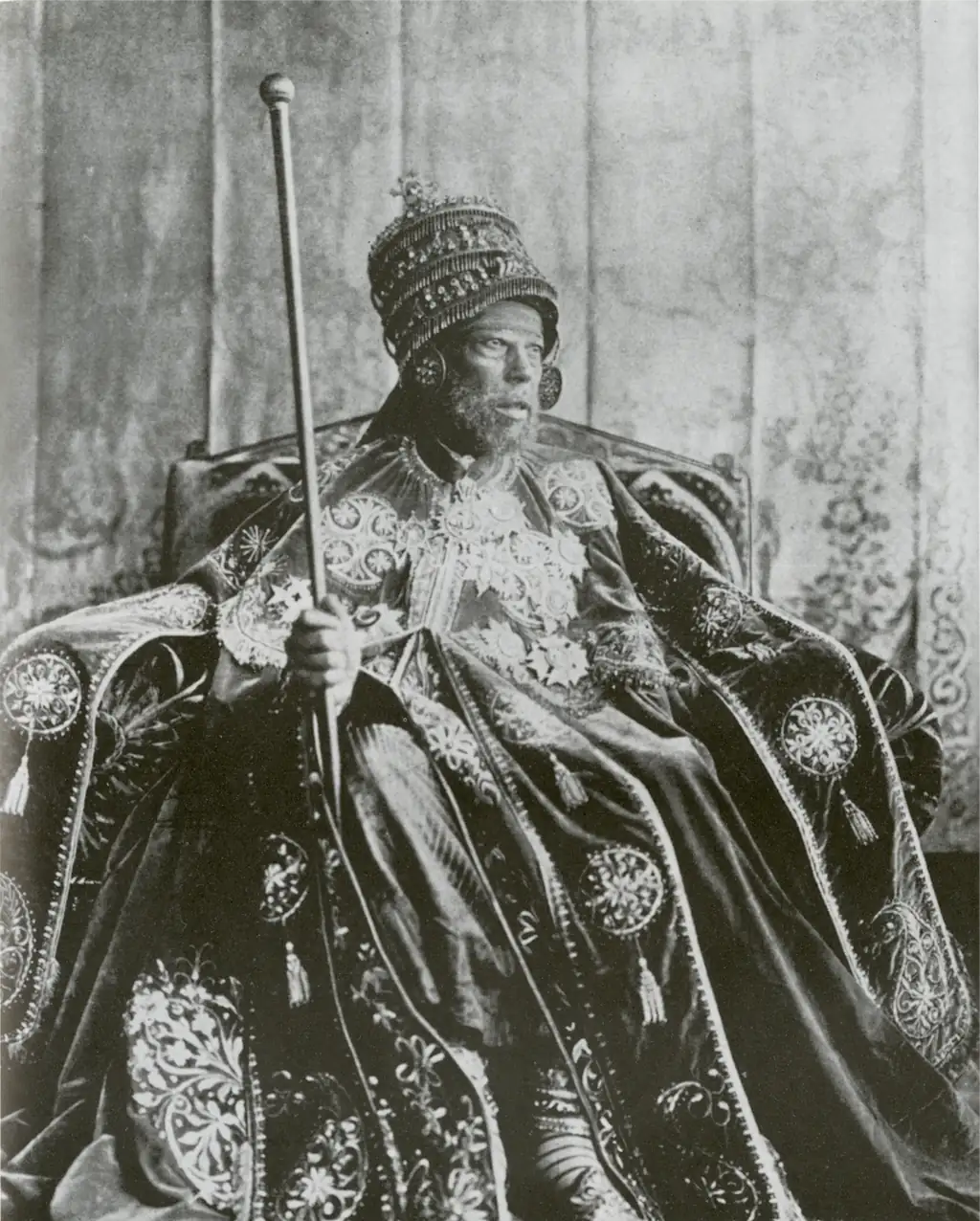
- 1889–1913Menelik II; the Treaty of Wuchale (1889)
- 1 March 1896The Battle of Adwa
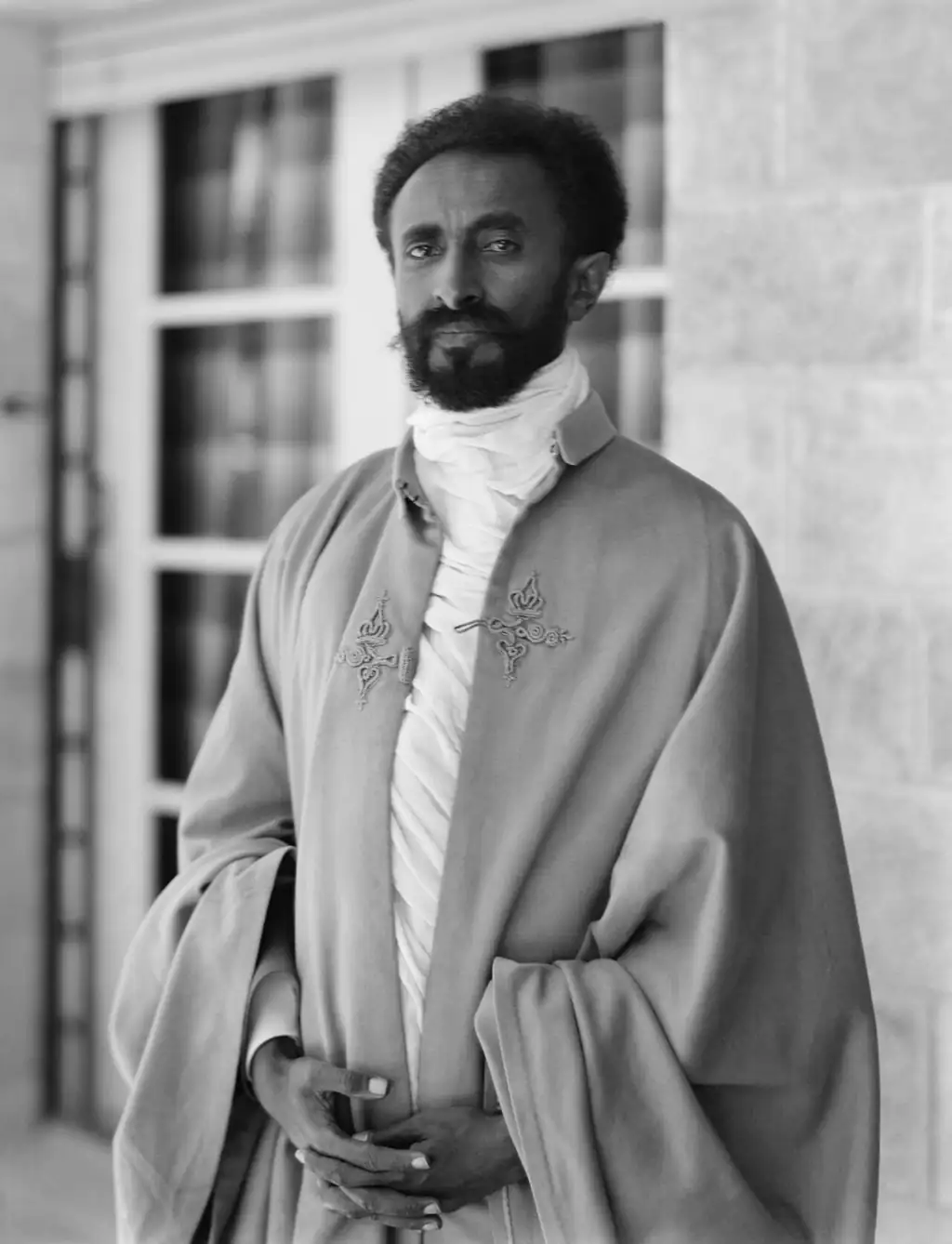
- 1930Haile Selassie is crowned
- 1931The first written constitution
- 1935–41The Italian invasion and occupation
- 1945Ethiopia becomes a founding member of the UN
- 1952–62Eritrea is federated and then annexed
- 1963The Organisation of African Unity is founded in Addis Ababa
- 1974Revolution; the Derg takes power; Lucy is found
- 1977–78The Red Terror and the Ogaden War
- 1983–85Famine
- 1991The EPRDF takes power and the Derg ends
- 1993Eritrean independence
- 1995A new constitution and the federal republic
- 1998–2000The Ethiopia–Eritrea war
- 2005A disputed election and violence
- 2011–2025Construction of the GERD, inaugurated in September 2025
- 2018Abiy Ahmed becomes Prime Minister; peace with Eritrea
- 2019The Nobel Peace Prize; the Prosperity Party is formed
- 2020The Sidama region is created; the Tigray war begins in November
- 2021The general election in June; the South West region is created
- 2 November 2022The Pretoria Agreement
- 2023The Amhara conflict begins; Central and South Ethiopia regions are created
- 2024BRICS membership, the Somaliland memorandum, the birr float and IMF programme
- 2026The seventh general election was scheduled
Key statistics
| Indicator | Value | Source type |
|---|---|---|
| Population | ~125–135 million (2024–25 estimate) | UN, World Bank |
| Area | 1,104,300 km² | Government, CIA, UN |
| GDP | ~US$150–160 billion | World Bank, IMF |
| Life expectancy | ~67–68 years | UN, World Bank |
| Urban population | ~23–25% | World Bank |
| Under-5 mortality | ~40–50 per 1,000 (down from ~200 in 1990) | UNICEF, DHS |
| Fertility | ~4 births per woman | DHS |
| Internet users | ~20–25% of the population | ITU, GSMA |
| Electricity access | ~50–55% | World Bank |
| Highest point | Ras Dejen, 4,550 m | Survey |
| Lowest point | Danakil / Dallol, about −125 m | Survey |
| World Heritage sites | 12 | UNESCO |
| Refugees hosted | ~1–1.1 million | UNHCR |
Glossary
Words you will hear, read and eat in Ethiopia.
| Term | Meaning |
|---|---|
| Abay | The Amharic name of the Blue Nile |
| Abun / Abuna | The head of the Ethiopian Orthodox Church (formerly appointed from Alexandria; now the “Patriarch”) |
| Azmari | A minstrel who improvises sung verses |
| Berbere | The spice blend at the heart of Ethiopian cooking |
| Birr | The currency; the word also means “silver” |
| Buna | Coffee |
| Derg (Dergue) | “Committee”: the military regime of 1974–91 |
| Dega / Woina dega / Kolla / Wurch | The altitude and climate zones |
| Equb | A rotating savings association |
| Fano | Amhara “volunteer fighters”, now an umbrella for armed groups in Amhara |
| Fidel | The Ge’ez script |
| Gada | The Oromo generation-based system of governance |
| Ge’ez | An ancient Semitic language and the liturgical language of Orthodox Christians |
| Habesha | A term used by highland Semitic-speaking peoples for themselves; used by some as an overarching term and rejected by others |
| Iddir | A community burial and mutual-aid association |
| Injera | The fermented flatbread, usually of teff |
| Kebele | The lowest administrative unit |
| Kiremt / Bega / Belg | The main rainy season, the dry season and the short rains |
| Neftegna | A historical term for the northern settler-soldiers (“riflemen”) in the south; used as a pejorative by some |
| Qubee | The Latin script of Afaan Oromoo |
| Tabot | The replica of the Ark’s tablets in every Orthodox church |
| Teff | The fine-grained cereal Eragrostis tef |
| Tewahedo | “Made one”: the Church’s theology of the unity of Christ |
| Woreda | A district; the third-level administrative unit |
| Zemene Mesafint | The “Era of the Princes”, 1769–1855 |
Notable people
| Name | Known for |
|---|---|
| Ezana of Aksum (4th c.) | The king who adopted Christianity |
| Lalibela (12th–13th c.) | The Zagwe king associated with the rock churches |
| Zera Yacob (1599–c.1692) | Philosopher, author of the Hatata |
| Ahmad Gragn (c.1506–43) | The Adal imam who campaigned in Ethiopia |
| Tewodros II (1818–68) | The reunifying emperor |
| Menelik II (1844–1913) | The victor at Adwa and the founder of Addis Ababa |
| Empress Taytu Betul (c.1851–1918) | Co-ruler with Menelik and key at Adwa |
| Haile Selassie I (1892–1975) | The last emperor and a founder of the OAU |
| Abebe Bikila (1932–73) | Olympic marathon champion |
| Mulatu Astatke (b. 1943) | The father of Ethio-jazz |
| Haile Gebrselassie (b. 1973) and Kenenisa Bekele (b. 1982) | Distance-running champions |
| Derartu Tulu, Tirunesh Dibaba, Meseret Defar | Olympic champions |
| Meles Zenawi (1955–2012) | Prime Minister, 1995–2012 |
| Mengistu Haile Mariam (b. 1937) | The Derg leader |
| Sahle-Work Zewde (b. 1950) | President 2018–24, the first woman in the post |
| Abiy Ahmed (b. 1976) | Prime Minister since 2018 and Nobel laureate in 2019 |
| Tedros Adhanom Ghebreyesus (b. 1965) | Director-General of the WHO since 2017 |
| Maaza Mengiste, Dinaw Mengestu, Haddis Alemayehu | Authors |
| Bethlehem Tilahun Alemu | Entrepreneur (SoleRebels) |
| Liya Kebede | Model and designer |
| Aster Aweke, Teddy Afro, Mahmoud Ahmed, Tilahun Gessesse | Singers |
Where credible sources disagree
Good reference writing admits uncertainty. These are the questions on which serious sources differ, and why this guide uses ranges and labels disputed claims.
- Population and ethnic shares since 2007, and the lack of a new census.
- Casualty figures for the Tigray war (2020–22), the Red Terror, the 1983–85 famine and the Ethiopia–Eritrea war.
- The 19th-century southern expansion: the consolidation of an ancient state, or colonial-style conquest.
- “Never colonised”: true in the sense that there was no lasting colonial rule, but Italy occupied Ethiopia in 1936–41, and Eritrea was an Italian colony from 1890 to 1941.
- The Solomonic origin story and the Ark of the Covenant: a tradition of faith, set against historical evidence.
- Ethnic federalism: stabilising or destabilising.
- Elections: the legitimacy of recent votes and the political space.
- The GERD: a development necessity or a downstream risk.
- Forest cover and the Green Legacy numbers.
- Boundaries between regions and the status of Addis Ababa.
- Wheat self-sufficiency and growth statistics claimed by the government, against independent estimates.
Sources and further reading
This guide was written from general knowledge of the kinds of sources listed below, and has not been checked line by line against each one. Please verify anything important before relying on it for travel, legal, medical or investment decisions.
Encyclopedias and profiles
Encyclopaedia Britannica (History of Ethiopia; Ethiopia: Economy), Encyclopedia.com, the BBC News country profile and the Migration Policy Institute’s country profile.
Official and international data
The Ethiopian Statistics Service, the National Bank of Ethiopia, the Ministry of Finance, the World Bank, the IMF, the UNDP, UNHCR, IOM, UNESCO World Heritage List, WHO, FAO and the Demographic and Health Surveys.
Research and analysis
The International Crisis Group, Human Rights Watch, Amnesty International, the Ethiopian Human Rights Commission, the Rift Valley Institute and Chatham House.
Books
Harold Marcus, A History of Ethiopia; Bahru Zewde, A History of Modern Ethiopia; Christopher Clapham, Transformation and Continuity in Revolutionary Ethiopia; Donald Levine, Greater Ethiopia; and the economic and social histories of Richard Pankhurst. Merera Gudina, Asafa Jalata, Teshale Tibebu and Gebru Tareke offer varied interpretations.
All chapters
- 01 · Country at a glance
- 02 · History & civilization
- 03 · People & society
- 04 · Religion & belief
- 05 · Culture & everyday life
- 06 · Government & institutions
- 07 · Economy & development
- 08 · Natural environment
- 09 · Travel & tourism
- 10 · Practical living guide
- 11 · Ethiopia in the world
- 12 · Knowledge & reference