
Economy & development
Ethiopia has been one of the fastest-growing economies in the world for two decades, and also one of the poorest. It is a country of smallholder farmers and giant dams, of coffee exports and foreign-exchange shortages, of ambitious reforms and heavy debt. This chapter explains how the economy works, how it got here, and what is changing.
The economy in brief
Economic data for Ethiopia is revised often, and the Ethiopian fiscal year runs from 8 July to 7 July (1 Hamle to 30 Sene in the Ethiopian calendar). The figures below are rounded, drawn from the World Bank, IMF, UN and government sources, and worth checking for the latest year.
- GDP (nominal)
- ~US$150–160 billion (2023–24); it fell in dollar terms after the 2024 birr devaluation
- GDP per capita
- ~US$1,000–1,300; a low-income country close to the lower-middle threshold
- Growth
- About 9–10% a year in 2004–2019 (official); ~6–8% since, with shocks
- Sectors
- Agriculture ~35%, industry ~25% (construction is large), services ~40%
- Jobs
- Agriculture ~65–70% of employment; a large informal sector; high urban youth unemployment
- Inflation
- Above 30% in 2022–23; in the mid-teens by 2025 (check current)
- Poverty
- National headcount ~24–30%; multidimensional poverty is far higher; rural poverty is higher than urban
- Human Development Index
- ~0.5, in the low human development category
- Electricity access
- ~50–55% of the population
- Main exports
- Coffee (~25–30%), oilseeds and pulses, gold, cut flowers, live animals, khat, meat, textiles, electricity
- Main imports
- Fuel, machinery, fertiliser, vehicles, consumer goods, wheat, medicine
- Main partners
- China, UAE, Saudi Arabia, India, Turkey, the US, the EU, Somalia, Djibouti
How the economy got here
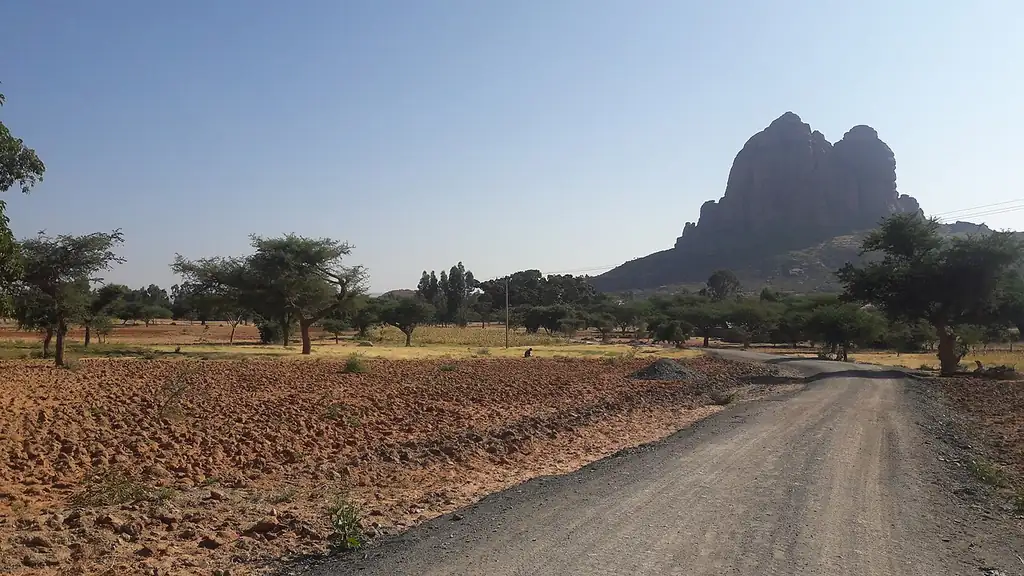
- Imperial eraSubsistence farming; land held by the nobility and the Church, with tenancy; limited industry (textiles, sugar, the Dire Dawa railway); coffee exports.
- Derg, 1974–91Land and large firms were nationalised, with state farms, collectivisation and price controls. The economy contracted and there was severe famine.
- EPRDF, 1991–2018Gradual market reforms, with the state keeping banking, telecoms, power and airlines. The “developmental state” model brought heavy investment in roads, dams, railways, universities and health extension workers, through two Growth and Transformation Plans. Growth was rapid and poverty fell, but critics noted overheated construction, a state-controlled financial sector, foreign-exchange shortages, rising debt and limited room for private business.
- Since 2018The “Homegrown Economic Reform” and the 10-Year Development Plan (2021–30): partial liberalisation of telecoms (Safaricom was licensed in 2021 and began operating in 2022), opening of banking, a share sale in Ethio Telecom, the launch of an Ethiopian Securities Exchange in 2025, fuel-price and exchange-rate reforms, and a large IMF programme (US$3.4 billion, approved in July 2024).
Farming and herding
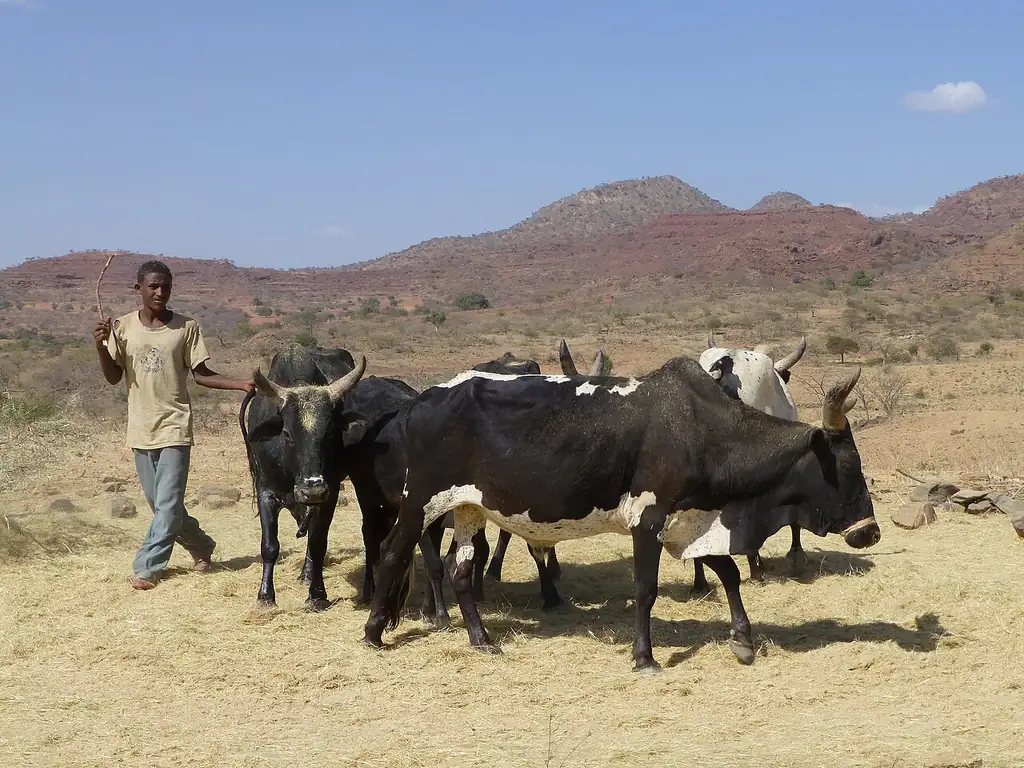
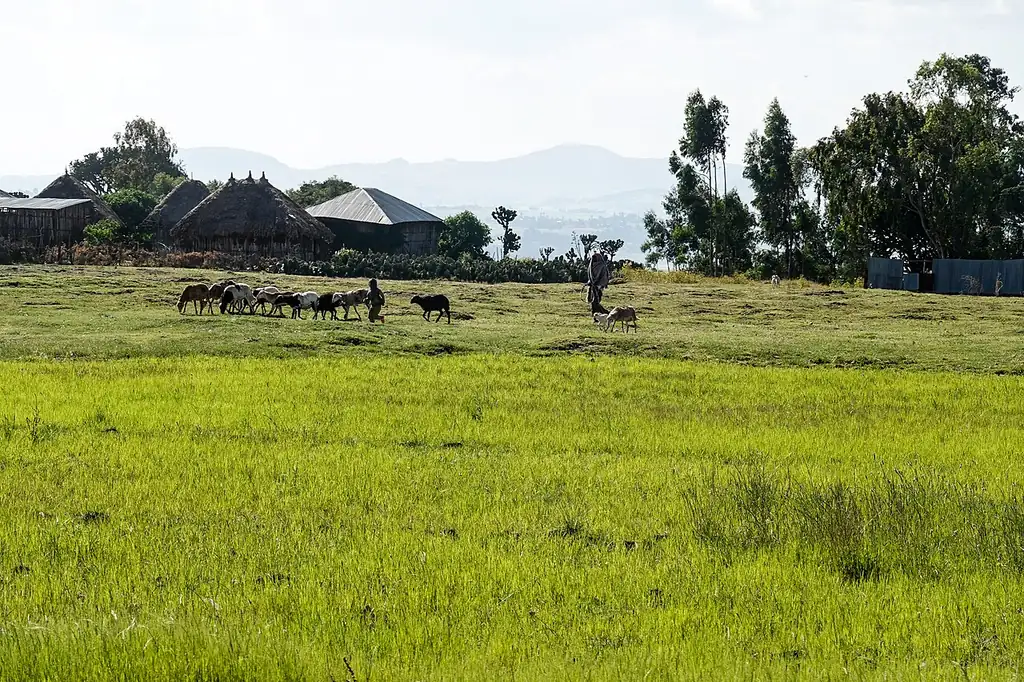
The typical Ethiopian farm is small, about a hectare. The main crops are teff, wheat, maize, sorghum, barley, enset, pulses and oilseeds, with coffee, khat, sesame and flowers grown for export. Fertiliser, irrigation, extension services and mechanisation have all expanded, but yields remain below their potential. In the lowlands, pastoralism supports tens of millions of people among the Afar, Somali, Borena and South Omo communities, and Ethiopia has the largest livestock population in Africa, in cattle, sheep, goats and camels.
- Irrigation. Large schemes include the Awash Valley sugar and cotton farms, Tana Beles and Omo-Kuraz sugar, and a recent push to irrigate wheat in the lowlands to cut imports. Claims of self-sufficiency in wheat are contested by some analysts.
- Coffee. Among the world’s top producers and Africa’s largest. Export revenue has set records recently, helped by higher prices and a reform that allows direct sales. See the culture chapter for the ceremony behind it.
- Cut flowers. The second-largest flower exporter in Africa after Kenya, with farms around Addis Ababa and Bishoftu. Labour conditions and water use are areas of concern.
- Risks. Droughts (2015–16, 2020–23), floods, locusts (2019–21), land degradation, conflict-related displacement, and the price and supply of fertiliser.
 Photo coming soonPhoto coming soon
Industry and manufacturing
Manufacturing is only about 5 to 7 percent of GDP, and growing it has been a central goal. The strategy relies on industrial parks in Hawassa, Bole Lemi, Kombolcha, Dire Dawa, Mekelle and elsewhere, to attract garment and textile, leather, food-processing and pharmaceutical firms. Lower wages than Asian competitors, cheap power and duty-free access to the US (under AGOA) and the EU (Everything But Arms) drew international brands to Hawassa. Ethiopia’s suspension from AGOA in 2022 and the conflict hurt the sector.
Construction and cement are large industries. Mining is small but includes gold, tantalum, potash (in the Danakil), salt, opal and gemstones. And the one national champion everyone knows is Ethiopian Airlines: state-owned, founded in 1945, a member of Star Alliance, and Africa’s largest and most profitable airline, with its hub at Bole airport. A new airport at Bishoftu, at a stated cost of US$10 billion, was announced in 2025.
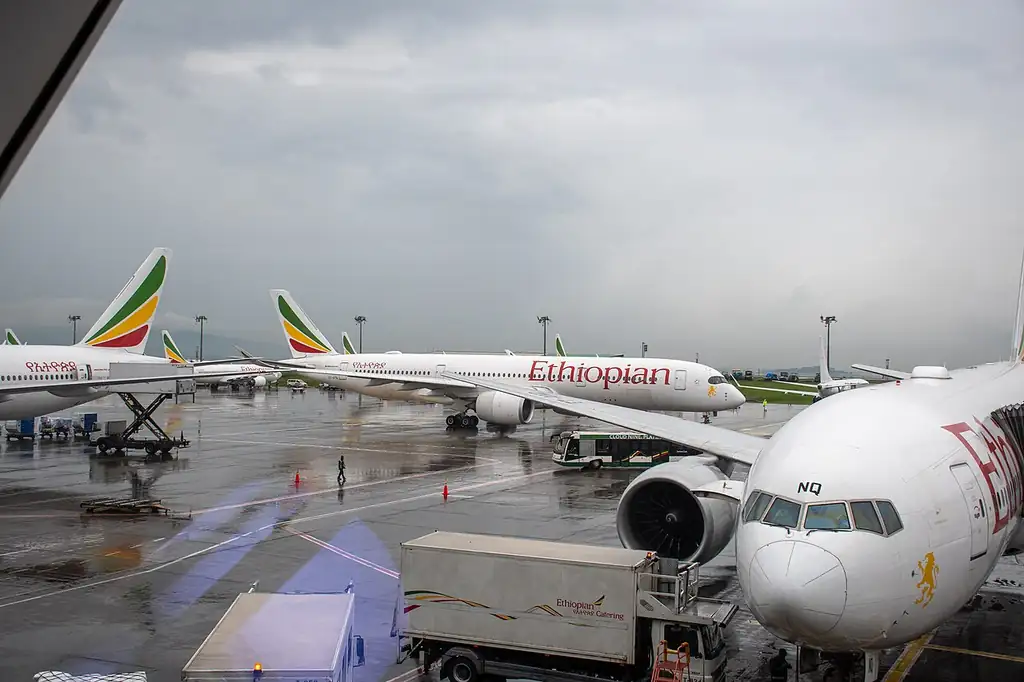 Photo coming soon
Finance, telecoms and technology
The state-owned Commercial Bank of Ethiopia dominates banking, alongside private banks such as Awash, Dashen, Abyssinia, Wegagen, Nib and Zemen. Mobile money (Telebirr and M-Pesa Ethiopia) has spread rapidly. Telecoms are provided by Ethio Telecom and, since 2022, Safaricom Ethiopia. Mobile use is rising, but fewer than a third of people use the internet, held back by cost and by shutdowns.
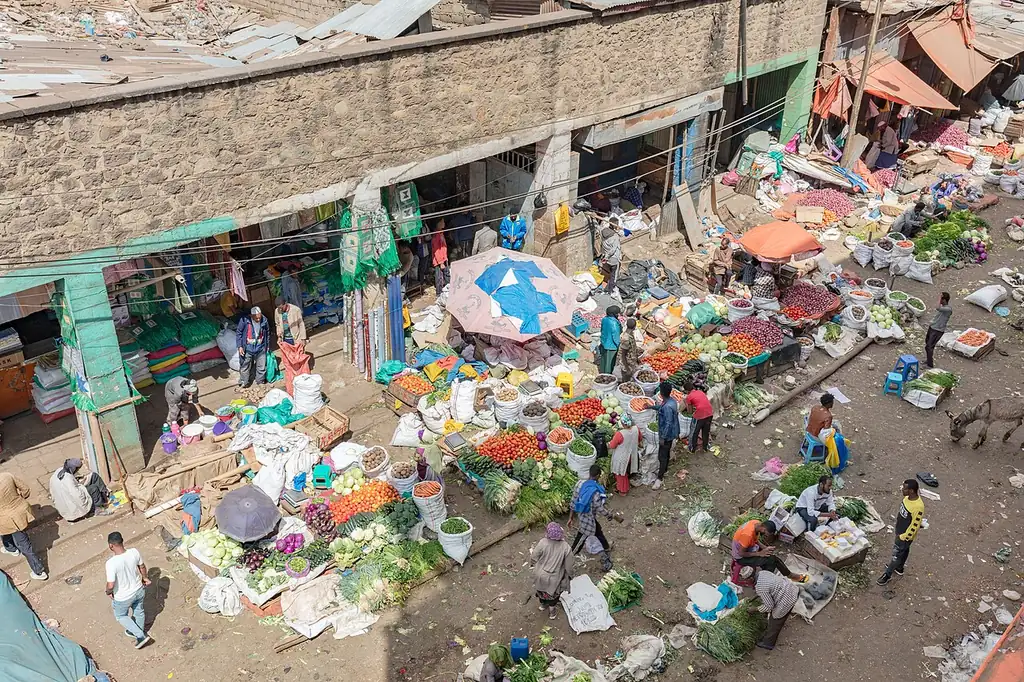
Tourism contributed several percent of GDP before 2019 and has been disrupted by conflict and COVID-19. And beneath all of it runs a large informal economy: street vendors, small workshops, daily labour, and the equb and iddir networks described in the people chapter.
Roads, rails, ports and power
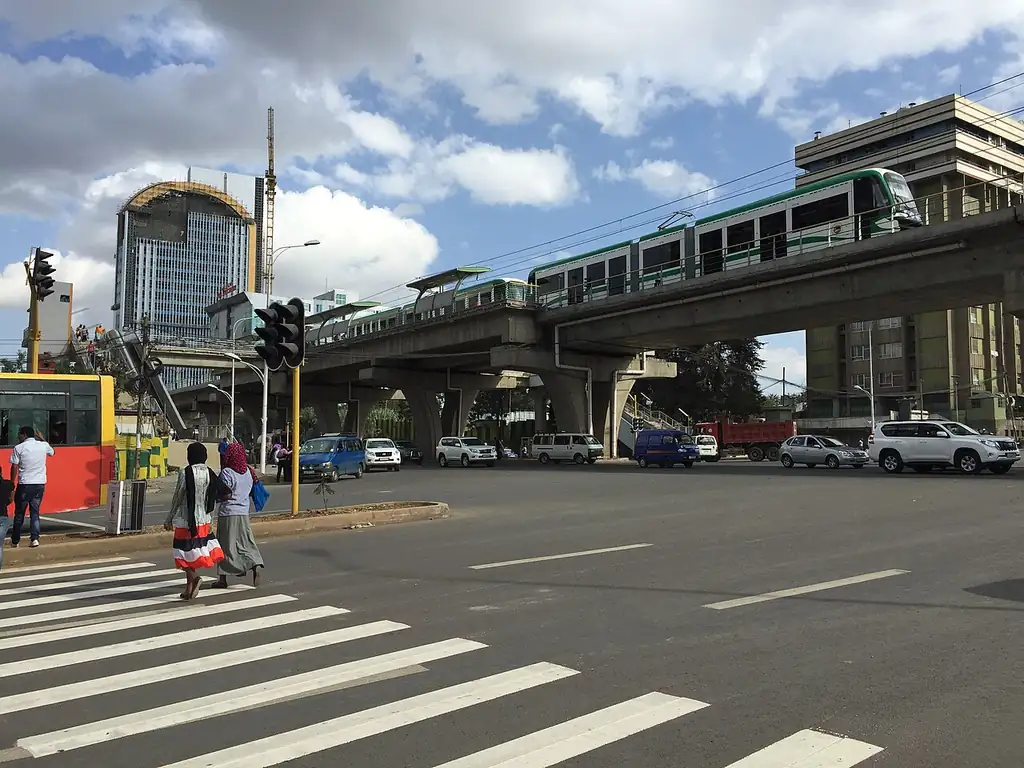
The road network has grown several-fold since 1997, with expressways linking Addis Ababa to Adama (the first, in 2014), Bishoftu and Modjo–Hawassa. The Addis Ababa–Djibouti railway, about 750 km long, electrified and opened in 2016–18, was built by Chinese firms with largely Chinese loans. Addis Ababa also has a light-rail line, opened in 2015. High debt service and operating problems have been reported.
About 90 percent of Ethiopia’s foreign trade passes through Djibouti. Alternatives include Berbera in Somaliland, Port Sudan, Lamu in Kenya (planned) and Assab in Eritrea, which has been closed since 1998.
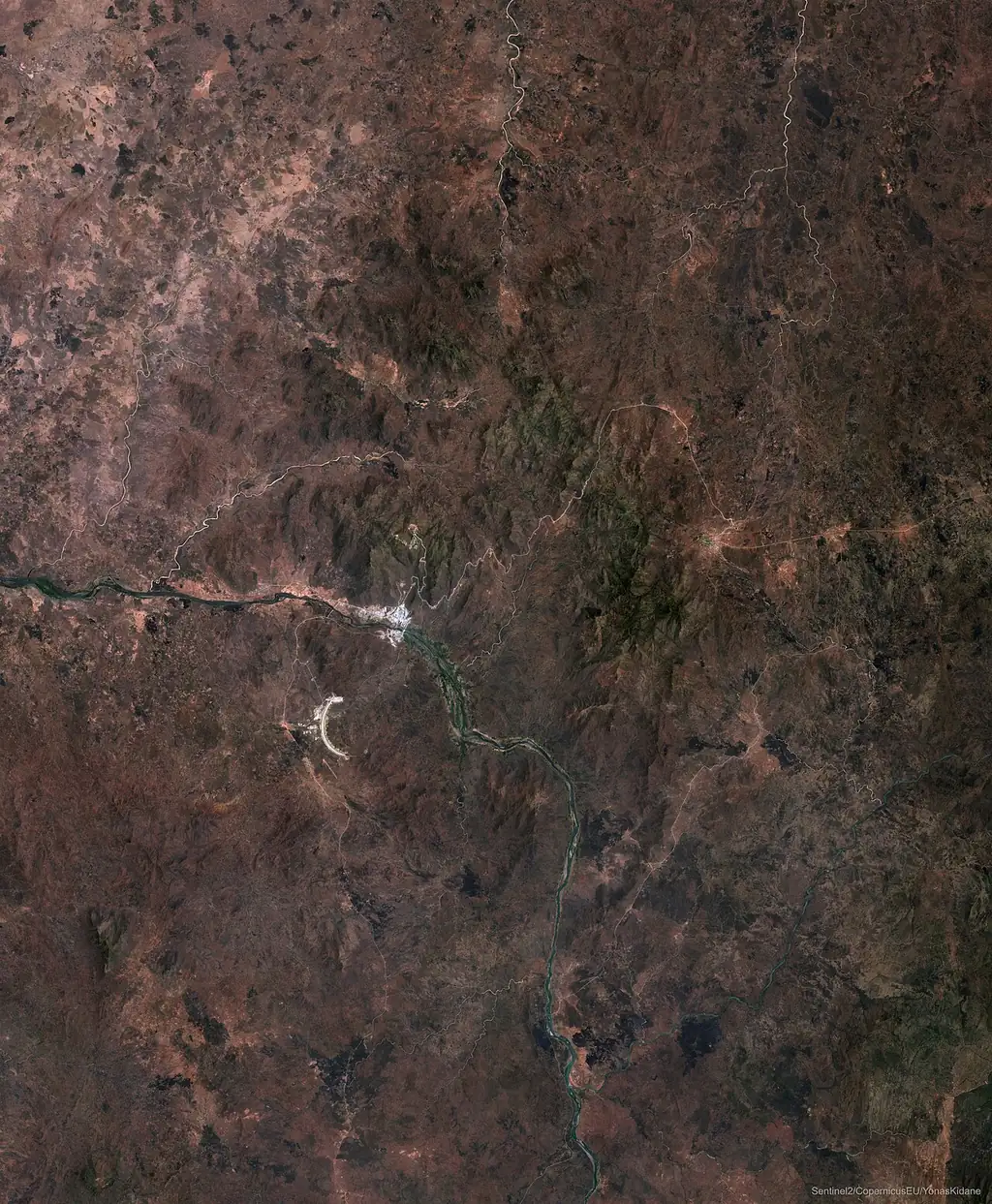
Around 90 percent of electricity comes from hydropower. The Grand Ethiopian Renaissance Dam (GERD), at between about 5,150 and 6,450 MW depending on the stage, is the largest in Africa and was inaugurated in September 2025. Others include Gilgel Gibe III, Tekeze and Tana Beles, and wind and geothermal energy are growing. Electricity is exported to Djibouti, Kenya and Sudan, yet more than 40 percent of Ethiopians still lack grid power, and most households cook with wood and charcoal.
Debt, the birr and the reforms
Public investment surged in the 2010s, financed by domestic borrowing and external loans, above all from China, with others from the World Bank, the African Development Bank, bilateral partners and a Eurobond issued in 2014. External public debt is about US$27–30 billion. Ethiopia defaulted on its Eurobond payments in December 2023 and applied for restructuring under the G20 Common Framework. Official creditors agreed terms in 2024–25 with a committee co-chaired by China and France, while talks with private bondholders continued.
In July 2024 the central bank floated the birr, unifying the official and parallel markets and lifting some controls. The birr fell sharply, from about 57 to more than 120 per US dollar, and further. Supporters say this improved access to dollars and removed distortions; critics point to higher living costs, import-price shocks and a burden on lower-income households. Other reforms include selling some state enterprises, freeing interest rates, cutting fuel subsidies and tax changes.
Poverty, jobs and inequality
There has been real progress. Extreme poverty and child mortality fell significantly between 2000 and 2015, and education and health services expanded. But rapid population growth, youth unemployment, conflict losses (especially in Tigray and Amhara), inflation, climate shocks, a thin private sector and regional inequality all weigh heavily. The rising cost of living is the most common complaint in the cities. Safety nets such as the Productive Safety Net Programme and its urban version, school feeding and large humanitarian programmes support millions, though aid flows have fluctuated.
Strengths for business
A very large domestic market, a young workforce, abundant hydropower, a central geographic position and Ethiopian Airlines’ connections.
Barriers for business
Scarce foreign exchange, land and procurement rules, uneven regulation, limited local-currency finance, power and logistics bottlenecks, and conflict risk.
Foreign investors
Ownership restrictions have been loosened in sectors such as banking, retail and trade, but land is leasehold. Check the Ethiopian Investment Commission for current rules.
All chapters
- 01 · Country at a glance
- 02 · History & civilization
- 03 · People & society
- 04 · Religion & belief
- 05 · Culture & everyday life
- 06 · Government & institutions
- 07 · Economy & development
- 08 · Natural environment
- 09 · Travel & tourism
- 10 · Practical living guide
- 11 · Ethiopia in the world
- 12 · Knowledge & reference